The Truth No One Talks About
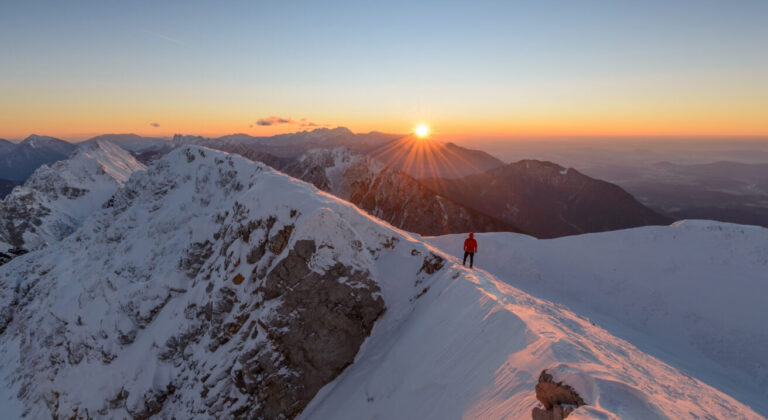
Here’s what the summit photos don’t show you: the hard part hasn’t started yet.
You’re standing on top. The views are stunning. Your legs are tired but you’re elated. You’ve done it. Summit achieved. And then comes the question that separates experienced mountaineers from beginners.
How are you getting down?
Because here’s the truth that took me years to fully understand: reaching the summit is optional. Getting back down is mandatory.
In over 25 years of mountaineering, from Ireland’s seven greatest ranges to the highest peaks on earth, I’ve learned that the descent is where everything matters most. It’s where accidents happen. Where mistakes compound. Where exhaustion meets exposure and demands perfect judgment from a tired mind.
And it’s where the real wisdom lives.
Why Descent is More Dangerous Than Ascent
The statistics are clear. Most mountaineering accidents happen on the way down.
Not because descending is technically harder. But because of what happens to us psychologically once we’ve reached the top.
On the ascent, you’re focused. Alert. Your goal is visible ahead of you. Every step takes you closer to something you want. Your mind is sharp because you’re still chasing achievement.
On the descent, everything shifts.
The goal is behind you. The achievement is done. Your body is more fatigued than it was going up. Your knees and ankles are taking more impact with every downward step. And most dangerously, your mind starts to relax. You start thinking about the car park, the warm meal, the comfortable bed.
You stop being present with the mountain.
This is when people slip. This is when ankles get turned. This is when tired legs miss a foothold and tired minds make poor route choices. This is when the mountain reminds you that it doesn’t care about your summit photo. It cares whether you respect the entire journey, including the part that doesn’t feel like progress.
The Descent Mindset: Three Principles
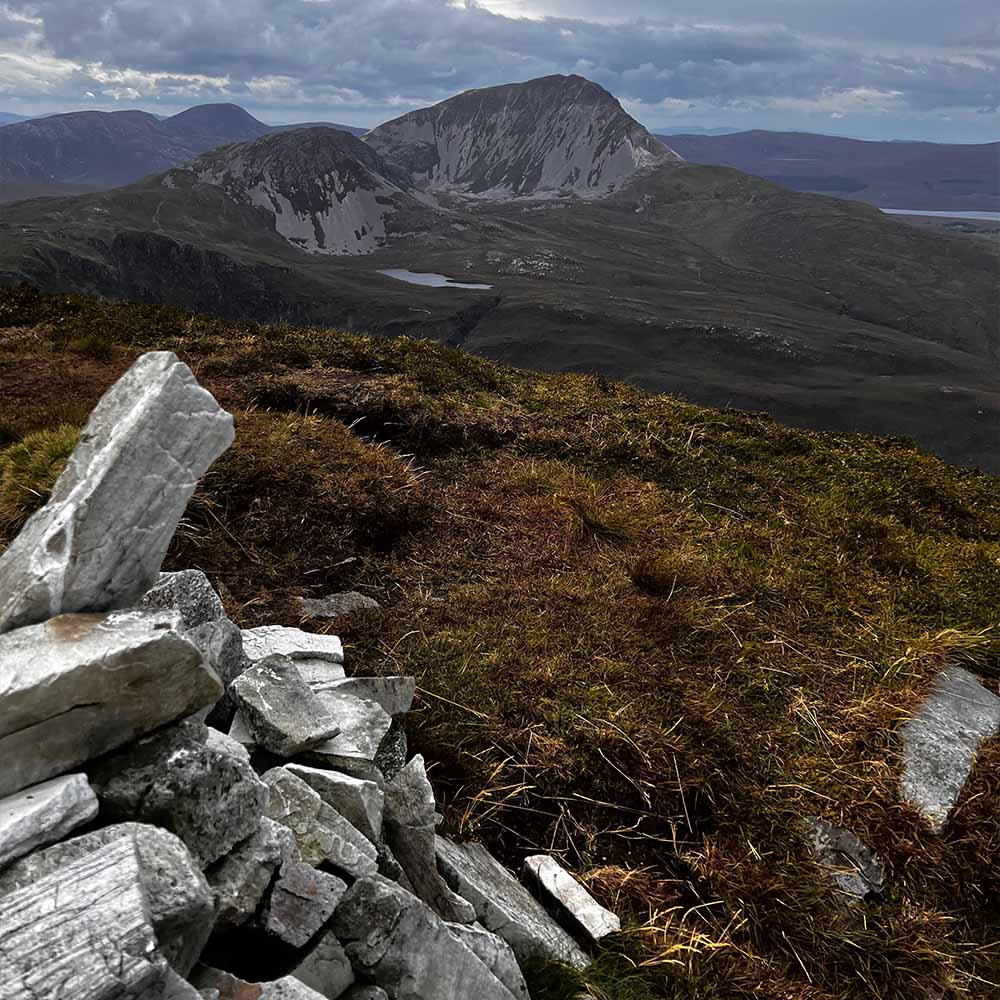
Over the years, I’ve developed three principles that guide every descent I make. Whether it’s coming down from Carrauntoohil after an 8 hour push in the MacGillycuddy Reeks, or descending from altitude in more extreme conditions, these principles apply.
1. The Summit is the Midpoint, Not the Finish Line
This is the hardest mental shift to make.
We celebrate summits. We take photos on summits. We mark summits as achievements on our lists. But treating the summit as the finish line is what gets people hurt.
The actual finish line is back at the car park. Or the basecamp. Or wherever you started that morning. The summit is just the turnaround point. You’re only halfway done.
This changes everything about how you manage your energy, your focus, and your decision making. If you arrive at the summit with nothing left in the tank, you’ve miscalculated. Because you still have an entire mountain to get down.
On the Ireland 7 Summits routes, this principle is critical. Take the Mourne Mountains, for instance. 13 to 20 kilometers depending on your pace group, 7 hours of hiking. The summit views are spectacular. But you’re still hours from being safe. The terrain on the way down demands the same attention you gave it on the way up.
2. Slow Down When You Want to Speed Up
Fatigue makes you want to hurry.
Your legs are tired. Your shoulders ache from carrying your pack. You can see the car park in the distance. Your mind says “let’s just get this over with quickly.”
This is exactly when you need to slow down.
Every descent I’ve seen go wrong involved someone moving too fast. Tired legs moving at rushed speed over uneven ground. It’s a formula for injury.
The descent demands patience. Deliberate foot placement. Checking your route. Taking breaks even when you feel like you should just push through. This isn’t about being slow. It’s about being controlled.
I’ve come down from Seven Sisters in Donegal, that spectacular ridge line in the Derryveagh Mountains, and watched people rushing the descent because they were exhausted. And I’ve watched those same people stumble, slip, turn ankles. The mountain doesn’t reward speed. It rewards attention.
3. Check Your Ego at the Summit
The ego wants to stay at the summit.
It wants to linger in the achievement. It wants to believe that because you made it up, you’ve somehow proven something that makes the descent automatic. It resists the idea that you now have to engage fully with the less glamorous work of getting back down safely.
This is dangerous thinking.
The descent requires humility. It requires admitting that you’re tired. That your judgment might be impaired. That you need to double check your route even though you came up this way and think you remember it. That you might need to take a break even though you feel like you should be tough enough to push through.
Ego kills people in the mountains. Humility keeps them alive.
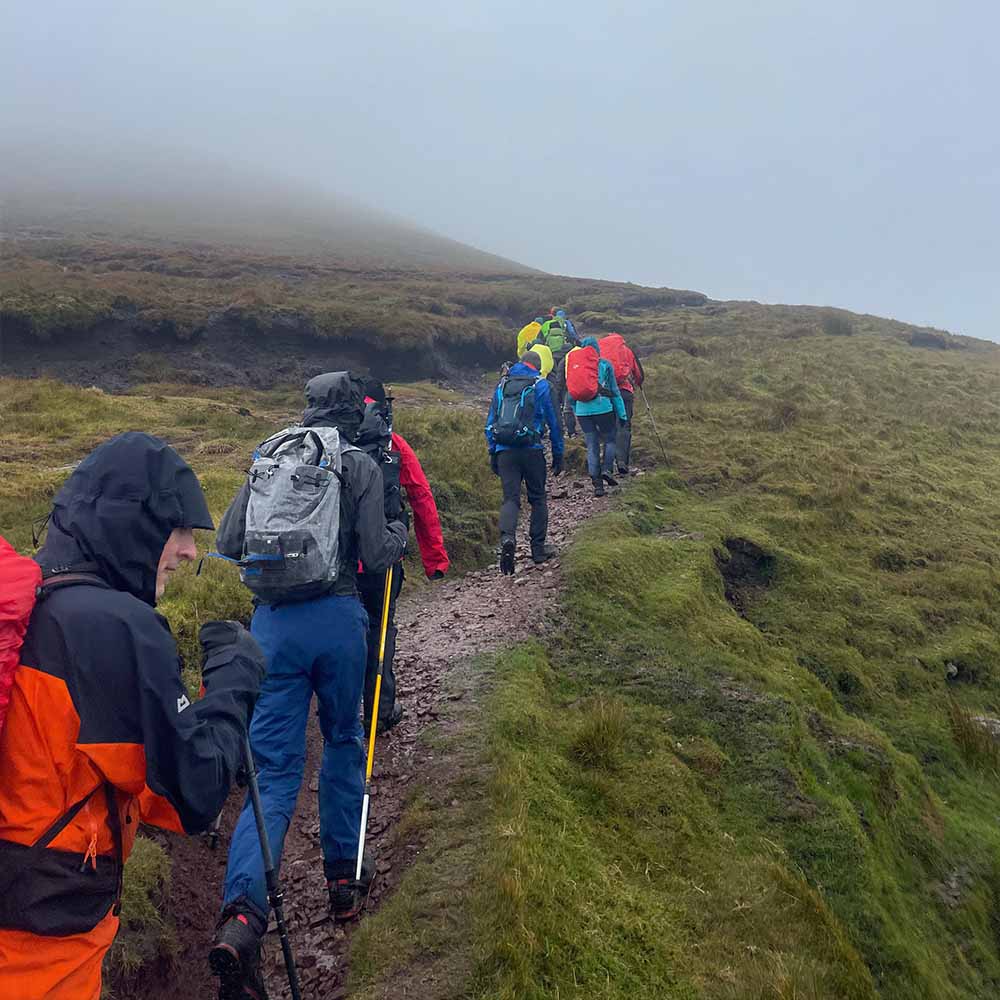
What Descent Teaches Us About Life
The parallels between mountaineering descent and life success are impossible to ignore.
We live in a culture that celebrates the summit. The achievement. The big win. The moment of arrival. We’re trained to think of success as reaching the top of something. Getting the promotion. Building the company. Achieving the goal.
But what happens after you get there?
The Business That Summited Too Fast
I’ve watched businesses grow rapidly, reach the top of their market, and then collapse on the descent. Not because they didn’t know how to grow. But because they didn’t know how to sustain.
They treated the summit as the finish line. They celebrated too early. They relaxed their focus. They stopped doing the unglamorous work that got them there in the first place. And the descent destroyed them.
Sustainable success isn’t about reaching the peak. It’s about having the discipline, the systems, and the humility to manage what comes after.
The Athlete Who Couldn’t Come Down
I know athletes who reached the top of their sport and had no plan for what came next. The identity was so tied to the ascent, to the achieving, to the climbing, that when the peak was reached, they didn’t know how to descend with grace.
Some tried to stay at the summit too long. Pushing beyond when their bodies said stop. Others descended too quickly, rushing into retirement or new ventures without the same patience and preparation they’d used on the way up.
The descent requires a different skill set. And very few people train for it.
The Leader Who Forgot the Team
I’ve seen leaders reach positions of authority and forget that leadership is about bringing people with you. Not just up. But back down safely.
A good leader on a mountain doesn’t summit and then race ahead down the trail. A good leader ensures everyone gets back safely. They adjust pace to the slowest person. They check in. They make sure no one is left behind or pushed beyond their capability.
The same applies in business, in families, in any situation where you’re responsible for others. The descent is where you prove whether you were just chasing personal glory or whether you genuinely care about the whole team making it through safely.
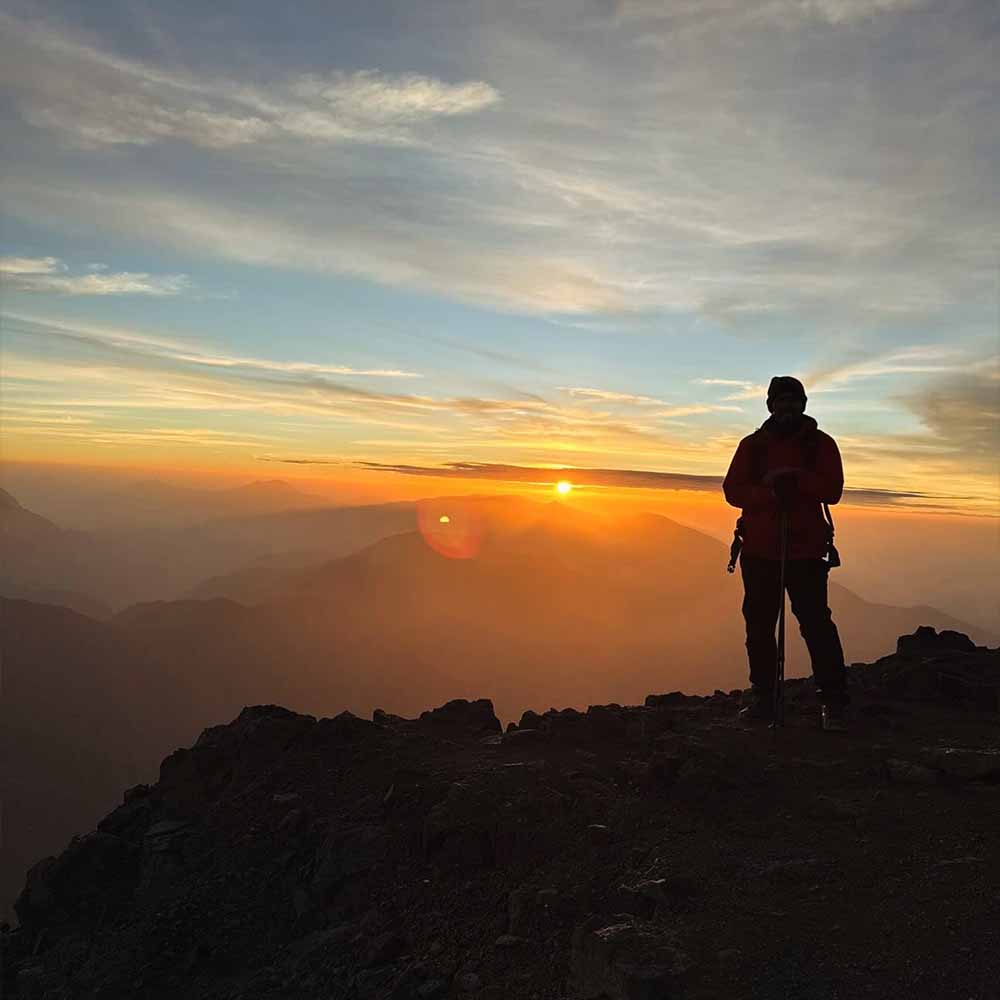
The Irish Mountains as Training Ground
The Ireland 7 Summits series covers seven of the greatest mountain ranges in this country. MacGillycuddy Reeks. Mourne Mountains. Twelve Bens. Ox Mountains and Nephin. Galtees. Comeraghs. Seven Sisters Donegal.
These aren’t beginner hills. They’re proper mountains that demand respect.
What makes them valuable isn’t just the physical challenge. It’s that they teach the full cycle. The ascent. The summit. And the descent. Over and over across seven different ranges, seven different terrains, from March through September.
You learn that Carrauntoohil in Kerry demands different descent strategies than Slieve Donard in the Mournes. That the granite peaks of Donegal require different attention than the sandstone of the Galtees. That weather conditions change everything about how you approach getting down safely.
And you learn the bigger lesson: that every summit is just a midpoint. That the real measure of success is whether you finish what you started. That getting back to where you began, safely and with your team intact, is what actually matters.
Practical Descent Wisdom: What Actually Works
Let me give you the practical reality of what good descent looks like.
Energy Management
You should arrive at the summit with 60% of your energy remaining. Not 100%. Not 30%. Somewhere around 60%.
This means pacing yourself on the ascent. Not burning everything to reach the top fast. Eating and drinking consistently throughout the climb. Taking breaks even when you feel strong.
Because that 60% needs to get you all the way down. And the descent will take more from you than you expect.
Route Awareness
Going up, you’re facing the mountain. Going down, you’re facing away from it. Everything looks different.
Mark the route in your mind on the way up. Note distinctive features. Take photos at key junctions. Don’t assume you’ll remember where to turn.
And when in doubt on the descent, stop. Reorient. Check the map. Don’t keep moving when you’re uncertain about the route.
Group Management
If you’re leading others, the descent is where leadership matters most.
Count heads regularly. Check in with people’s energy levels. Watch for signs of fatigue, pain, or mental drift. Adjust pace to the group, not to the strongest person.
And never, ever leave someone behind because they’re slowing you down. The descent is where groups stay together or where accidents happen to people who fell behind.
Physical Technique
Bent knees. Controlled steps. Use your whole foot, not just your toes. Keep your center of gravity slightly back but not leaning. Let your legs do the work, not your lower back.
Take smaller steps than you think you need. This reduces impact on your joints and gives you more control if you start to slip.
Use poles if you have them. They take load off your knees and provide extra points of contact with the ground.
Mental Discipline
Stay present. Don’t drift off into thinking about what comes after. Don’t start the mental celebration while you’re still on the mountain.
Each step on the descent deserves the same attention you gave each step on the ascent. The mountain hasn’t changed just because you reached the top of it.

When to Turn Around Before the Summit
Sometimes the wisest descent decision is made before you ever reach the summit.
Knowing when to turn back is one of the hardest skills to develop. Because it requires overriding everything your ego wants. It requires accepting that you’ve put in all this effort, come all this way, and you’re choosing not to finish.
But there are clear signals that turning around is the right call.
Weather Deteriorating
If conditions are worsening and you’re not yet at the summit, consider whether you’ll be able to descend safely in those conditions after spending more energy reaching the top.
In Ireland’s mountains, weather changes fast. What starts as clear conditions can become low cloud, high wind, and poor visibility in under an hour. The Twelve Bens, the Comeraghs, the Ox Mountains, all of them can hide in cloud and make descent navigation dangerous.
Time Running Short
If you’re moving slower than planned and it’s becoming clear you won’t summit with enough daylight left for a safe descent, turn around.
Descending in darkness multiplies every risk. Unless you’re equipped and experienced with night navigation, the summit isn’t worth it.
Team Member Struggling
If someone in your group is hurting, exhausted, or showing signs they won’t make it down safely after pushing to the summit, the group turns around.
No summit is worth leaving someone compromised at the top of a mountain.
Your Own Energy
If you’re honest with yourself and you know you’re at 70% or 80% of your capacity and you’re not yet at the summit, do the math. Will you have enough left to get down safely after reaching the top?
If the answer is uncertain, turn around. The mountain will be there another day.
The Long View: Sustainable Mountain Practice
The Ireland 7 Summits isn’t designed to be rushed.
You can book single climbs and build up over multiple years. Or you can commit to all seven in a single season, March through September, giving yourself time between each range to recover and prepare for the next.
This pacing is intentional. Because sustainable mountain practice isn’t about crushing yourself across seven summits in seven days. It’s about developing a relationship with these ranges that respects your body’s need for recovery and the mountains’ demand for proper preparation.
Each climb builds on the last. MacGillycuddy Reeks in March teaches you lessons you carry into the Mournes in April. The Twelve Bens in May shows you terrain that prepares you for Nephin in June. By the time you reach Seven Sisters in September, you’re not the same hiker who started in Kerry.
You’ve learned pacing. Energy management. Route finding. Weather reading. Group dynamics. And most importantly, you’ve learned that finishing all seven summits safely matters more than finishing any single one quickly.
This is the long view. The sustainable approach. The wisdom of knowing that mountaineering is a practice you develop over years, not a box you check in a weekend.
What Your Successful Descent Looks Like
You know you’ve descended well when you arrive back at the start point and you could, if needed, do it again tomorrow.
Not that you want to. But you could.
You’re tired but not destroyed. You’re satisfied but not depleted. You managed your energy well enough that you have some reserve left. You made good decisions throughout. You stayed present and attentive even when fatigue was setting in.
And most importantly, everyone who started with you finished with you.
That’s a successful descent.
It doesn’t make for dramatic stories. It doesn’t involve near misses or heroic pushes through adversity. It’s just solid, competent mountaineering executed with discipline and humility.
And it’s what allows you to come back and climb again. To build a sustainable practice. To develop real skill over time rather than burning out in a blaze of summit chasing glory.
The Wisdom You Carry Down
The mountain teaches on the way up. But it tests on the way down.
And the lessons you learn on the descent are the ones that matter most. In the mountains and in life.
That achieving the goal is just the beginning of managing the achievement. That sustainable success requires as much discipline coming down as climbing up. That ego will always push you toward risk and humility will always pull you toward wisdom. That the people you’re responsible for matter more than the summit you’re chasing.
These aren’t lessons you learn once. They’re lessons you practice every time you turn around from a summit and begin the long journey back to where you started.
Across Ireland’s seven greatest ranges, the summits are spectacular. But the wisdom lives in the descents.