

The Ultimate Himalayan Adventure
Everest Basecamp
Overview
With expert guides leading the way, acclimatization stops, and all logistics handled, this trek offers a perfect balance of adventure, cultural immersion, and high-altitude achievement. Experience the magic of Everest, where every step brings you closer to the top of the world.
Everest Basecamp
Trips
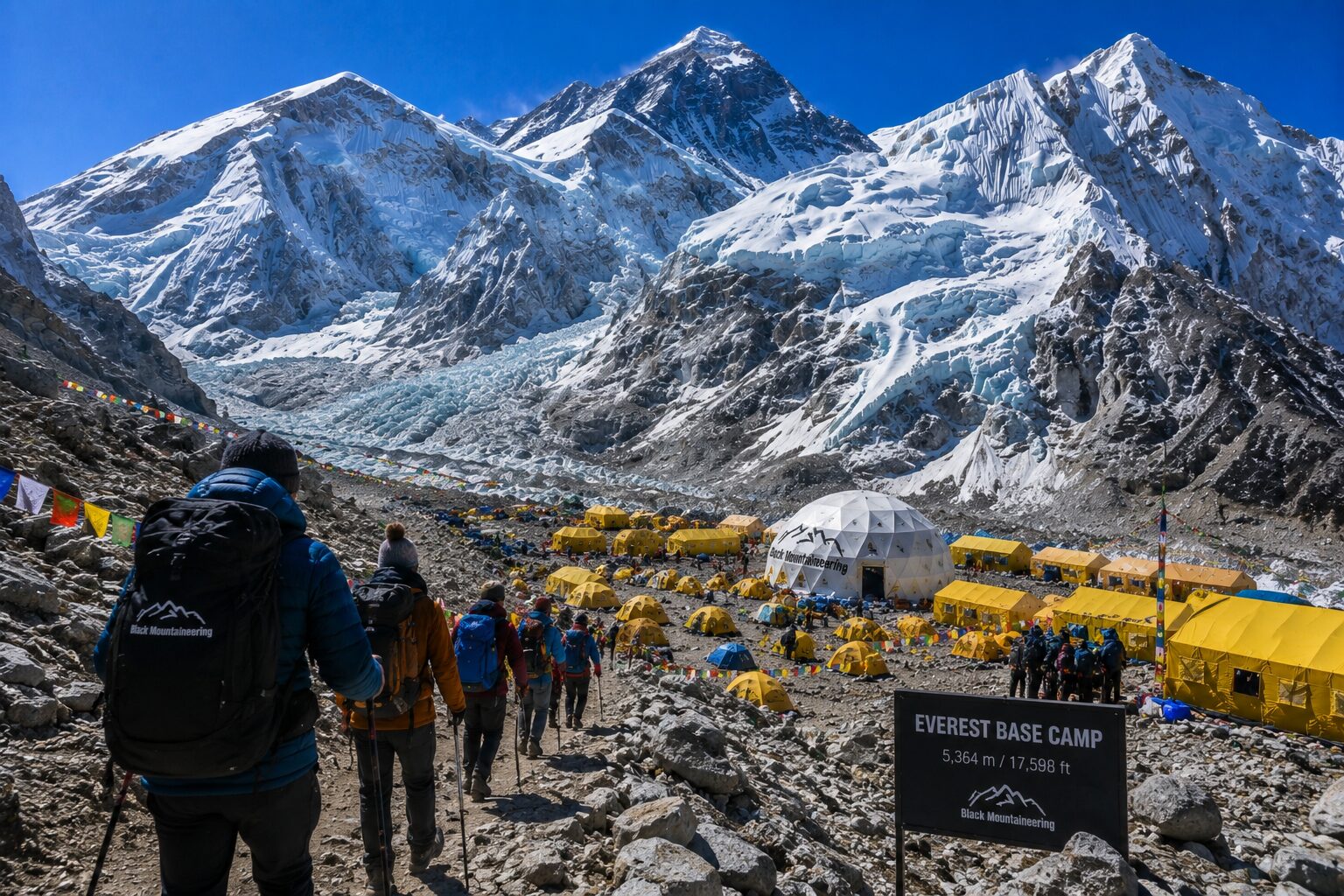
Everest Base Camp
SPEND A NIGHT AT EVEREST BASE CAMP An experience few trekkers will ever enjoy.
Price €2999
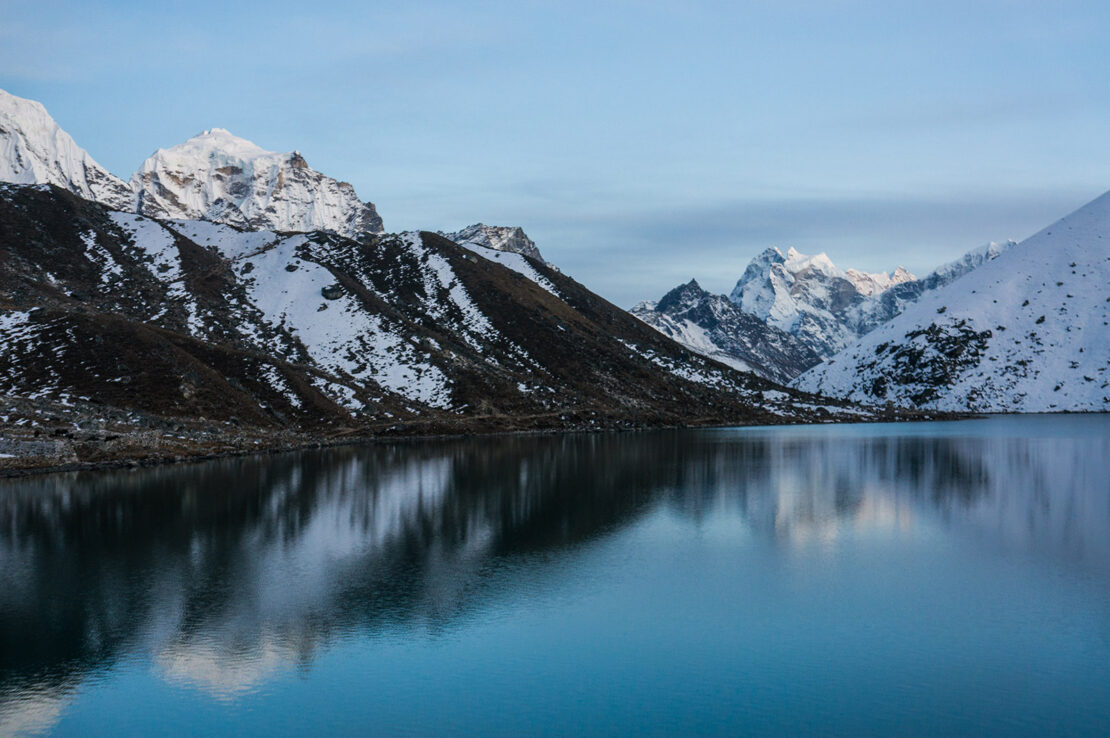
Everest Base Camp (Gokyo Lakes Trek)
Discover Majestic Peaks, Pristine Lakes, and Rich Sherpa Culture
Price €3499
Itineraries
Practical Info
Frequently asked questions
The following frequently asked questions may help answer any queries you have about Jason Black Mountaineering, what this expedition involves, and what is required. If your question isn’t answered here please check our dedicated Expert Advice page, otherwise don’t hesitate to get in touch.
📌 Physical Requirements for Kilimanjaro
1. Endurance & Cardiovascular Fitness
– You’ll be trekking for 5–9 days, covering 5–15 km per day.
– Summit day is 12–16 hours round trip, with a 1,200m ascent and 2,000m descent.
– Oxygen levels at the summit are roughly 50% of sea level, so a strong cardio base is crucial.
✅ Training Recommendations:
– Hike 12–18 km (7–11 miles) with a 10 kg pack at least once a week.
– Stair climbing (30–45 min with a 5–10 kg pack).
– Running, cycling, or swimming (3–4 times a week, 30–60 min per session).
2. Strength & Load-Carrying Ability
– Expect daily ascents of 600–1,200m, so strong legs and endurance are key.
– Most climbers carry a 5–10 kg daypack, but porters carry the bulk of the gear.
– The final push to Uhuru Peak is steep and exhausting, requiring leg and core strength.
✅ Training Recommendations:
– Squats, lunges, deadlifts (for leg power).
– Step-ups (40–50 cm box) with a weighted pack.
– Planks & core exercises (for stability on uneven terrain).
3. High-Altitude Acclimatisation
– Kilimanjaro is a rapid ascent trek, increasing altitude sickness risk.
– The best way to avoid Acute Mountain Sickness (AMS) is proper acclimatisation and a slow ascent.
– Hydration, good nutrition, and slow steady pacing help significantly.
4. Mental Toughness
– Expect fatigue, cold, and discomfort—especially on summit night.
– The final climb to Uhuru Peak is done in the dark, freezing temperatures, and high winds.
– Mental grit and a strong mindset are key to pushing through exhaustion.
✅ Mental Training:
– Train in cold weather and rough conditions to simulate discomfort.
– Push through exhaustion with back-to-back training hikes.
– Practice long hikes starting at 3 AM to simulate summit night conditions.
📍 Minimum Fitness Benchmarks for Kilimanjaro
You should be able to:
✅ Hike 1,000m+ elevation gain with a 10 kg pack (6–8 hrs).
✅ Run 10 km in under 60 minutes (for cardio endurance).
✅ Climb stairs for 45 min with a 5–10 kg pack.
✅ Walk/hike for 6–8 hours multiple days in a row.
⛏ Who Should NOT Attempt Kilimanjaro?
🚫 If you have never done multi-day trekking or long hikes.
🚫 If you cannot walk uphill for 6–8 hours at a time.
🚫 If you have no altitude experience and pick a short route (shorter than 6 days).
🚫 If you struggle with cold weather and altitude sickness.
Final Thoughts
Kilimanjaro is an attainable but physically demanding trek. The key to success is endurance, slow pacing, and proper acclimatisation.
Would you like a customised training plan for Kilimanjaro? Let me know your current fitness level, and I’ll tailor one for you! 🚀
Travel Documents
- Passport 6mts Valid
- Debit/Credit Cards
- Insurance Papers
- Photocopy of passport
Travel Documents
- Passport 6mts Valid
- Debit/Credit Cards
- Insurance Papers
- Photocopy of passport
Travel Documents
- Passport 6mts Valid
- Debit/Credit Cards
- Insurance Papers
- Photocopy of passport
Base Layers
- Merino Wool Underwear (2 pcs)
- Merino long sleeve base layer (1 pcs)
- Merino long pants base layer (1 pcs)
- Merino Short Sleeve T Shirt (2 pcs)
Base Layers
- Merino Wool Underwear (2 pcs)
- Merino long sleeve base layer (1 pcs)
- Merino long pants base layer (1 pcs)
- Merino Short Sleeve T Shirt (2 pcs)
Base Layers
- Merino Wool Underwear (2 pcs)
- Merino long sleeve base layer (1 pcs)
- Merino long pants base layer (1 pcs)
- Merino Short Sleeve T Shirt (2 pcs)
You may pay your deposit and balance using any lawful means. If sending money by electronic bank transfer then you will be responsible for covering the cost of the fees associated with the transfer, so that the company receives the full amount shown on your invoice, in the denomination shown on your invoice.
See more about our payment policy Here
On Booking your expedition our returns policy can be viewed here