The Morning Everything Changed
There are moments on a mountain that stop time completely.
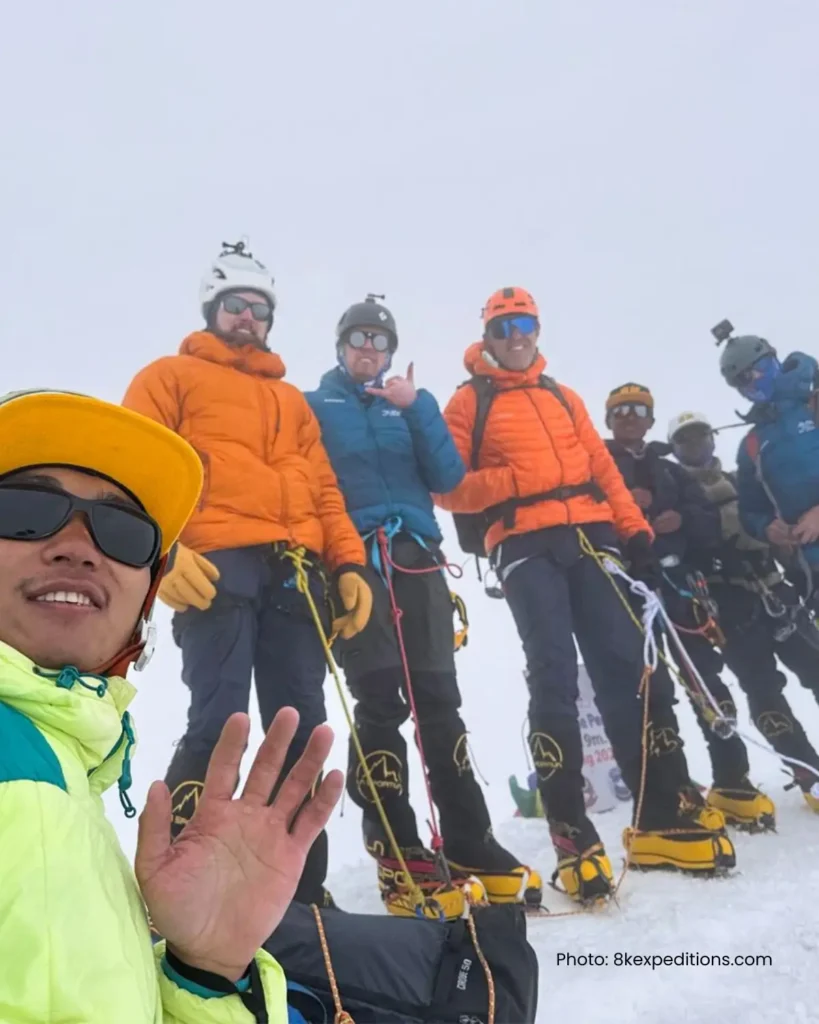
20th May 2026. 8,849 metres above sea level. The Himalayan sky is a deep, impossible blue. The wind that has tested us for 47 days has, for this brief window, decided to ease. And standing on the highest point on Earth are six people who earned every single metre of what they are looking at right now.
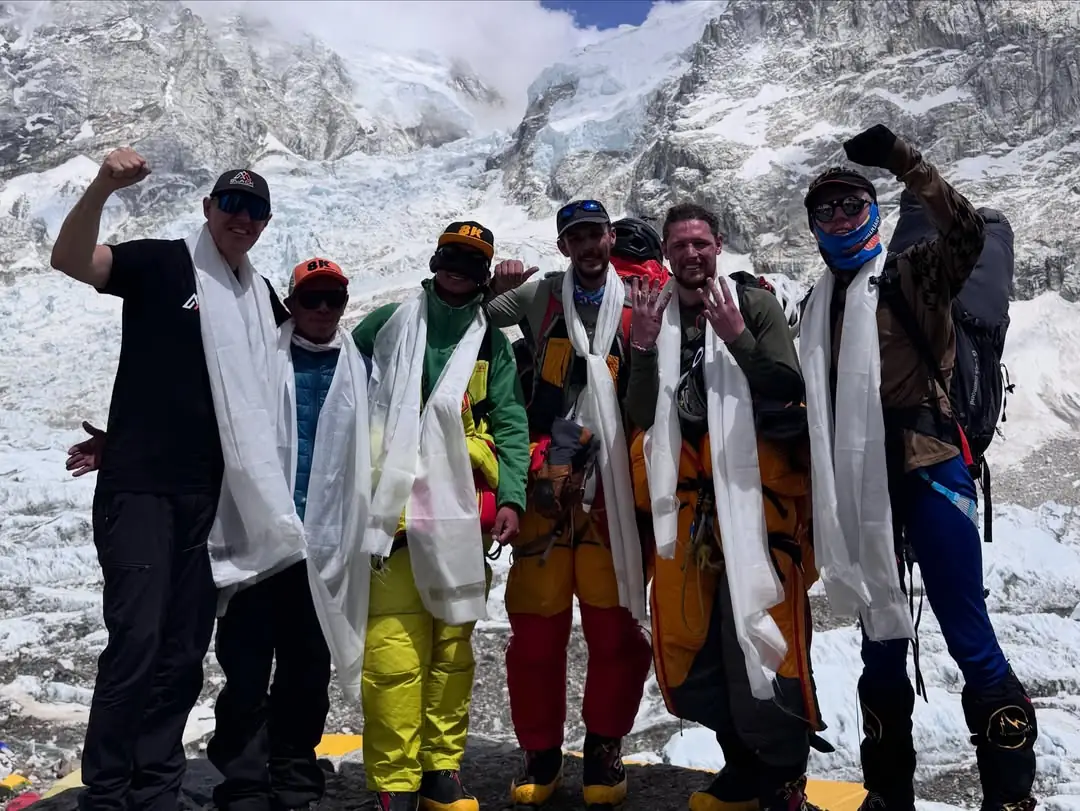
Éanna McGowan. Adam Sweeney. Padraig O’Hora. Milan Sherpa. Temba Sherpa. Nang Tenji Sherpa.
Team Ireland is on the summit of the world.
This is not a headline I ever take lightly. I have stood on Everest before. I have stood on K2. I know what it costs to get here, what it demands from a body, a mind, a team. And I know that what happened on that ridge on the 20th of May 2026 belongs to Irish mountaineering history in a way that will be talked about for a long time.
This is the first full Irish team to stand together on the summit of Everest in more than 20 years. It is the first Irish team since Jenny Copeland, Seamus Lawless, and Noel Hanna summited on 16th May 2019. And in achieving it, 22-year-old Adam Sweeney from Dunmore East, Waterford, became the youngest Irish person ever to stand on the highest point on Earth.
What a day to be Irish. ☘️
The Team That Made History
Every expedition is built on the people who show up for it. Not just physically. Fully. And this team showed up in every sense of the word.
Eanna McGowan from County Dublin. His first 8,000m expedition. The 16th person from Dublin to summit Everest. Quiet, focused, and relentlessly prepared. Éanna never once doubted the process, even when the mountain gave us reason to.
(Instagram Profile: eannaseverestjourney)
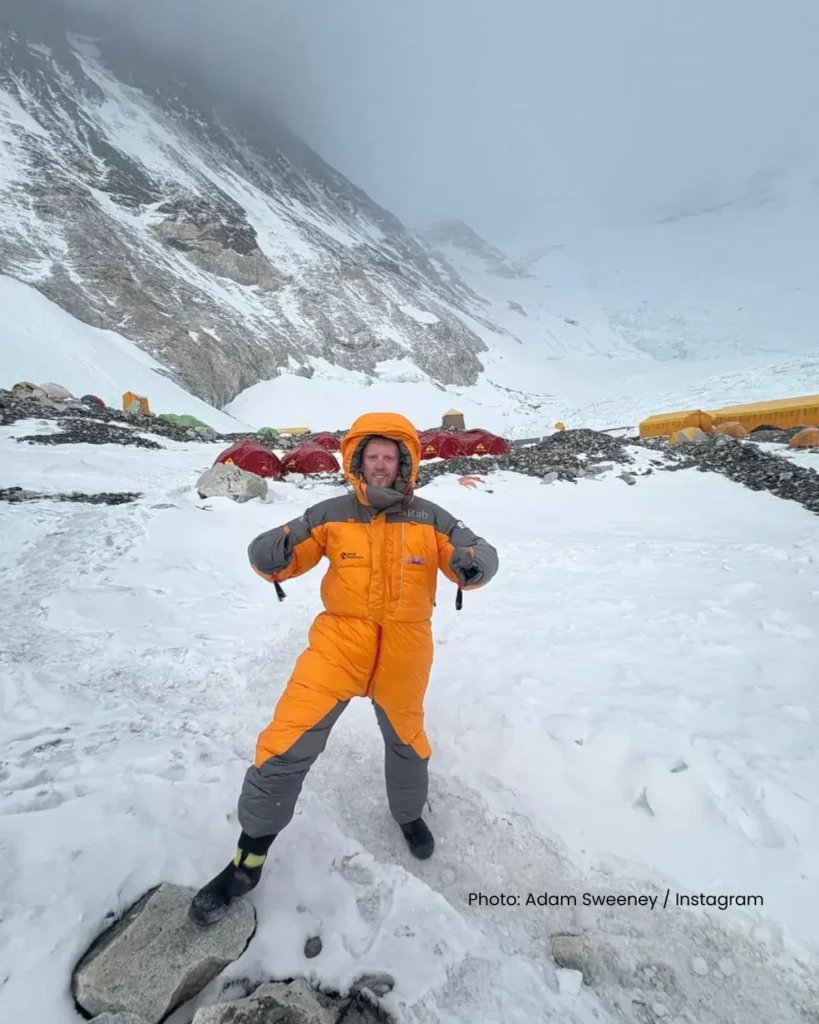
Adam Sweeney from Dunmore East, Waterford. Twenty-two years old. His first 8,000m expedition. Now the youngest Irish person in history to stand on the summit of Everest. What Adam demonstrated on this mountain was not just physical capability. It was the kind of mental composure that takes most climbers a decade to develop. He has an extraordinary future ahead of him.
(Instagram Profile: adamtsweeney)
Padraig O’Hora from Ballina, County Mayo. His first 8,000m expedition. The second person from Mayo ever to summit Everest. Padraig brought something to this team that is difficult to put into words. A steadiness. A depth of character that the mountain tests for and that he passed every single time.
(Instagram Profile: padraigohora_1993)
And then there are the three people without whom none of this is possible.
Milan Sherpa. Temba Sherpa. Nang Tenji Sherpa.
The Sherpa community of the Khumbu are not support staff. They are partners, experts, and the backbone of every expedition that has ever succeeded on this mountain. This summit belongs to them equally, and I want that stated clearly and without qualification.
47 Days on the World’s Highest Mountain
People often ask what it actually takes to summit Everest. The honest answer is more than most people are prepared to hear.
Forty-seven days on the mountain. That is not forty-seven days of climbing. It is forty-seven days of patience, discomfort, calculated risk, and the constant management of a body working at the absolute limits of human physiology.
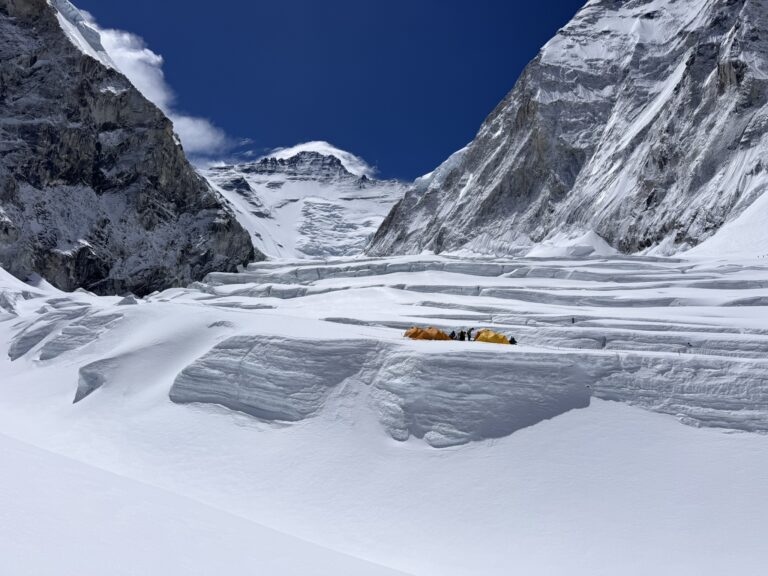
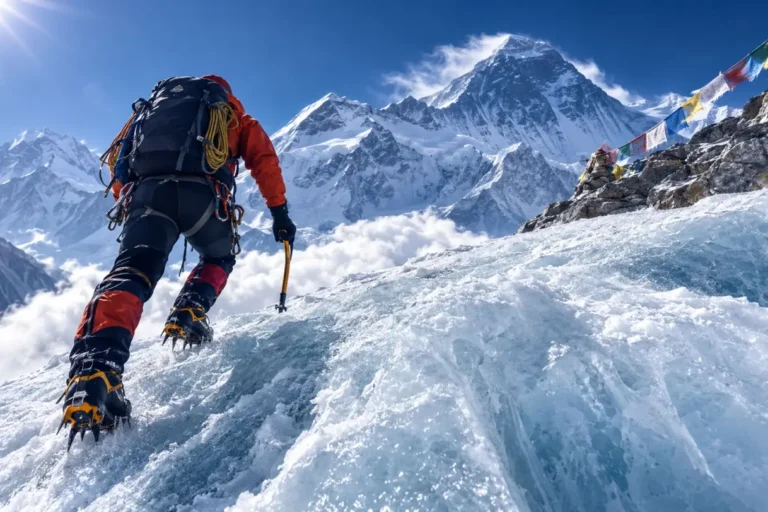
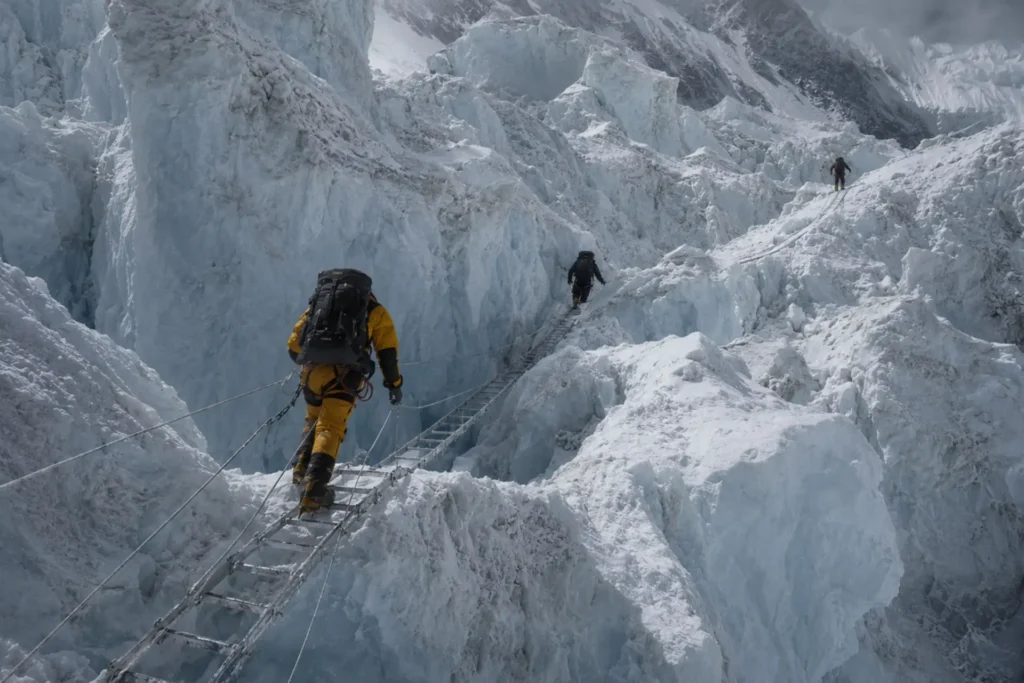
The route takes you through the Khumbu Icefall, one of the most technically dangerous sections of any 8,000m peak on Earth. The ice shifts. It groans. Seracs the size of buildings can move without warning. You move through it early, before the sun weakens the structure, and you move with purpose.
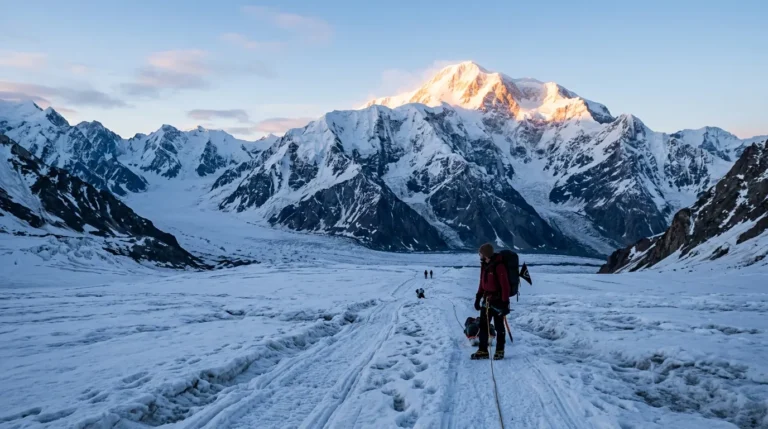
Above the icefall, the Western Cwm opens into a broad glacial valley that looks almost peaceful in the right light. Almost. At this altitude, the cold and the sun work against you simultaneously. UV radiation at this elevation is severe. Temperatures drop sharply the moment the sun moves.
Camp 2 at 6,400m. Camp 3 on the Lhotse Face at 7,200m. Camp 4 in the Death Zone at 7,900m. Above 8,000m, the human body cannot acclimatise. It can only deteriorate at a slower or faster rate depending on how well you have prepared and how well you read the conditions on summit day.
On the night of the 19th of May, the team left Camp 4 for the summit push. Hours of darkness, headlamps cutting into nothing, the South-East Ridge narrowing as the altitude climbs. The Hillary Step. The false summits that test the mind as much as the legs.
And then, on the morning of the 20th of May, the ridge opened onto the highest point on Earth.
What This Means Beyond the Summit
I want to say something here that I mean with complete sincerity.
This success belongs to the climbers and their families. To the Sherpa team who guide, carry, and protect with a skill and generosity that humbles me every time I work alongside them. To every person who followed this journey from home, who sent messages, who stayed up through the night to check for updates. This is yours too.
But more than that, it belongs to the children watching this.
At a time when the world feels fractured in so many directions, six people from two nations stood together on the highest point on Earth and proved something simple and important. That shared purpose is stronger than division. That human beings, when they work together with respect and trust, are capable of extraordinary things.
Dream big. Believe in yourself. Never be afraid to chase what is in your heart.
That is not a line I use lightly. It is what I have seen this mountain teach people, time and time again, including three young Irish climbers who had never stood above 8,000 metres before this expedition.
Now it is time to bring my boys home safe. That is always the real summit.

A Personal Word of Thanks
I want to extend my deepest personal gratitude to my very dear friend and partner Lakpa Thendu Sherpa and the team at 8K Expeditions, whose support made this expedition possible. The trust and the partnership we have built over years is something I do not take for granted.
To our sponsors who backed this team and believed in what we were trying to do:
Great Outdoors (greatoutdoors.ie), Mammut (mammut.com), and Evil Eye (evileye.com).
Your support carried this team up the mountain. Thank you. ❤️
Key Takeaways: What This Expedition Teaches Us
Whether you are planning your first Himalayan trek or simply following the story of Team Ireland from home, there are lessons here that apply far beyond the mountain.
Preparation is everything. Three climbers on their first 8,000m expedition stood on the summit of Everest because they prepared with discipline, honesty, and respect for what the mountain demands. There are no shortcuts at this altitude.
The team is the expedition. No individual summits Everest alone. The Irish team and Sherpa partnership that stood together on the 20th of May is a model for what genuine collaboration looks like under pressure.
Patience is a skill. Forty-seven days. The mountain does not care about your timeline. Acclimatisation cannot be rushed. The teams that succeed are the ones who understand this and trust the process even when it is uncomfortable.
Safety first. Always. The summit is the goal but getting home safely is the mission. Every decision on this expedition was made with that priority intact.
Age is not a barrier. Adam Sweeney is 22 years old. He is now the youngest Irish person in Everest’s history to stand on the summit. The mountain does not check your age. It checks your preparation, your mindset, and your respect for the environment.
Practical Info: Everest Expedition with Black Mountaineering
If the story of Team Ireland has put Everest on your horizon, the information you need to take the next step is below. This is not a casual undertaking. It requires years of preparation, progressive high-altitude experience, and the right leadership beside you. We can help you build toward it.
Requirements: Prior high-altitude experience above 6,000m is essential. Progressive expedition experience across multiple seasons. Strong cardiovascular fitness baseline with structured training over a minimum of 12 to 18 months. Full medical clearance and high-altitude health assessment before departure.
Recommended Training Duration: Minimum 12 to 18 months structured preparation. This includes high-altitude training expeditions, cardiovascular conditioning, strength and endurance work, and mental preparation.
Equipment Essentials: High-altitude down suit rated to extreme cold. Double or triple layer mountaineering boots. Full crampon system. Jumar ascenders and technical rope work. Supplemental oxygen system. High-altitude sleeping bag rated to at least minus 30 degrees Celsius. Layering system from base layer to outer shell. Headlamp with spare batteries. Navigation and communication equipment.