
— Expeditions
Mt. Elbrus
Europes highest mountain
Non Technical
08 Days
5,642
Price
€2499
Per Person
Overview
Mount Elbrus, Europe’s highest mountain, is located in the Kabardino-Balkaria region of Russia. Standing majestically in the Caucasus mountain range, it reaches an elevation of 5,642 meters, making it the highest peak in Europe.
- Summit the highest in Europe
- One of the world’s prestigious Seven Summits
- Fully guided by Jason Black
- Proven acclimatisation programme
- Winter skill training throughout the expedition
- Small expedition teams
- Excellent guide-to-client ratios
- Modern mountain accommodation
- Spectacular panoramic views
- Official Mount Elbrus Summit Certificate
Location
Russia
Duration
08 Days
Route
South
Grade
Non Technical
Altitude
5,642
Activity
8hrs Daily
itinerary

Day 1
Welcome to Russia and the start of your Mount Elbrus Expedition.
Fly to Moscow – fly to Mineralnye Vody Airport (MRV) ideally before 2:00pm, where the Black Mountaineering team will meet you before transferring to the mountain town of Terskol. The scenic drive through the Caucasus Mountains takes approximately 2–2.5 hours.
After checking into the hotel, you’ll have time to relax before gathering for a team welcome dinner, expedition briefing, and full equipment check in preparation for the days ahead.
Overnight: Hotel, Terskol (2,150m)
Day 2
Acclimatisation hike.
After breakfast, we begin our acclimatisation programme with a rewarding hike to Mount Cheget (3,100m).
Today’s 4–5 hour hike follows the proven principle of climb high, sleep low, allowing your body to begin adapting to the altitude while enjoying spectacular views of Mount Elbrus and the surrounding Caucasus Mountains.
Visiting equipment rental in the afternoon.
Overnight: Hotel, Terskol (2,150m)
Day 3
Transfer to LeapRus Hut & acclimatisation.
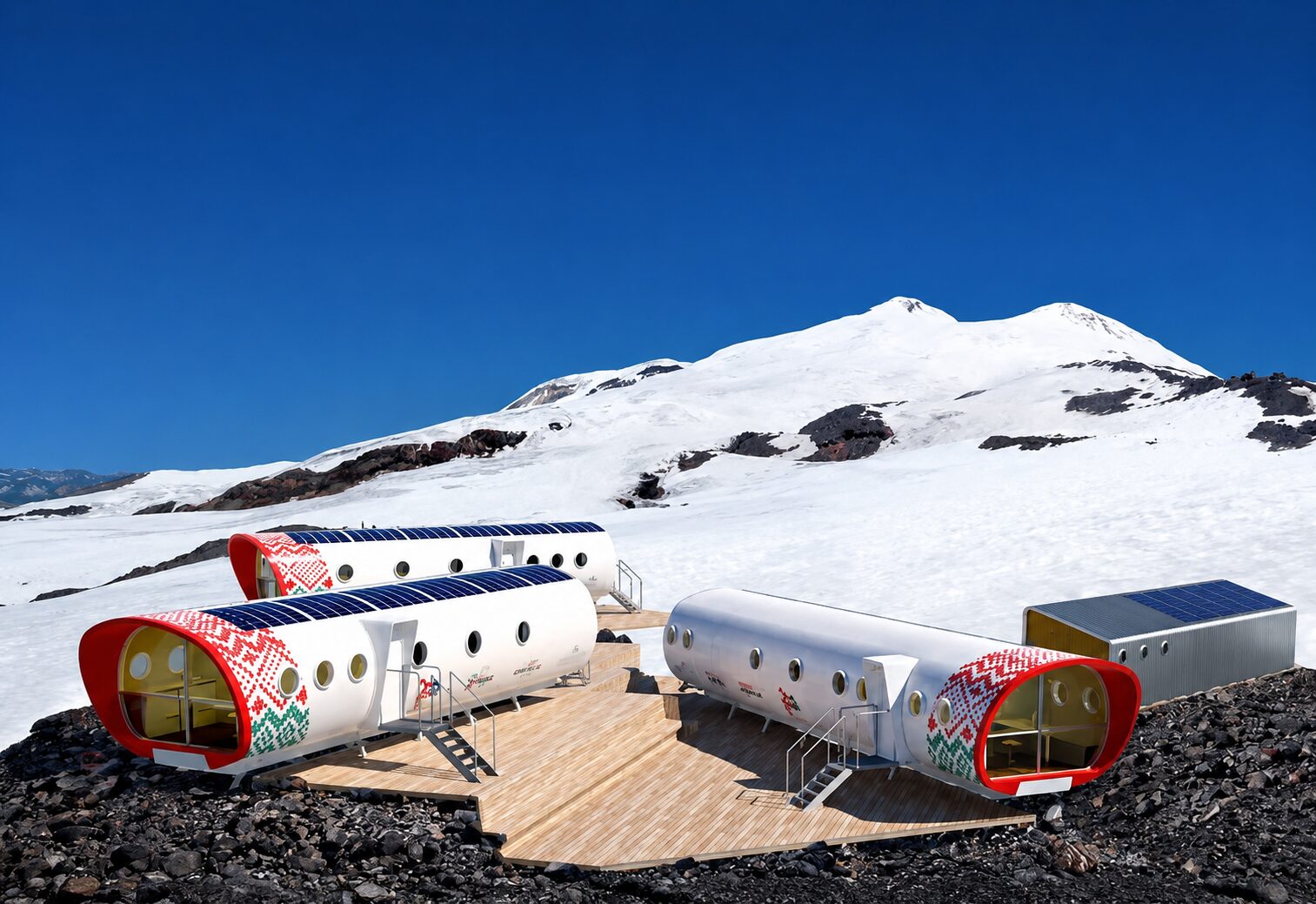
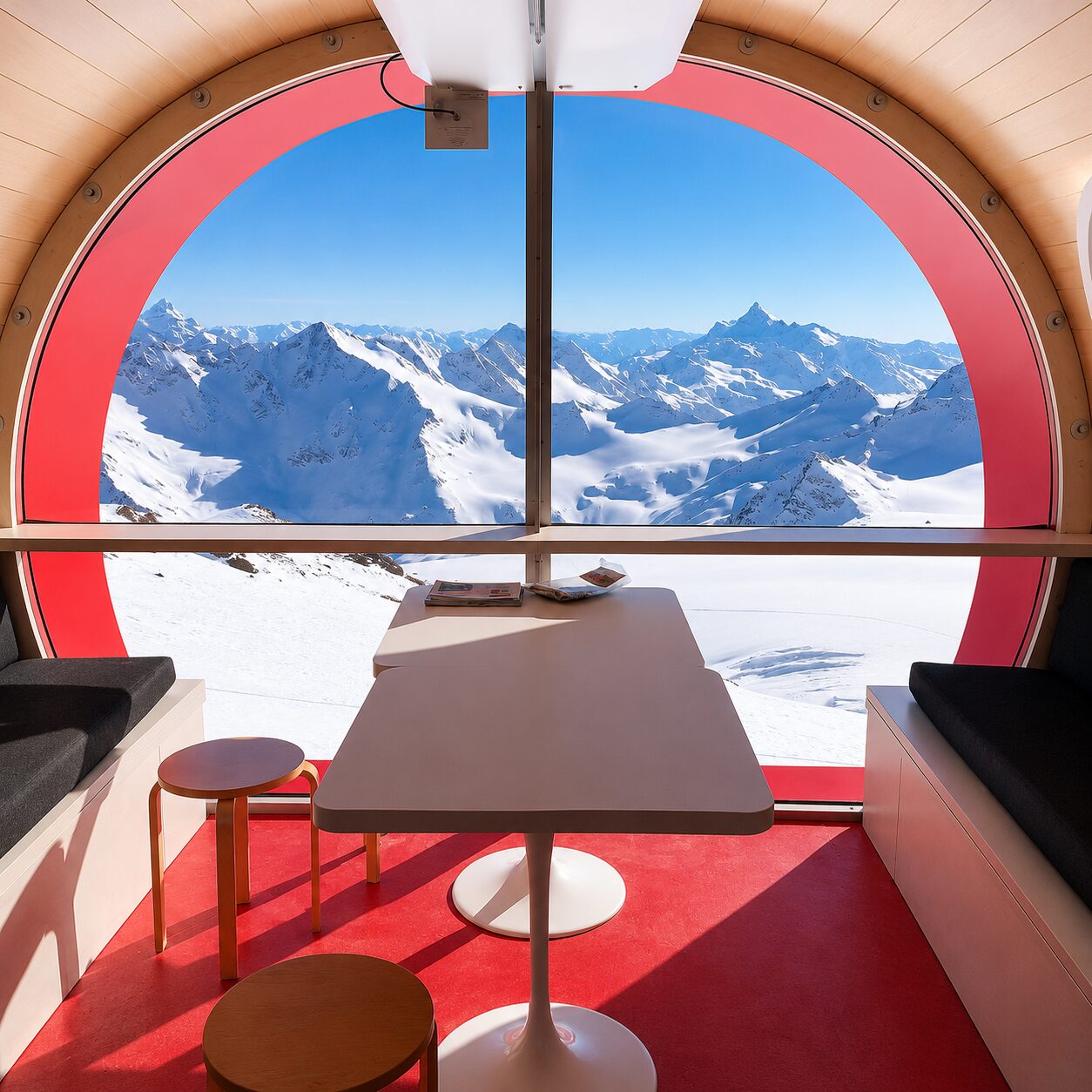
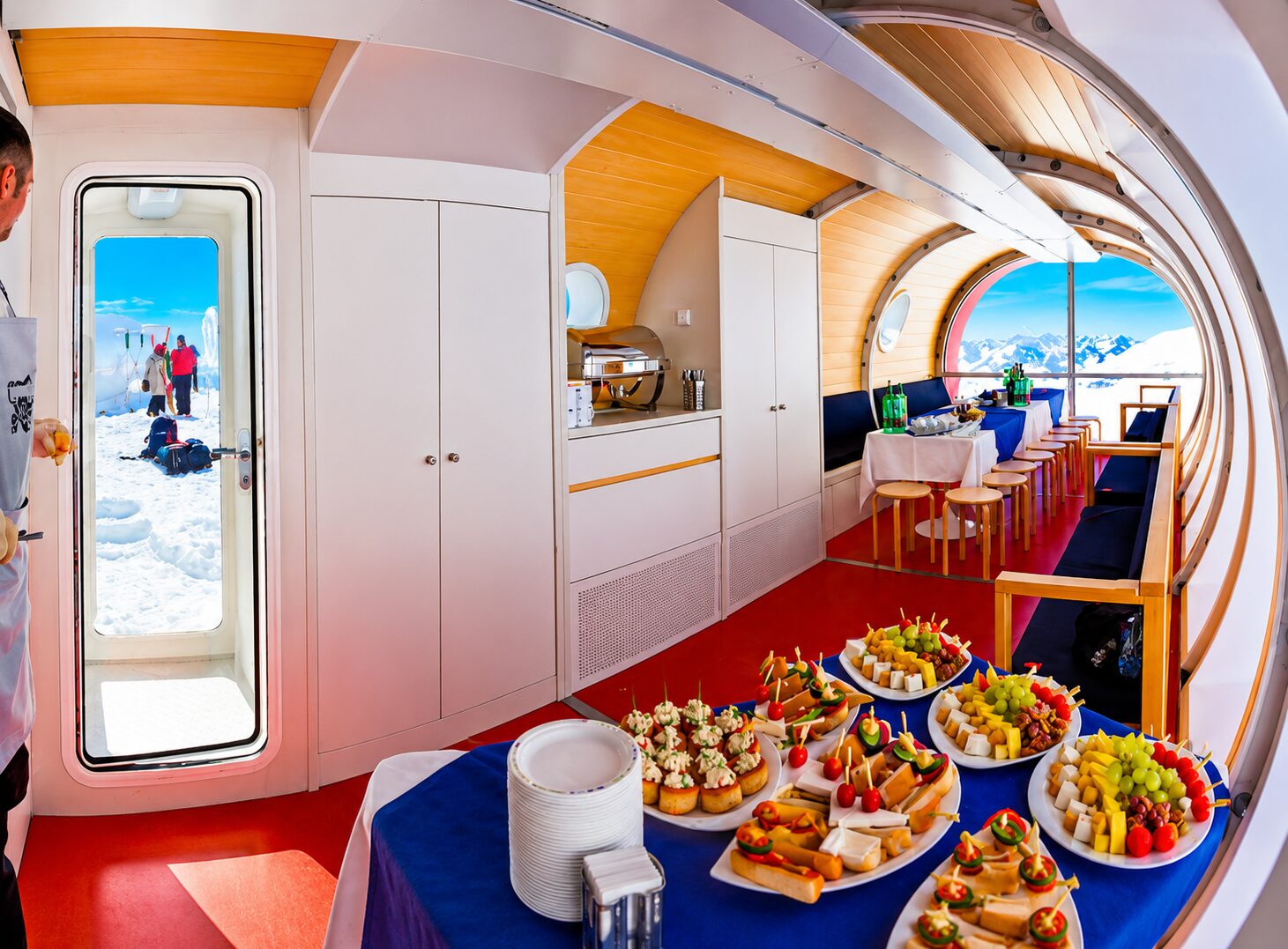
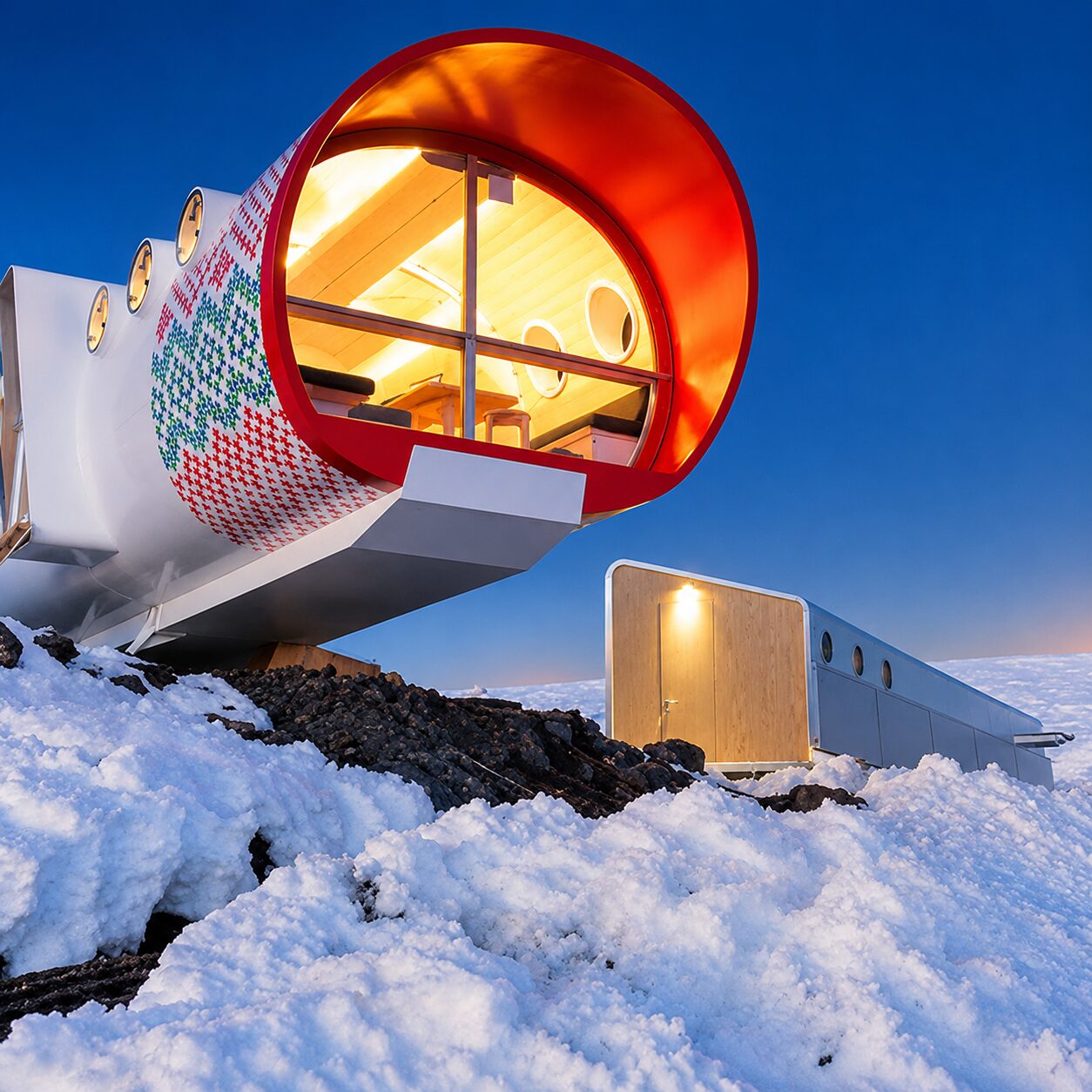
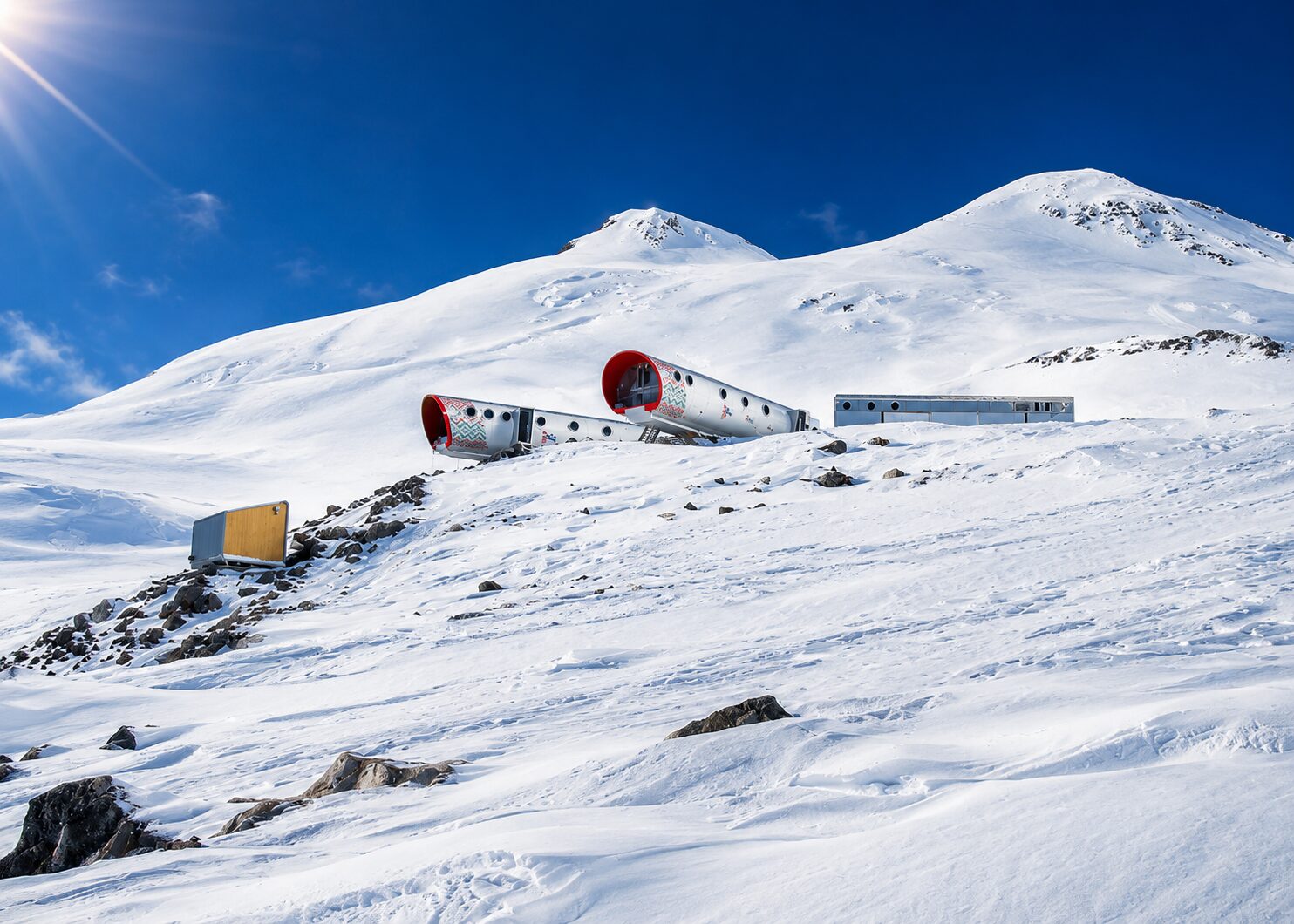
After breakfast, we ascend by cable car to the world-famous LeapRus Mountain Refuge (3,800m), one of the highest and most comfortable mountain huts in Europe.
After settling into the hut, we continue our acclimatisation with a hike to approximately 4,100m, following the proven principle of climb high, sleep low to prepare for the higher elevations ahead.
Overnight: LeapRus Mountain Refuge (3,800m)
Day 4
Acclimatisation to the Pastukhov Rocks.
Today we continue our acclimatisation with an ascent to approximately 4,800m, reaching the famous Pastukhov Rocks, a key milestone on the Mount Elbrus normal route.
This demanding day allows your body to adapt to the altitude while practising movement on snow and glacier terrain. Following the principle of climb high, sleep low, we descend back to the hut after spending time at altitude, ensuring the team is well prepared for summit day.
Overnight: LeapRus Mountain Refuge (3,800m)
Day 5
Rest day & snow skills training.
Today is dedicated to rest, recovery, and final preparations before the summit push.
After a relaxed morning, our guides will deliver a practical snow and ice skills course, covering crampon techniques, ice axe use, self-arrest, and efficient movement on snow and glacier terrain. This important session allows everyone to refine their skills, build confidence, and ensure they are fully prepared for summit day.
Overnight: LeapRus Mountain Refuge (3,800m)
Day 6
Summit Day – Mount Elbrus 5,642m.
Today is the day we have been preparing for. An early alpine start sees the team leave LeapRus Hut and begin the ascent of Mount Elbrus (5,642m), the highest mountain in Europe and one of the world’s prestigious Seven Summits.
Following a successful summit, we descend carefully back to LeapRus Hut for a well-earned rest.
Overnight: LeapRus Mountain Refuge (3,800m)
Day 7
Descent to Terskol.
After breakfast, we descend from LeapRus Hut by cable car before transferring back to our hotel in Terskol, where a hot shower and a well-earned rest await.
This evening, we celebrate the successful completion of the expedition with a special celebration dinner, where Mount Elbrus Summit Certificates will be presented to all successful summiteers, marking an unforgettable achievement on the highest mountain in Europe.
Overnight: Hotel, Terskol (2,150m)
Day 8
Departure day.
After breakfast, there is time to relax before checking out of the hotel by 12:00pm.
Our team will then transfer you to Mineralnye Vody Airport (MRV) for your onward flight home. If your flight schedule differs from the group transfer, a private airport transfer can be arranged on request.
We hope you leave the Caucasus with unforgettable memories, lifelong friendships, and the incredible achievement of standing on the summit of Mount Elbrus (5,642m)—the highest mountain in Europe.
Included
What’s Included
- Official Russian visa invitation letter
(Handled by Black Mountaineering) - Group airport transfers between Mineralnye Vody Airport (MRV) and Terskol
- Black Mountaineering 80ltr expedition bag
- All accommodation as outlined in the itinerary
- Vip Mountain refuge accommodation
- All cable car tickets
- All Meals as specified in the itinerary
- Elite mountain guides
- 1:3 guide-to-client ratio on summit day
- One full summit attempt
- Official Mount Elbrus Summit Certificate
- Accommodation
Terskol -2,200m
VIP: 3star Hotel Snezhny Bars
High Mountain Accommodation – 3,800m
VIP: LeapRus Mountain Refuge
What’s Excluded
- International flights to Mineralnye Vody (MRV), Tbilisi (TBS) or Kutaisi (KUT)
- Newly introduced 2027 government climbing permit – $400
- Any item not specifically listed under what’s Included
Available Dates
How Fit Do You Need to Be to Climb Mt Elbrus 5,642m
Climbing Mt Elbrus 5,642m requires high-altitude endurance, strength, and stamina, but it is not technically difficult. It is higher than Island Peak, but has a longer and more gradual ascent, making it more of an endurance challenge rather than a technical climb.
📌 Physical Requirements for Mt Elbrus
1. Endurance & Cardiovascular Fitness
- Summit day is 12+ hours, covering 1,000m+ vertical ascent at altitude.
- A strong cardio base is crucial to handle multi day at high altitude.
✅ Training Recommendations:
- Hike 15–20 km (9–12 miles) with a 12 kg pack at least once a week.
- Stair climbing (45 min with a 10 kg pack).
- Running (5–10 km, 3–4 times a week).
2. Strength & Load-Carrying Ability
- Expect to carry a 10–15 kg backpack for multiple days.
- Terrain includes steep ascents, snowfields, and glaciers.
- The final summit push is steep and energy-draining, requiring strong legs, core, and back.
✅ Training Recommendations:
- Squats, lunges, deadlifts (for leg power).
- Step-ups (50 cm box) with a weighted pack.
- Farmer’s carry (15 kg per hand) for grip and pack strength.
- Planks & hanging leg raises (for core stability).
3. High-Altitude Acclimatisation
- Mt Elbrus is the highest peak in Europe, and altitude sickness is a real risk.
- Many climbers experience AMS (Acute Mountain Sickness) due to rapid ascent.
- You must be prepared for low oxygen levels, exhaustion, and extreme cold.
✅ Preparation Recommendations:
- If possible, train at altitude (above 3,500m) before your trip.
- Use a hypoxic training mask or altitude tent for simulation.
- Spend extra rest days at high altitudes before the summit push.
4. Technical Skills & Ice Travel
- No technical climbing required, but the final summit push is on a 35-40° ice slope.
- You must walk in crampons on snow/ice and use an ice axe.
✅ Skills to Practice:
- Walking in crampons on mixed terrain (hills, snow, loose rock).
- Using an ice axe for balance & self-arrest techniques.
- Basic fixed rope travel
5. Mental Toughness
- You’ll be trekking for nearly two weeks before the summit attempt (physically exhausting).
- Expect cold temperatures (-20°C to -30°C) and high winds.
- The final 800m climb on summit day is slow, exhausting, and mentally tough.
✅ Mental Training:
- Train in bad weather (rain, wind, cold).
- Push through exhaustion with long back-to-back training hikes.
- Simulate long days in the mountains (cold early morning hikes).
📍 Minimum Fitness Benchmarks for Mt Elbrus
You should be able to:
✅ Hike 1,200m+ elevation gain with a 12 kg pack (6–8 hrs).
✅ Run 10 km in under 55 minutes (for cardio endurance).
✅ Climb stairs for 45 min with a 10 kg pack.
✅ Carry a 15 kg pack for multiple days.
⛏ Who Should NOT Attempt Mt Elbrus
🚫 If you have no trekking or high-altitude experience.
🚫 If you cannot hike 6–8 hours a day for multiple days.
🚫 If you struggle with cold weather and altitude sickness.
Final Thoughts
Mt Elbrus is an excellent high-altitude challenge, but endurance and altitude adaptation are far more important than technical skills.
Here’s a 12-week structured training plan for Mt Elbrus, designed to build endurance, strength, altitude adaptation, and mental toughness.
Mera Peak Training Plan (12 Weeks)
Goal: Develop the cardio endurance, leg strength, and altitude preparedness needed for the long trek and summit push.
📌 Weekly Schedule Overview
|
Day |
Activity |
|
Monday |
Strength Training + Stair Climb with Pack |
|
Tuesday |
Cardio (Running/Cycling) + Core |
|
Wednesday |
Weighted Hike (10–15 km) |
|
Thursday |
Strength + Endurance (Step-ups, Rope Work) |
|
Friday |
Rest or Light Recovery (Yoga, Stretching) |
|
Saturday |
Long Hike (15–25 km, 1,000m elevation gain) |
|
Sunday |
Technical Skills + Active Recovery (Swimming, Cycling) |
🏋️♂️ Phase 1 (Weeks 1–4): Base Building
Goal: Build cardio endurance, leg strength, and pack-carrying ability.
✅ Hiking:
- 10–12 km (6–7.5 miles) with a 10 kg pack
- 600–800m elevation gain
- 3–4 hours duration
✅ Strength Training (2x per week)
- Squats – 4 sets of 8
- Lunges – 3 sets of 10 per leg
- Step-ups (40–50 cm box) – 3 sets of 12 per leg (with a weighted pack)
- Pull-ups – 3 sets of 6
- Planks – 3 x 1 – 2 min
✅ Cardio Training
- 45–60 min running or cycling at moderate pace
- Stair climbing (30 min with a 5 kg pack)
- Swimming/rowing for active recovery
✅ Technical Skills
- Train with a loaded backpack (simulating trek conditions).
🏔 Phase 2 (Weeks 5–8): Strength & Endurance Boost
Goal: Increase hiking difficulty, pack weight, and endurance.
✅ Hiking:
- 12–18 km (7–11 miles) with a 12–15 kg pack
- 800–1,200m elevation gain
- 5+ hours duration
✅ Strength Training (2x per week)
- Increase weights for squats, lunges, deadlifts
- Farmer’s carry (15–20 kg each hand) – 3 sets of 30m
- Stair climbing (40+ min with a 10 kg pack)
✅ Cardio & Endurance
- Interval running session (5 x 3 min fast, 3 min slow)
- Long hikes back-to-back on weekends
- Rowing or swimming (improves lung capacity)
✅ Technical Skills
- Practice walking in crampons on mixed terrain.
- Try hiking in extreme conditions (rain, wind, cold).
🏆 Phase 3 (Weeks 9–12): Peak Performance & Final Prep
Goal: Simulated altitude training, endurance, and summit readiness.
✅ Hiking (Most Important)
- 20+ km (12+ miles) with a 15 kg pack
- 1,200–1,500m elevation gain
- Back-to-back long hikes (Saturday & Sunday)
- Final test: Summit a local peak or train at 4,000m+ (if possible)
✅ Strength & Endurance Training
- Stair Climbing (45–60 min with 12–15 kg pack)
- Bulgarian Split Squats – 3 sets of 10 per leg
- Dead Hangs – 3 sets of 30 sec (for grip strength)
✅ Technical Skills
- Walking on snow slopes with crampons
- Ice axe self-arrest practice
✅ Altitude & Cold Exposure
- Practice cold weather training with full gear.
✅ Mental Prep
- Simulate summit day: Start a long hike before sunrise with limited food/water.
- Train in bad weather to test mental resilience.
📍Final Prep (Last 2 Weeks)
🔹 Reduce heavy training (Tapering)
🔹 Focus on sleep, stretching, and light hikes
🔹 Pack & gear test (Fully loaded backpack, boots, and summit gear)
🔹 Simulate high-altitude breathing (practice slow, deep breaths)
💡 Key Training Tips
✔ Train with your backpack & boots early!
✔ Use trekking poles for stair climbs and hikes.
✔ Hydration & nutrition practice – Know what fuels you best.
✔ Recovery matters! – Foam roll, stretch, and prioritise sleep.
✔ Train in extreme conditions (rain, snow, wind, heat).
🚀 Are You Ready for Mt Elbrus
✅ Can you hike 1,500m+ with a 15 kg pack?
✅ Can you handle 8–10 hour hikes back-to-back?
✅ Have you trained in cold, high-wind conditions?
✅ Do you feel comfortable with ice axe use and crampons?
If you can check all the boxes, you’re in solid shape! Let me know if you want customised adjustments based on your current fitness level.
Bags
Large 80ltr Duffel Bag – we supply
Expedition Backpack 65L
Documents
Passport 6mts Valid
Debit/Credit Cards Insurance
Papers Photocopy of passport
Base Layers
Merino Wool Underwear (4 pcs)
Merino long sleeve base layer (1 pcs)
Merino long pants base layer (1 pcs)
Short Sleeve T Shirt (2 pcs)
Mid Layers
Fleece (1pcs)
Mid weight Hiking Pants (1pcs)
Windproof/Rain Layers
Hard Shell Jacket (1pcs)
Hard Shell Pants (1pcs)
Insulation Layers
800+gram Goose Down Jacket with hood
Insulated Pants
Lite puffer jacket
Headwear
Warm Hat (1pcs)
Balaclava (1pcs)
Baseball Cap (1pcs)
Buff (1pcs)
Eyewear
Cat 4 Glacier Glasses
Gloves
Lightweight Liner Gloves
Shell Guide Glove with Insulated Liner 7000m
Expedition Mitts
Footwear
Wool or Synthetic Socks (3 pairs)
Double Skin Mountaineering Boots 6000 (Kailas / Lasportiva / Millet)
Trekking Approach Shoes
Refuge Shoes – crocs or sandals.
Sleeping Equipment
Sleeping Bag -20°C
Earplugs
Mountaineering Gear
Crampons – can rent
Climbing Harness – can rent
Headlight 500-700 Lumens (2pcs)
– batteries or charing leads
Travel Items
Travel Clothes
Cash
Visa Card
ATM card
Hut Clothing
• 1 x Tracksuit
• 1 x Sliders / sandals.
Additional Food Items
Salty-sweet bars
Medical/First Aid
Personal First-aid kit
Compeed blister packs
Sutures & steri strips
Ibuprofen
Paracetamol
250mg Diamox 10 days
Medicated throat lozenges
Medicated throat spray
Antibiotic Azithromycin 500mg
Laxatives
Imodium
Mosquito repellent
Menstrual products
Electrolytes
Nail cutter
Duct tape – Repair Kit
Hand & Feet chemical warmers
Toiletries (Personal)
Toilet Paper
Toothpaste &Toothbrush
Bio Baby wipes (2pcs)
Soap
Shampoo
Shaver
Towel
Small nail-brush
Sunscreen: SPF 50
Lip Screen: SPF 30
Aftersun
Additional Item
Trekking poles
Water Bottles 1- liter (2pcs)
Pee Bottle 1- litre
Female Urination Device (FUD)
Optional Electronics
Country-appropriate plug adapters
Power Bank
Phone
Charging leads
See more about our payment policy Here
On Booking your expedition our returns policy can be viewed here

Participants must have travel insurance that covers:
- Medical Expenses €10,000,000
- Baggage (optional) €3,000
- Trip Cancellation €9,000
- Personal Liability €2,000,000
- Trekking up to 6,000 metres
Instructions:
Traveller plus – Ultimate pack – Winter sports
Bring your policy details in the event required.
We strongly recommend True Traveler.