Introduction: The Mountain Does Not Ask
There is a moment on Mount Toubkal that resets everything.
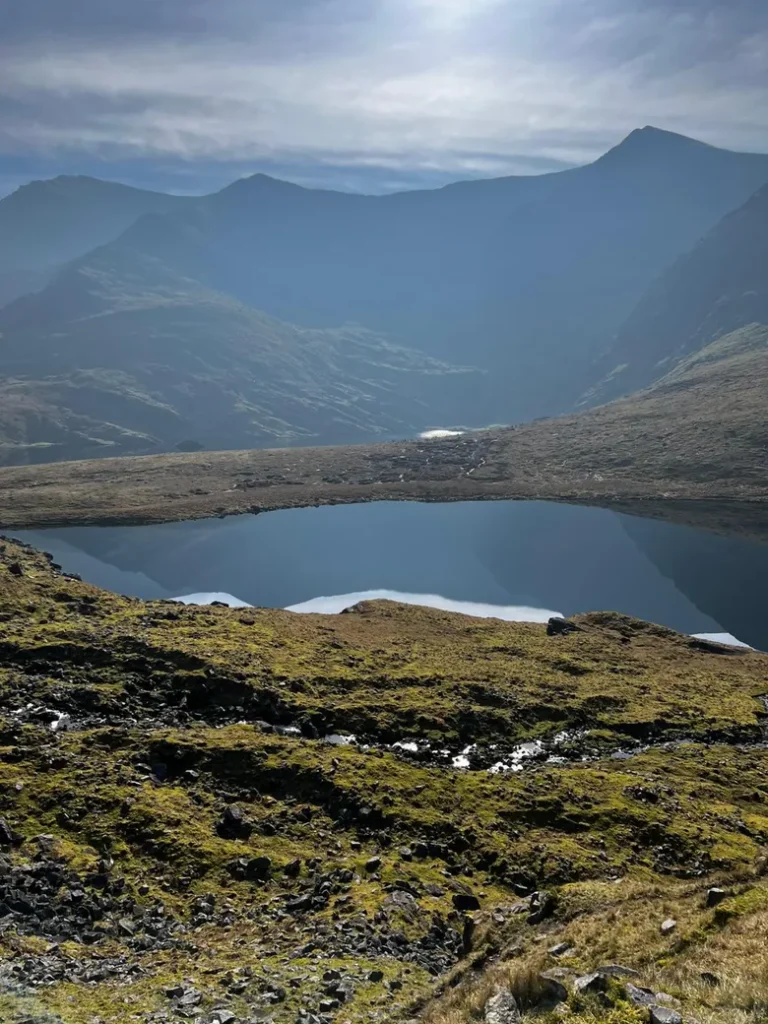
You are crossing the Tizi n’Toubkal saddle in the dark, somewhere above 3,975 metres. Your headtorch cuts a narrow arc across the scree. The wind is cold and indifferent. Below you, the Mizane Valley has disappeared into shadow. Above you, the summit ridge of North Africa’s highest peak waits at 4,167 metres.
In that moment, the mountain does not ask about your gender. It asks only whether you prepared. Whether you showed up. Whether you are willing to keep moving.
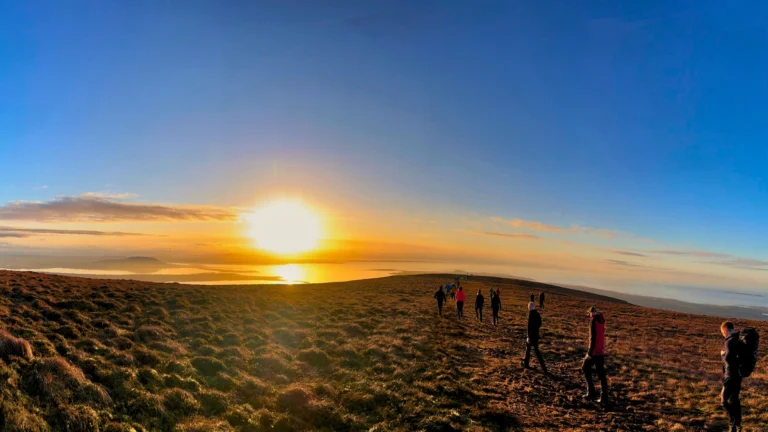
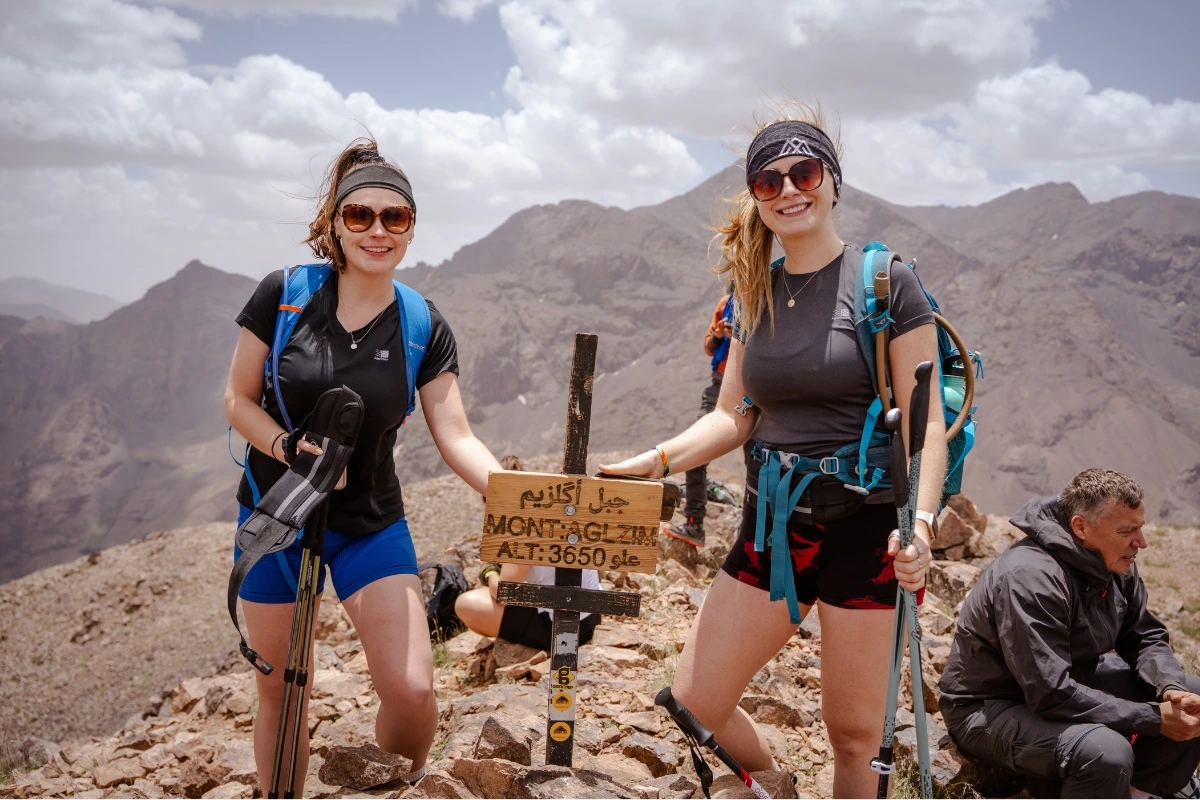
Women are answering that question on Toubkal with increasing confidence and in growing numbers. They are trekking the Mizane Valley, sleeping at the refuge at 3,600 metres, waking at 1am, lacing cold boots, and standing on the highest point in Morocco. They are doing it as beginners finding their first high-altitude summit. They are doing it as experienced alpinists expanding their range. And they are doing it together, in small, purposeful teams where the shared effort strips away every irrelevance and leaves only what is real.
This is not a story about exception. It is a story about what becomes possible when preparation meets the right mountain.
Why Toubkal Is the Mountain That Changes Things
Not every mountain is the right starting point. The appeal of Toubkal for women entering high-altitude trekking, and for experienced female mountaineers building their record, comes from four qualities that define this route.
Non-Technical, But Never Easy
Mount Toubkal requires no ropes, no harnesses, and no prior climbing experience. The route through the Mizane Valley via the South Cirque is graded moderate to challenging. Approach days involve 6 to 8 hours of trekking. Summit day covers 17 kilometres with 960 metres of ascent and 2,217 metres of descent, taking 10 to 11 hours in total. The terrain includes river tracks, mule paths, rocky valley floors, and the steep scree and boulder fields of the South Cirque.
It demands genuine physical preparation. It demands mental focus. That combination of accessible entry requirements and real physical demand makes it one of the most powerful starting points for women stepping into high-altitude expedition mountaineering.
Altitude That Counts
At 4,167 metres, Toubkal sits firmly within the range where Acute Mountain Sickness becomes a genuine consideration. AMS risk begins above 2,500 metres and symptoms can include sleeplessness, loss of appetite, shortness of breath, and in more serious presentations, nausea and dizziness. The Jason Black Mountaineering acclimatisation strategy is built around controlled ascent pacing, an overnight rest at the Toubkal Refuge at 3,600 metres before the summit push, and expedition leaders trained to identify and respond to AMS early.
For any woman planning her first high-altitude expedition, Toubkal provides real altitude experience within a structured, safety-first environment.
Culture at Every Elevation
The route passes through Aremd at 1,900 metres, one of the largest Berber villages in the valley, and continues past the pastoral shrine of Sidi Chamarouch at 2,300 metres where a waterfall meets clustered clifftop houses. Every day on the trail, the cultural richness of the High Atlas is present — in conversations with local guides, in the mint tea shared at altitude, in the communal evening meals in traditional gites.
This is not a mountain approach stripped of context. The human landscape of the route is as significant as the physical one.
A Summit With Real Weight
North Africa’s highest peak. The highest point in Morocco. The highest point in the Arab world. For women building a mountaineering record, Toubkal is a summit that belongs on the list. It is a legitimate achievement at a legitimate altitude, and it sits naturally alongside peaks on every other continent for climbers with broader ambitions.
The History Being Made on These Slopes
The history of women in mountaineering is longer than most people realise, and in some ways shorter than it should be. Longer because women were in the mountains long before formal recognition. Shorter because formal access to high-altitude expedition teams was withheld for much of the twentieth century.
In Morocco, female mountaineers are carving their own chapter of that story with particular force right now. The women walking into the High Atlas today are not following a well-worn path. They are building one.
They are showing younger women what the summit looks like from the perspective of someone who was told it was not for them. They are showing women arriving from Ireland, Scotland, and across Europe and Africa that North Africa’s highest peak is exactly as open as any other. And they are showing the mountain communities of the Mizane Valley that the trekkers coming through their villages represent something broader than tourism: a global community of women who have decided that altitude is not a barrier.
The Jason Black Mountaineering expeditions to Toubkal have always drawn women at every experience level. Some arrive with years of hillwalking in the Wicklow Mountains or the Scottish Highlands. Some arrive having never worn crampons. What connects them is not shared experience. It is a shared decision: show up, prepare properly, and find out what is possible.
That is the history being made. Not in a single headline. In the accumulation of individual decisions by women who chose the mountain.
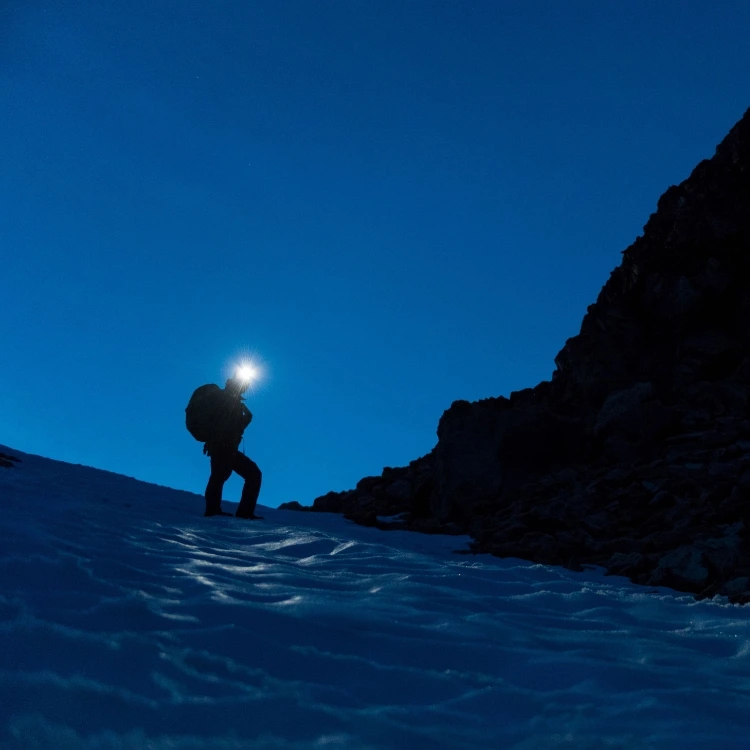
Preparation: What Every Female Mountaineer Needs to Know
The preparation for Toubkal is the same for every climber regardless of background. The mountain does not modify its terrain for those arriving for the first time. What it offers is a clear standard that can be trained toward across a structured 12-week programme.
The 12-Week Training Framework
Jason Black Mountaineering provides every booked participant with a 12-week progressive training plan. Every session begins with a 15-minute warm-up and closes with 15 to 20 minutes of cool-down.
The weekly structure builds in intensity from Week 1 through Week 12:
- Monday: Zone 2 endurance runs starting at 30 minutes, building to 45 minutes by the final weeks.
- Tuesday: Strength training sessions maintained throughout all 12 weeks.
- Wednesday: Hill repeats beginning at 6 x 100m, progressing to speed intervals at 4 x 400m and 2 x 800m from Week 8 onward.
- Thursday: One-hour long walk, maintained throughout.
- Friday: Run or bike HIIT, 10 to 12 sets alternating Zone 4 and Zone 2 minutes, increasing to 90-second Zone 4 efforts by Week 7.
- Saturday and Sunday: Trekking on mountain terrain wherever possible.
The weekend mountain terrain emphasis is not incidental. The South Cirque’s sustained scree ascent and the physical toll of the full descent demand neuromuscular conditioning that no gym programme fully replicates. Mountain walking with a loaded daypack is the most direct preparation available.
Understanding Altitude and AMS
Any woman who has not previously trekked above 2,500 metres should research AMS before departure and consult a doctor regarding Diamox for prophylactic altitude support. The Jason Black Mountaineering safety protocol is clear: any symptom of nausea, dizziness, or disorientation must be reported immediately to the expedition leader, and descent will be arranged without hesitation if continuing poses a risk.
Gear Checklist for Summit Day
The packing list below has been refined across multiple Toubkal expeditions. Bring exactly what is on it. Do not improvise on summit day.
Bags:
- 80 to 90L waterproof soft duffle bag (mule-carried on approach)
- 25 to 30L daypack
Clothing and Insulation:
- 600-fill insulated puff jacket (non-negotiable above 3,000 metres)
- Waterproof shell jacket and trousers
- Fleece layer, long-sleeve trekking shirt, hiking trousers
Footwear:
- Broken-in hiking boots (break in 6 to 8 weeks before departure)
- Trail runners for recovery sections
- Sandals or crocs for the refuge
Headwear and Hands:
- Sun hat with neck cover
- Woollen hat
- Sunglasses (full UV protection)
- Headtorch (essential for the 2am start)
- Fleece gloves or mitts
Summit Nutrition:
- 4 energy bars
- Hydration tabs
- 2 x 1-litre water bottles
Trekking Poles: Strongly recommended for the South Cirque descent and scree sections.
Personal Medicines:
- Paracetamol and ibuprofen
- Course of antibiotics
- Antiseptic wipes
- Compeed blister packs
Travel Insurance: Mandatory. Must cover non-technical mountaineering to 4,200 metres in Morocco, including trip interruption and helicopter evacuation. Jason Black Mountaineering recommends True Traveler.
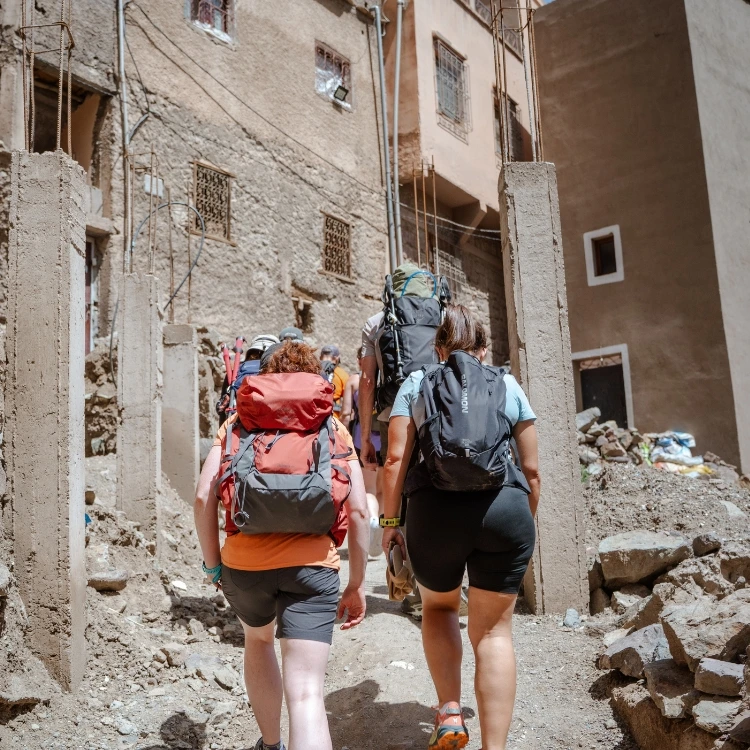
Summit Day: What the Mountain Actually Asks of You
Alarms at 1am. Breakfast in the dark at the refuge. Boots on, headtorch lit, team at the door by 2am.
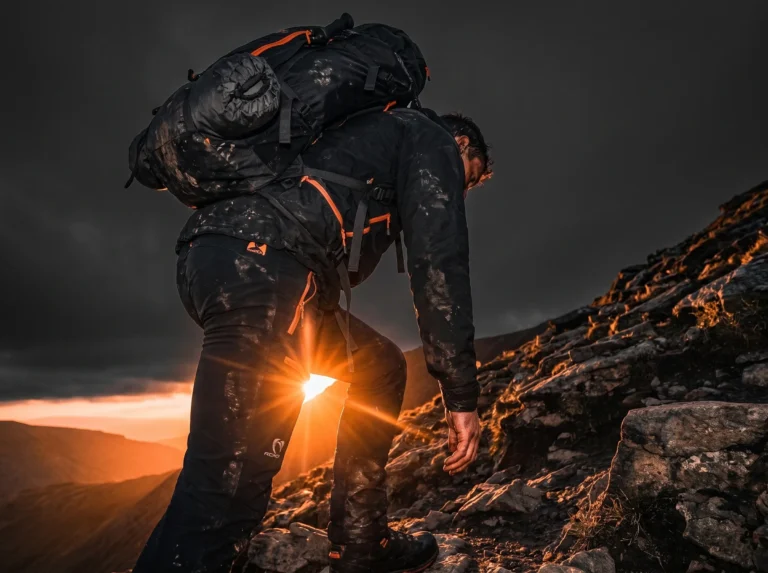
The first section climbs steeply from 3,600 metres up the South Cirque. The ground underfoot is loose scree and boulders. The altitude is already working against you. Every step requires deliberate placement. Breathing is harder than it should be. Your legs feel heavier than the gradient justifies. This is exactly where preparation does its work — where the 12 weeks of training either carry you or where the absence of them makes itself felt.
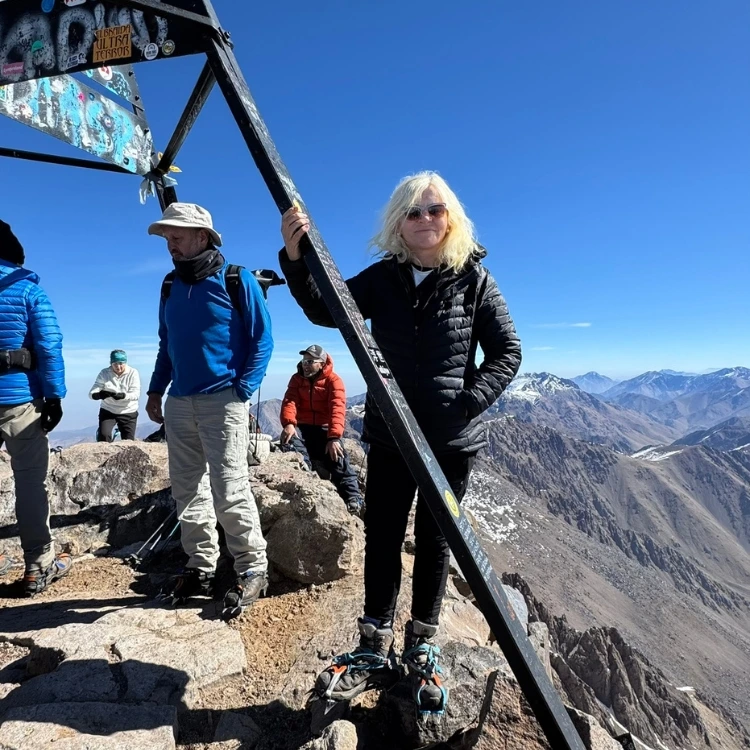
At the Tizi n’Toubkal saddle at 3,975 metres, the High Atlas opens to the east as the first light begins to colour the horizon. The summit is close. The push from the saddle to the top of Jebel Toubkal at 4,167 metres is a matter of pace, focus, and placing one boot in front of the other.
On a clear morning, the view takes in the full sweep of the High Atlas, the Marrakesh Plain to the north, and the beginning of the Sahara stretching south. That view belongs equally to every climber who earns it.
The descent retraces the same line back through the South Cirque and down to Aremd at 1,900 metres. The evening meal in a traditional Berber village house, the conversation about what the day asked of you — these are the parts of the experience that no summit photograph captures.
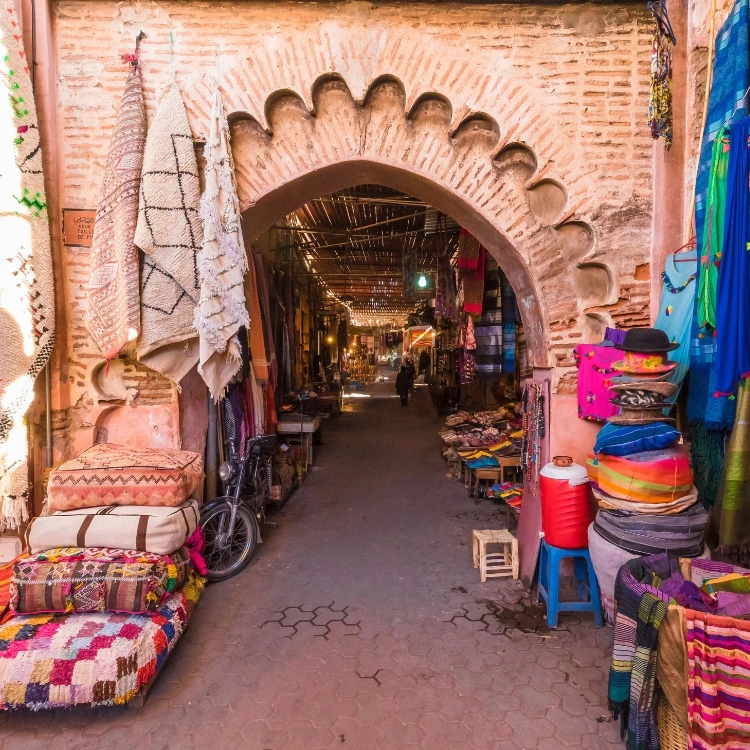
Marrakesh: The Beginning and the End
Every Toubkal expedition starts and closes in Marrakesh. The city does not disappoint as a frame for a mountain journey.
The medinas, the souks, the cooking smells, the evening call to prayer from the Koutoubia Mosque — Marrakesh has drawn travellers for centuries, and it continues to reward those willing to look beyond the surface. Jason Black Mountaineering’s welcome meeting on Day 1 is followed by a traditional team dinner. The celebration meal on Day 4, after the team returns from the mountain, is a fitting close to a journey that began in the Red City and reached 4,167 metres above it.
For women arriving from Ireland, Europe, or further afield, Marrakesh is often the first direct encounter with Morocco’s culture. It is a generous and complex first impression.
Key Takeaways for Women Planning Their Toubkal Expedition
The points below come directly from the Jason Black Mountaineering expedition experience. Take each one seriously.
Training: Begin your 12-week programme at minimum 12 weeks before departure. Summit day is 17 kilometres and 10 to 11 hours. General fitness is not the same as expedition fitness.
Altitude: AMS risk begins at 2,500 metres. Consult a doctor about Diamox before you go. Know the symptoms and report anything unusual to your expedition leader immediately.
Boots: Break them in at least six to eight weeks before departure. Blisters on the South Cirque descent are not a minor inconvenience at altitude.
Nutrition: Carry your own summit nutrition. Four energy bars and two litres of water. Altitude suppresses appetite. Eat on schedule regardless of how you feel.
Team: Jason Black Mountaineering limits expeditions to 10 people. That limit is intentional. Every individual matters in a small team, and the team’s strength is one of the most important factors on summit day.
Booking: Eight expedition windows are available in 2026, running from March through October. Places are limited. Book early.Insurance: Mandatory. Non-technical mountaineering to 4,200 metres in Morocco, including trip interruption and helicopter evacuation.
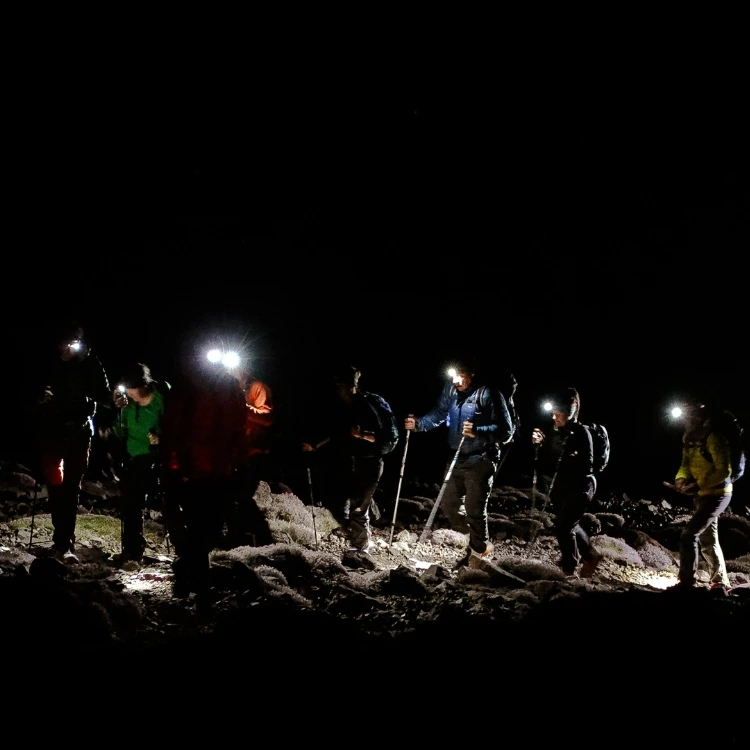
Conclusion: The Summit Is There for Anyone Who Earns It
The most important thing about the women making history on Toubkal is not that they are women. It is that they prepared, committed, and walked to the highest point in North Africa under their own power.
The history matters because it is real. When a woman sees the summit photograph of someone who started exactly where she is — without experience, without a mountaineering background, with only a decision to try — the mountain becomes possible in a way that no amount of encouragement can manufacture on its own.
The mountain itself is indifferent. It requires the same preparation from everyone. The same early alarm. The same cold boots. The same deliberate steps across the South Cirque in the dark.
That is what the mountain offers. Not ease. Not a shortcut. The honest possibility of what you can reach when you prepare, commit, and go.
Rise with the mountain.