Reach Beyond What You Thought Was Impossible
Twenty-four hours. Four summits. One challenge.
The National 4 Peaks Challenge strips away everything but what matters: your capacity to keep moving when your body says stop, and your mind finds reasons to continue.
This isn’t about ticking boxes or collecting peaks. It’s about discovering what happens when you remove sleep, comfort, and the usual escape routes. What remains is clarity. The kind you can’t manufacture in a gym or find in a motivational quote.
I’ve guided hundreds through this challenge. The transformation isn’t subtle. You see it in how people carry themselves after Carrauntoohil at 3 a.m., or during the final push up Mweelrea when exhaustion has become just another condition to work through.

The Route That Teaches
We start at Slieve Donard at 08:00. Four hours to summit and return. Then three hours by bus to Lugnaquilla, where the real work begins. Five hours on that mountain, then straight into the bus for a five-hour drive to Carrauntoohil.
Carrauntoohil is where most people find their edge. It’s a night climb. Six hours round trip. Your headtorch beam cutting through darkness, legs protesting, mind calculating the hours since you last slept properly.
Then we drive five hours to Mweelrea. By now, you’ve been moving for close to 24 hours. This final summit at 814 meters feels steeper than it is. But you climb it anyway, because that’s what you came here to do.
The itinerary is designed to be unforgiving. Not because we want you to suffer, but because growth doesn’t happen in comfort. It happens when you’re two peaks in, sleep-deprived, and you still have two more to go.
What Preparation Actually Means
“By failing to prepare you are preparing to fail.”
That’s not a cliché when you’re staring down 24 hours of continuous movement across Ireland’s highest peaks. Preparation is the difference between finishing with pride and pulling out halfway through.
You need 12 weeks minimum. Not to become superhuman, but to build the foundation that lets you keep moving when everything hurts.
The training breaks down simply:
Weekends are for time on your feet. Long hikes. Building stamina and endurance. Your body needs to understand what sustained effort feels like.
Weekdays are for strength training and high-intensity intervals. One session of strength work to protect your joints on descent. Two HIIT sessions to develop your cardiovascular system. Hill repeats. Circuit training. Spinning classes. Forty-five minutes to an hour each session.
If you have old injuries or weak joints, address them now. A minor discomfort during a weekend hike becomes a serious problem at hour 18 of the challenge.
Consult your doctor before starting any major training program. This matters.
The Gear That Keeps You Moving
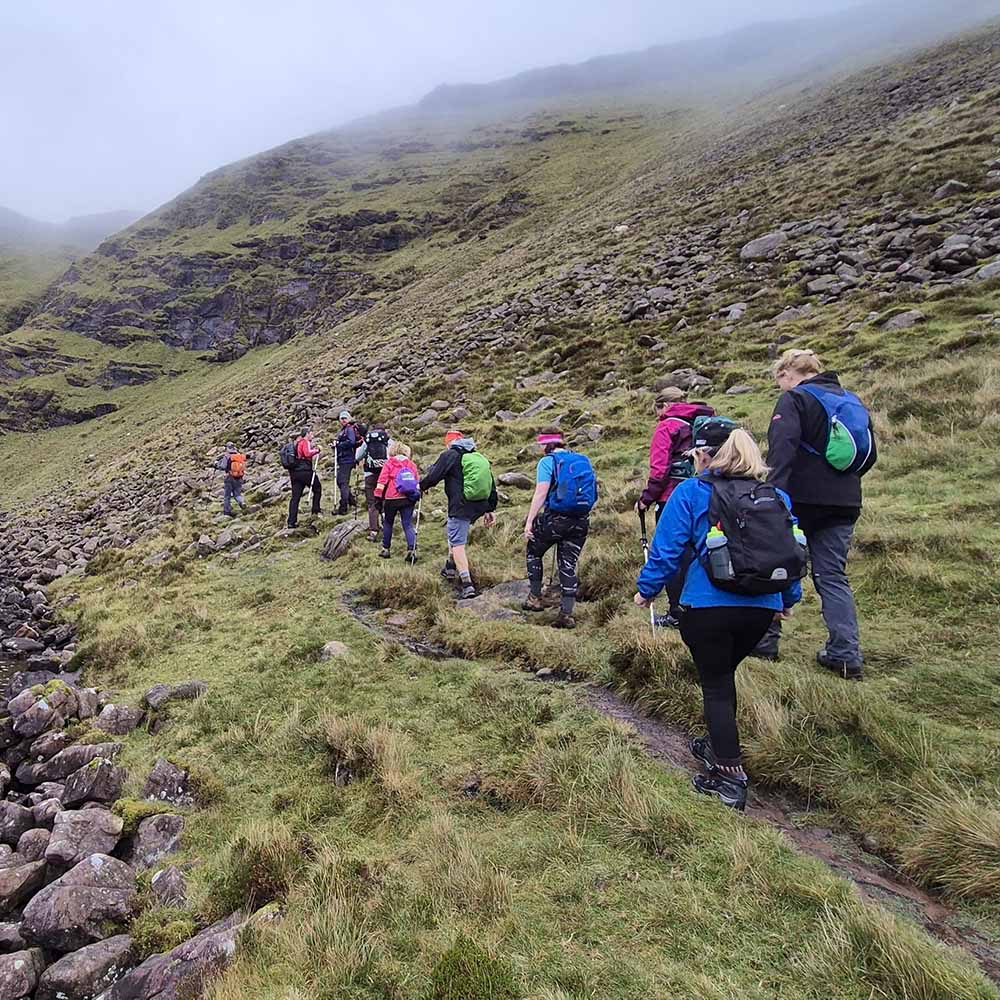
You’re responsible for having what you need. If you’re buying new equipment, use it before departure. Break it in. Blisters at hour three will still be bleeding at hour 20.
Mountain kit basics:
Three short sleeve shirts. One long sleeve base layer. A simple fleece. An insulated jacket for the night sections. Waterproof jacket and over-trousers. Two pairs of hiking trousers. Three pairs of hiking socks. Gloves for the night climbs.
Comfortable hiking boots with proper ankle support. Not new ones. Boots you’ve already put miles into.
A headtorch with spare batteries. A small 20-liter backpack. Water system, whether that’s a camel pack or bottles. Re-hydration tablets.
Bus kit matters just as much:
Tracksuit, t-shirt, shorts, socks for bus travel. Personal hygiene items, specifically biodegradable baby wipes. Foot care supplies: plasters, blister packs, Compeed.
A sealed food box with your name on it. Ten liters of water. Two liters of something with sugar in it. A personal pillow and light blanket for the bus. Headphones or a book.
Crocs, flip-flops, or sliders. You cannot enter the bus with hiking boots. Have clean footwear in the outer trunk and a plastic bag to store your boots.
Nutrition as Strategy
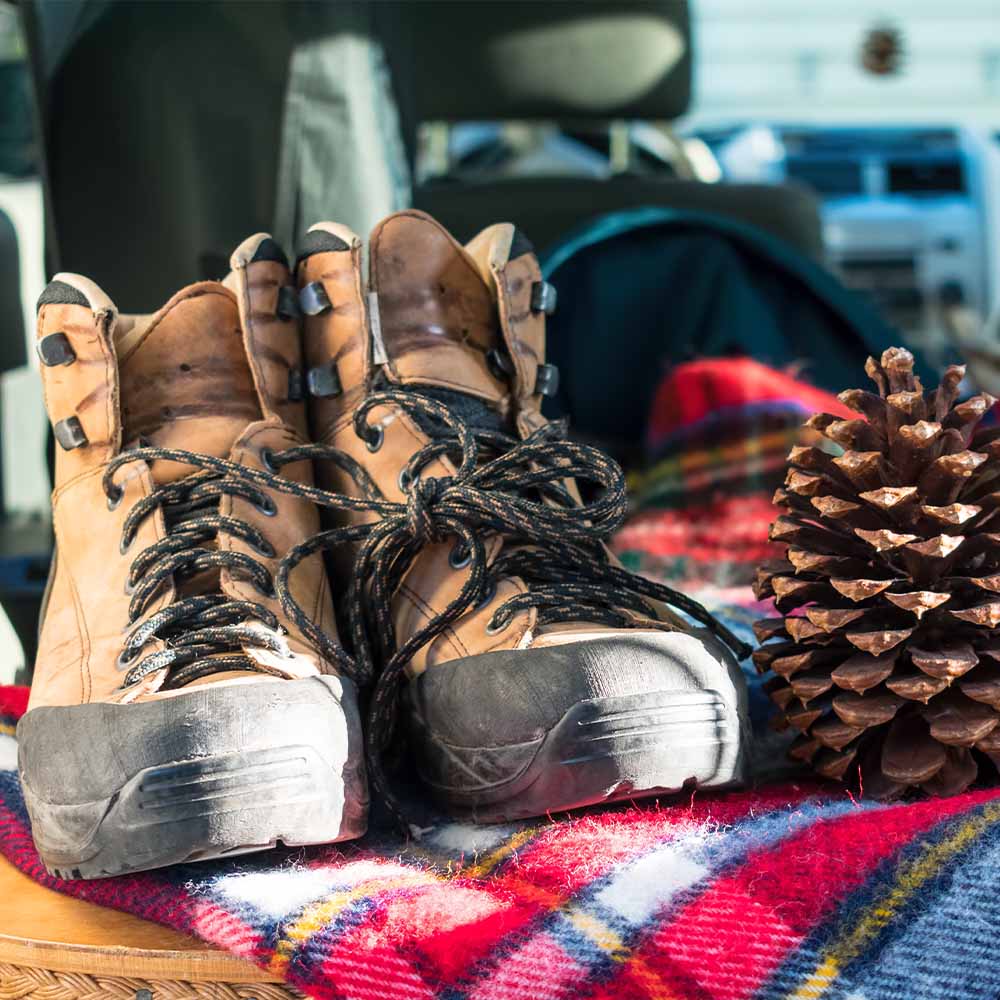
Have enough food for the complete trip. No exceptions. We will not be stopping for resupplies.
Break your food into two categories: mountain food and bus food.
For the mountains:
Keep it simple and quick. A wrap, a slice of fruit cake, a Bounty bar. Or a sandwich, trail mix, granola bars. You need calories that you can eat while moving or during brief stops.
For the bus:
Pasta bowls. Rice bowls. Salads. Rice pudding. Fruit cake. Bananas. Apples. Real food that gives you sustained energy and helps your body recover between peaks.
Hydration is non-negotiable:
Two liters of water on each mountain. Two liters between climbs. Hydration tablets help replace salts and minerals.
The Mental Game Nobody Mentions
Physical preparation gets you to the start line. Mental preparation gets you to the finish.
Around peak three, Carrauntoohil, something shifts. Your body is tired. You’re climbing in darkness. The rational part of your brain starts listing reasons why continuing doesn’t make sense.
This is where the challenge actually begins.
The mountains don’t care about your excuses. They don’t care that you’re tired or uncomfortable. They simply exist, and you either keep climbing or you don’t.
That clarity is valuable. It strips away the complexity we usually hide behind. There’s just the mountain, your legs, and your decision to keep moving.
I’ve watched people discover reserves they didn’t know they had. Not through some dramatic revelation, but through the simple act of putting one foot in front of the other when stopping would be easier.
That’s the transformation. Not loud. Not flashy. Just you, learning what you’re actually capable of when you remove the option to quit.
The Support That Makes It Possible
We maintain exceptional safety standards. Twenty-five years of mountaineering experience. UMLA International mountain leader qualification. Wilderness first responders. Qualified mountain leaders on every trip.
The small group approach matters. Better guide-to-client ratio. Reduced environmental impact. Stronger team dynamic.
Everyone on the bus becomes part of your team. You’ll watch people struggle. You’ll struggle yourself. And you’ll see what it looks like when someone pushes through anyway. That matters more than any motivational speech.
We have a zero-tolerance policy towards violence, harassment, and disrespect. Your group guide’s decisions are final for the wellbeing of all participants. Any behavior that disrupts the itinerary or breaks local laws may lead to removal from the challenge.
What Happens After
You return to Slieve Donard carpark around noon on Monday. Twenty-four hours after you started. Four peaks completed. One medal earned.
The physical achievement is obvious. You’ve just climbed Ireland’s four highest mountains with minimal rest. Your legs will remind you for days.
But the real change is quieter.
You’ll notice it when something difficult comes up in regular life. You’ll remember hour 18 of the challenge, when you were exhausted and kept going anyway. And whatever you’re facing now won’t seem quite as impossible.
That’s what the National 4 Peaks Challenge actually teaches. Not that you’re invincible, but that you’re more capable than you thought. That discomfort is temporary. That with proper preparation and the right support, you can do hard things.
The mountains don’t lie. They demand everything you have, and they show you exactly what you’re made of.
Becoming a National 4 Peaks Summiteer
The National 4 Peaks Challenge was developed to celebrate Ireland’s mountains, inspire a belief that everything is possible, and empower others to follow.
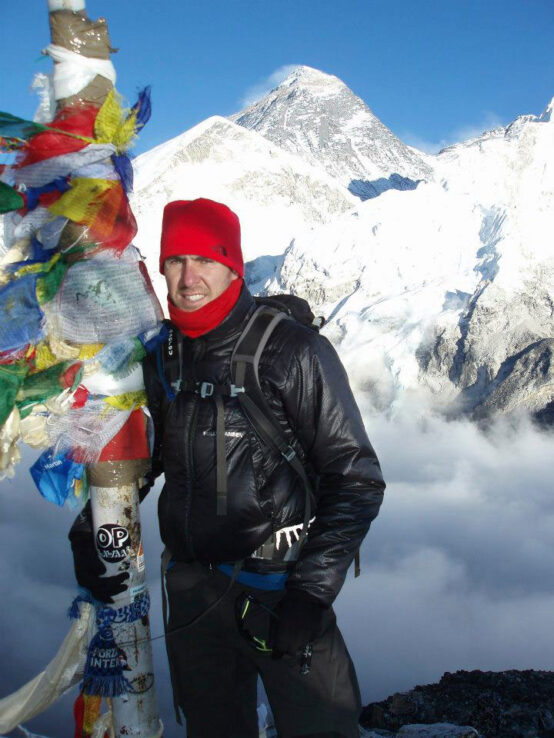
With one of the most accomplished mountaineers of a generation at your side, you’ll be in expert company to reach beyond what you thought was impossible and achieve your goals.
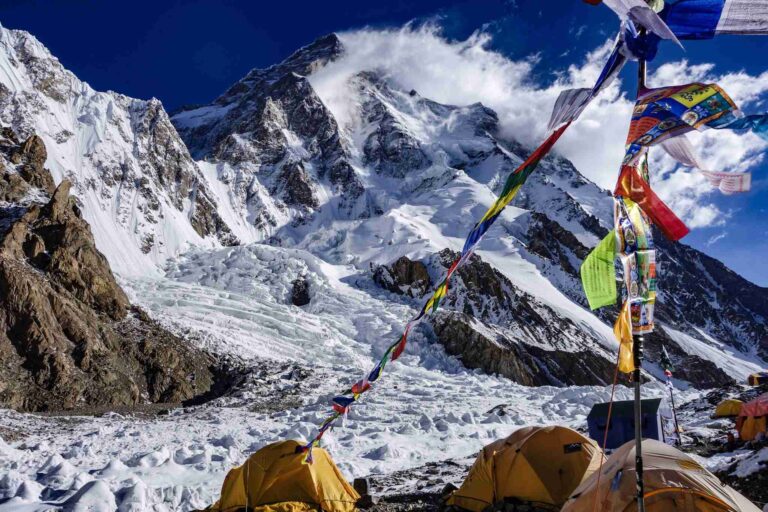
This is professional expedition leadership applied to Ireland’s peaks. The same standards we use on Everest and K2, brought home to Slieve Donard, Lugnaquilla, Carrauntoohil, and Mweelrea.
You don’t need to be a professional athlete. You need to be willing to prepare properly, follow guidance, and keep moving when it gets difficult.
The challenge is accessible. The transformation is real.
Rise with the mountain.