The Boardroom Does Not Prepare You for This
There is a moment, somewhere between hour twenty-eight and hour thirty-two, when the body wants to stop and the mind begins to negotiate with itself.
You have already climbed Slieve Donard in the Mournes. You have crossed Lugnaquilla in Wicklow. You have moved through the dark on Carrauntoohil in Kerry, Ireland’s highest mountain at 1,038 metres, headtorch cutting through rain at 2am. And now, with Mweelrea in Mayo standing between you and the finish, the question is no longer about fitness.
It is about who you are when it costs something.
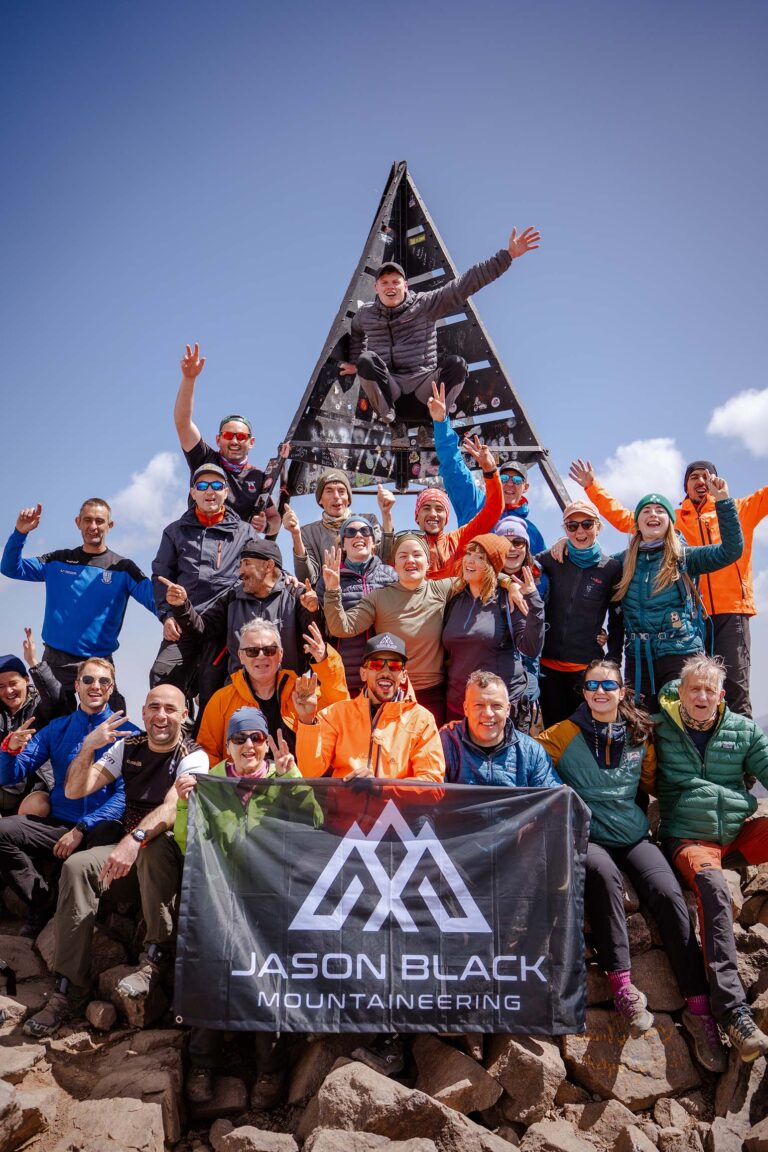
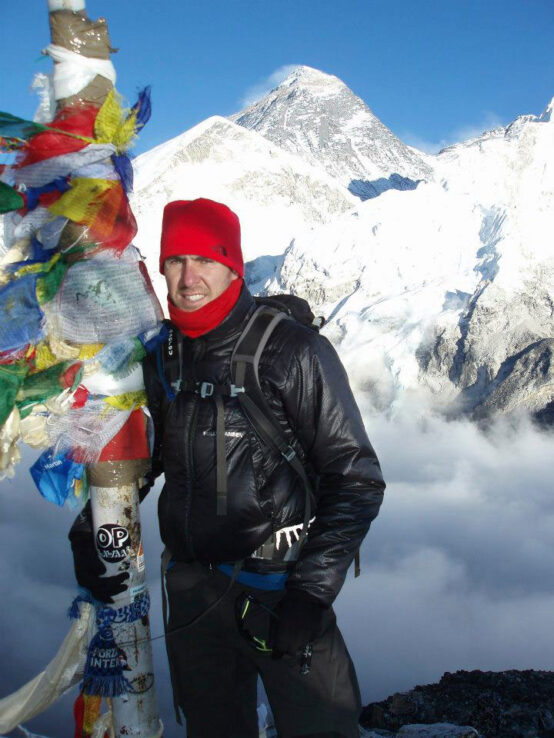
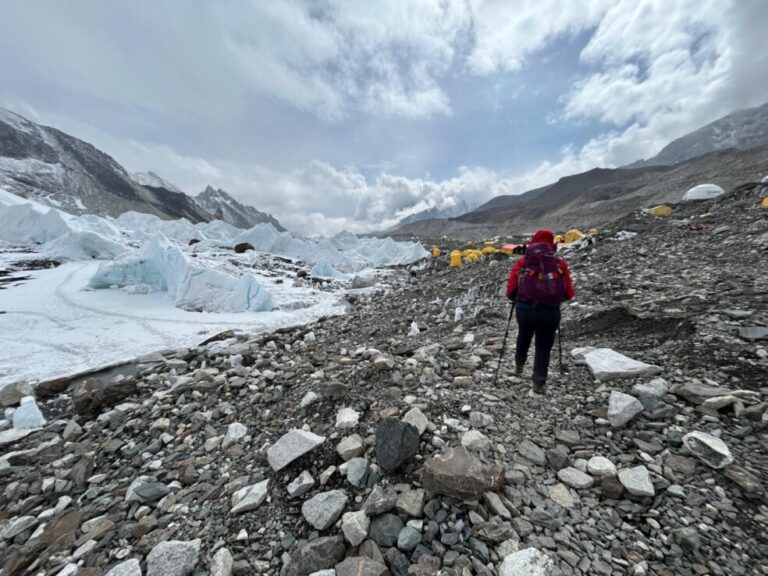
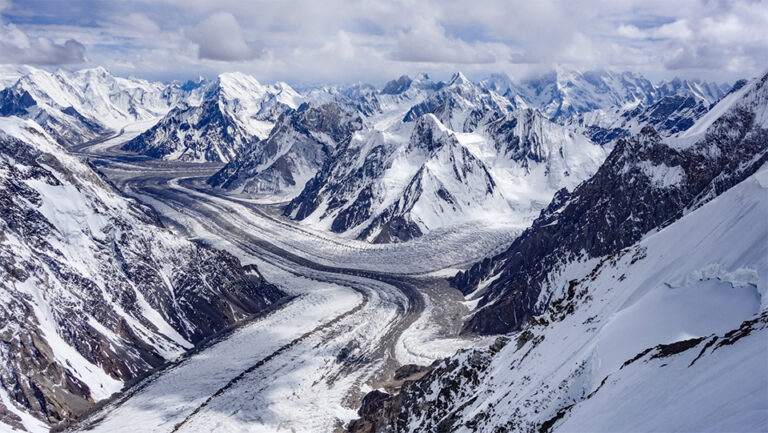
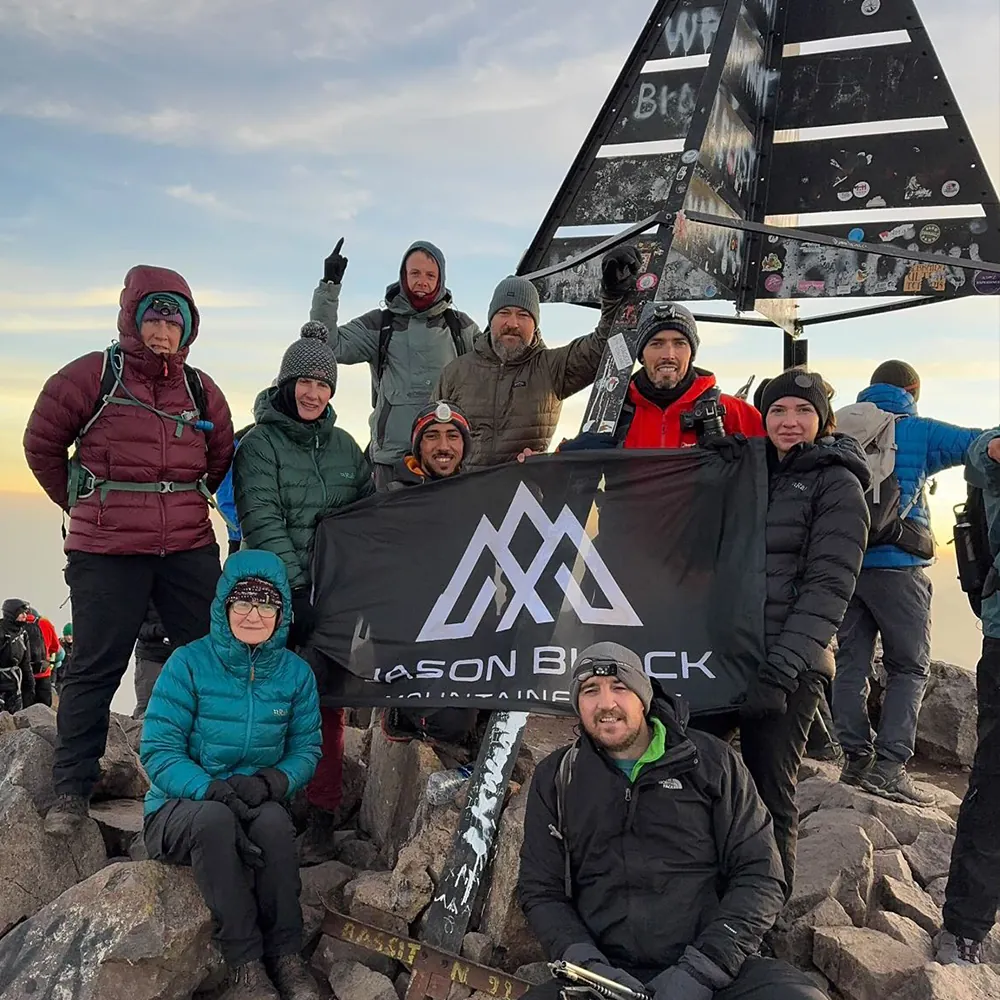
I have spent over 25 years leading teams on mountains across four continents, from the Mournes to Everest, from the Atlas to K2. In that time I have watched experienced professionals, elite athletes, and first-time climbers face the same moment. The mountain is not interested in your job title, your seniority, or your reputation. It is interested in one thing: how you decide when everything is telling you to stop.
That is the lesson the Ireland 4 Peaks Challenge delivers that no leadership programme in a conference room ever can.
What Fatigue Actually Does to Decision-Making
The science is clear and the lived experience confirms it. Sleep deprivation and sustained physical exertion degrade the prefrontal cortex, the part of the brain responsible for rational judgment, impulse control, and strategic thinking. After twenty-four hours without proper sleep, cognitive performance deteriorates to a level comparable to clinical impairment.
For executives, this matters beyond the mountain. High-stakes business decisions rarely arrive at convenient times. They arrive during crises, during travel, during periods of stress and pressure. The leader who has never trained their judgment under genuine fatigue is working with an untested instrument.
The Ireland 4 Peaks Challenge creates controlled conditions in which that instrument is tested, and tested hard.
Across four summits covering an accumulated elevation of 3,627 metres, participants navigate sleep deprivation, sustained physical output, unpredictable Irish weather, and the quiet but constant pressure of group responsibility. Every decision made between peaks matters. Pace. Hydration. When to push. When to ease. When to speak. When to listen.
These are not abstract leadership competencies. On the mountain, they have immediate and visible consequences.
The Four Summits and What Each One Demands
Slieve Donard — 850m — The Mournes, County Down
The challenge opens at 07:30am with a four-hour round trip on Slieve Donard, the highest peak in Ulster. The pace here is controlled and deliberate. This is where leaders set the tone for everything that follows. How they communicate in the first hours, how they manage their own energy, and how they position themselves within the team establishes the dynamic that will carry across the next thirty-six hours.
Overconfidence on Slieve Donard costs people Mweelrea. The mountain teaches restraint from the very first step.
Lugnaquilla — 925m — Wicklow Mountains, County Leinster
After a three-hour drive south, the team faces Lugnaquilla, the highest point in Leinster, with a five-hour round trip. By now the body is beginning to register accumulated load. Minor discomforts become louder. Hunger, hydration management, and foot care begin to separate those who prepared from those who assumed.
Leadership under these conditions shifts. The person who led confidently on Slieve Donard may need support on Lugnaquilla. Who steps forward to provide it without being asked is one of the most revealing moments of the entire challenge.
Carrauntoohil — 1,038m — MacGillycuddy’s Reeks, County Kerry
The night hike on Carrauntoohil is where the Ireland 4 Peaks earns its reputation.
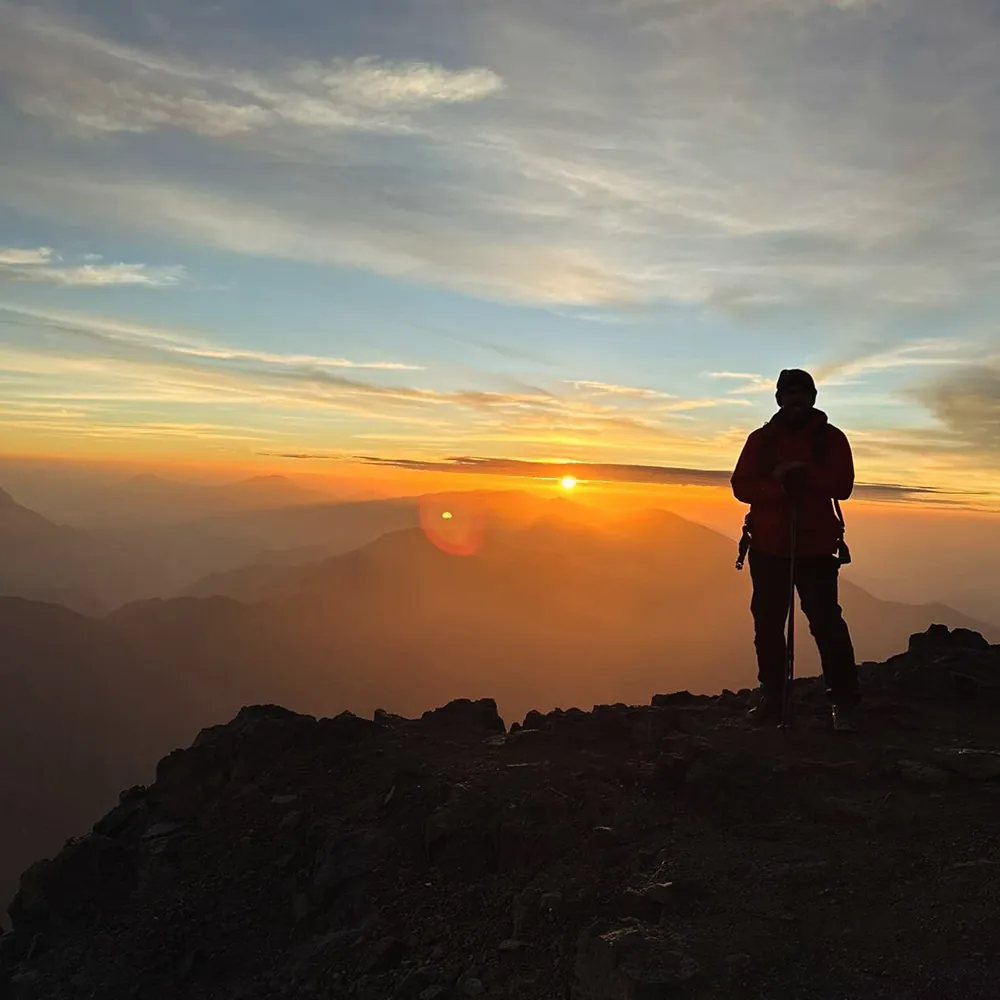
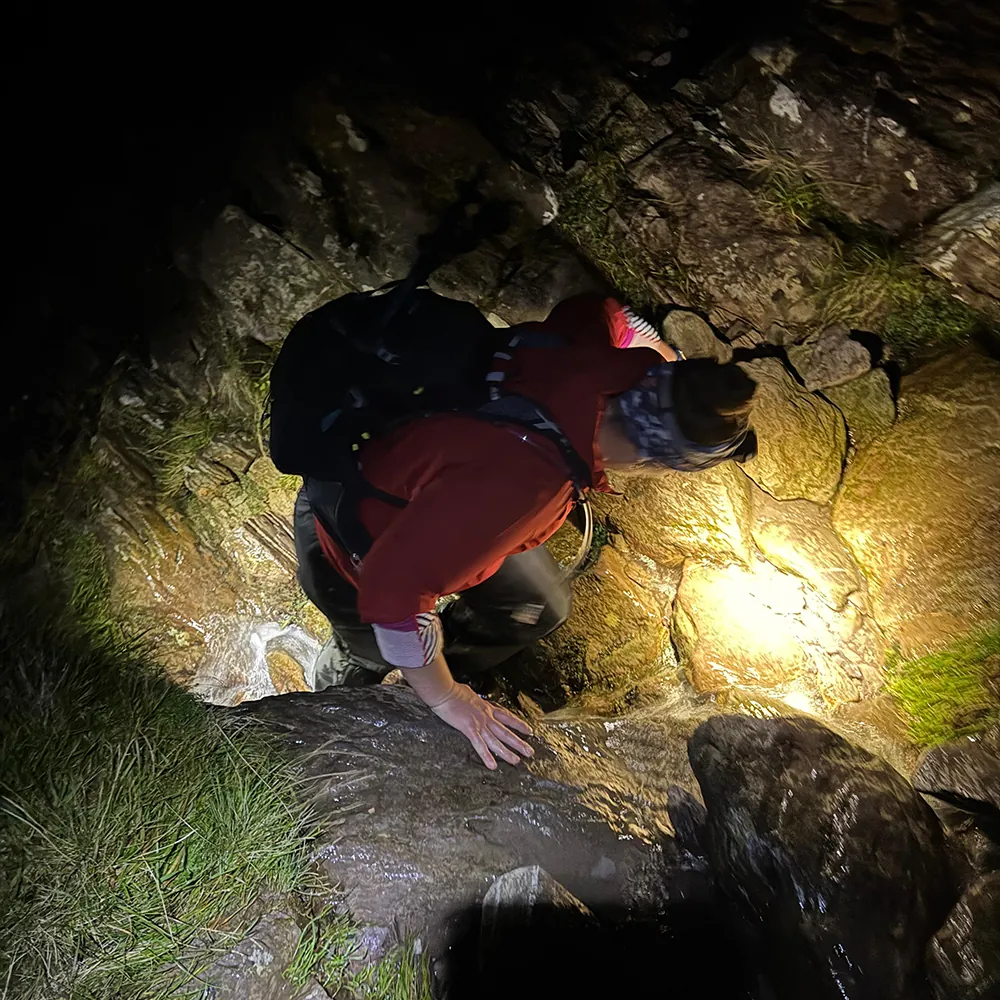
Ireland’s highest mountain at 1,038 metres, climbed in darkness, in weather that Kerry specialises in delivering, after a five-hour drive from Wicklow and however many hours of broken sleep on the bus. The headtorch beam is all you have. The team is what keeps you moving.
Decision-making under these conditions is stripped to its essentials. There is no performance. There is no impression management. There is only the next step, the person beside you, and the judgment call about whether to push or protect.
I have watched people become leaders on Carrauntoohil who had never thought of themselves that way. I have watched appointed leaders discover they needed their team in ways they had never anticipated. Both outcomes are valuable. Both are honest.
Mweelrea — 814m — County Mayo
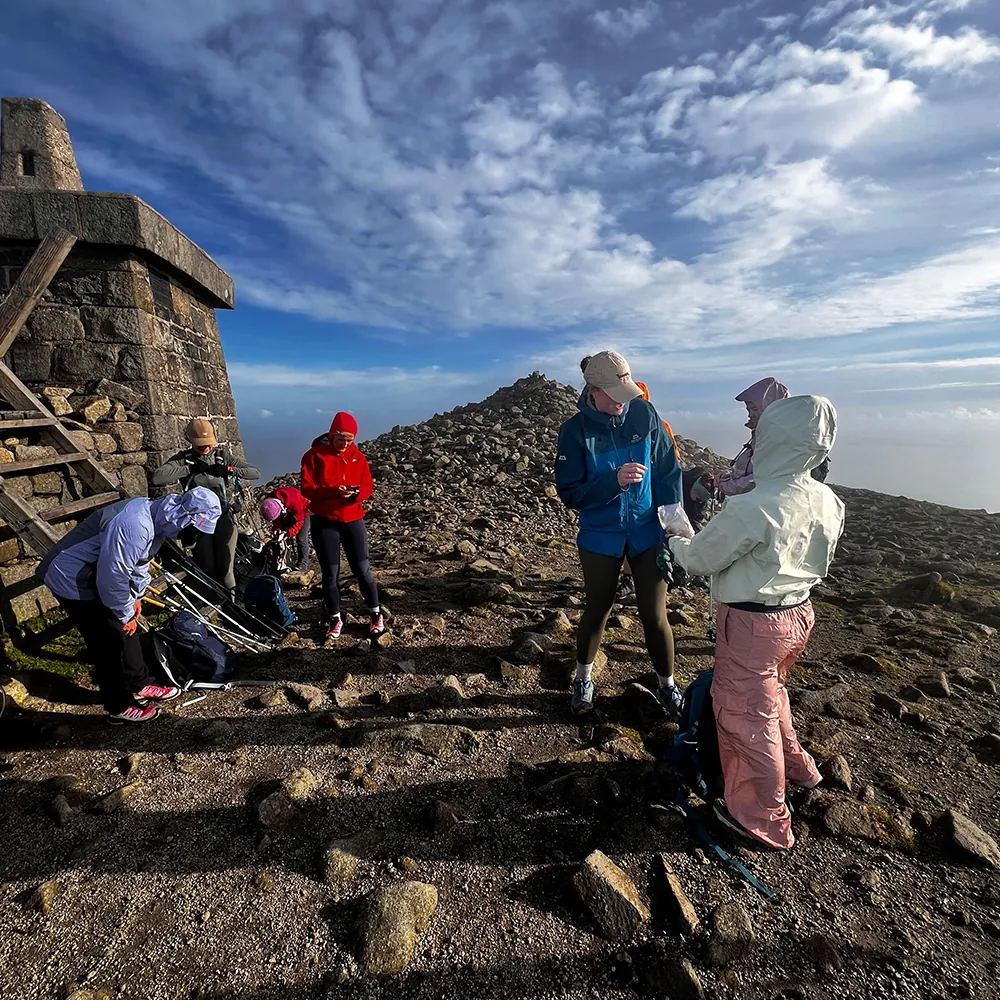
The final peak. Over thirty hours into the challenge. The legs are carrying accumulated fatigue from every previous ascent and descent. The mind is working on depleted reserves.
Mweelrea is where character is confirmed rather than revealed. Every choice made in preparation, in training, in nutrition strategy, in how each participant managed their team and their own internal state across the preceding hours, arrives on Mweelrea’s slopes with them.
Those who finish do not finish because they were the strongest at the start. They finish because they made better decisions, sustained better discipline, and supported their team more consistently across the entire forty hours.
That is the leadership lesson the mountain delivers.
Why Experiential Leadership Development Works Where Classroom Training Does Not
The corporate leadership training industry is substantial and well-intentioned. Frameworks, simulations, case studies, and facilitated workshops all have their place. But they share a fundamental limitation: the stakes are not real.
When fatigue is simulated, the brain knows. When pressure is manufactured in a safe environment, the nervous system does not fully engage. The decisions made in those conditions are not the same decisions the same person would make at 3am on a mountain with thirty hours of physical effort behind them and a team depending on their judgment.
The Ireland 4 Peaks creates real conditions. The fatigue is real. The weather is real. The responsibility to the team is real. And the decisions made within those conditions reveal something genuine about each participant that a workshop simply cannot access.
This is why companies return to this challenge year after year. Not because the scenery is dramatic, though Ireland delivers that without effort. Not because the medal is meaningful, though every person who earns it has genuinely earned it. They return because their teams come back different. They work differently. They trust each other differently. They understand each other’s limits and capabilities in a way that only shared difficulty can build.
What Qualified Leadership on the Mountain Looks Like
The Ireland 4 Peaks Challenge is not a self-guided endurance event. It is a professionally led national expedition with safety standards that match the seriousness of the challenge.
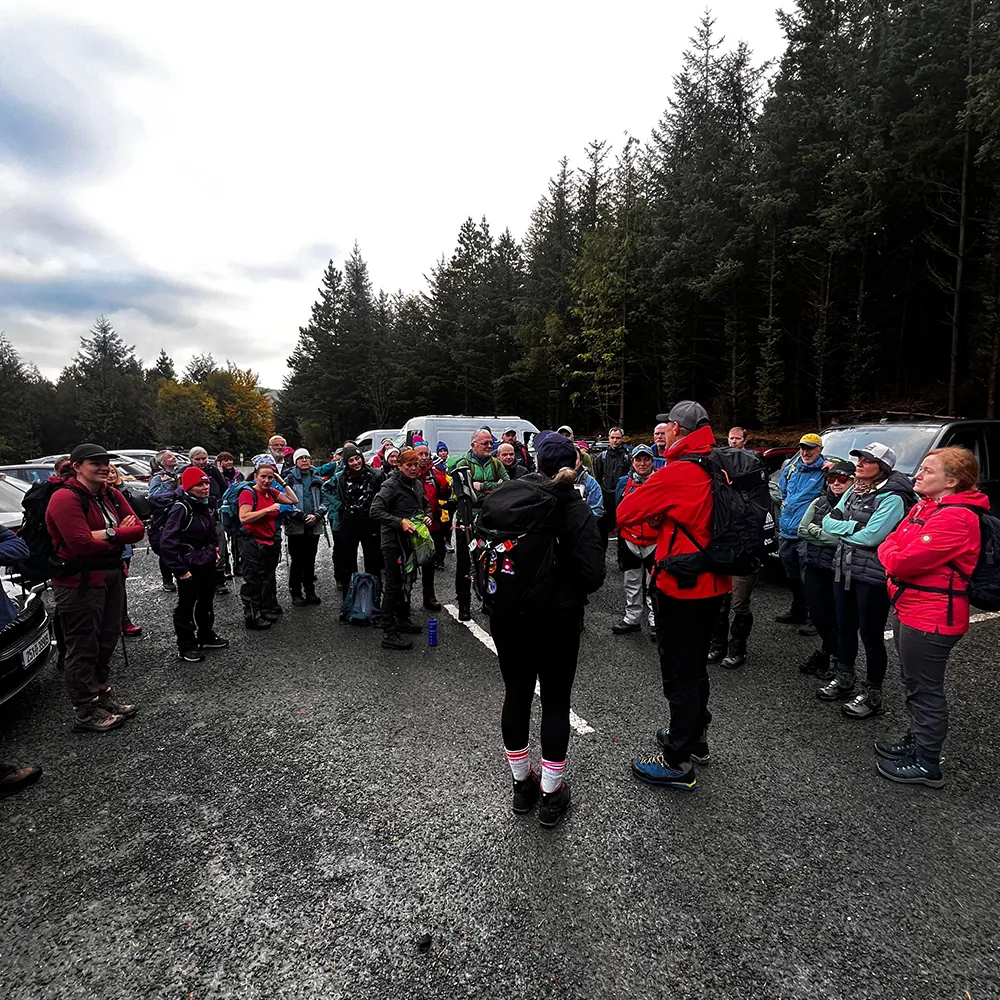
Every event is led by qualified mountain leaders and supported by wilderness first responders. The guide-to-client ratio is kept deliberately small to ensure that every individual within the group receives real leadership attention, not crowd management. Weather assessment and route decisions are made in real time by experienced leaders who have spent decades reading Irish mountain conditions.
This matters for corporate groups specifically. The safety framework allows participants to focus entirely on the leadership experience rather than logistics or risk management. The environment is controlled enough to be safe and demanding enough to be real. That balance is the result of over 25 years of expedition experience applied to the design of every aspect of the challenge.
Practical Preparation: What Leaders Need Before the Mountain
The Ireland 4 Peaks Challenge requires genuine physical preparation. It is not an event that can be approached without a structured training programme and expect a successful outcome.
The recommended preparation window is twelve weeks, covering progressive aerobic base building through Zone 2 running, hill repeat sessions that simulate real mountain terrain, strength training focused on joint protection for long descents, and extended weekend days on the hills that build the time-on-feet endurance the challenge demands.
Nutrition and hydration strategy require equal attention. Two litres of water per mountain summit, two litres between each summit, and electrolyte supplementation throughout. Mountain food and bus food are planned and packed separately. There are no resupply stops. What participants bring on Saturday morning is what sustains them through to Monday.
Gear must be tested before the start line. Boots broken in over weeks, not days. A layering system built for the variability of Irish mountain weather. Head torch with verified battery life for Carrauntoohil’s night ascent. A 20-litre daypack carrying only what is needed on each mountain.
The mountain rewards preparation with clarity. It responds to shortcuts with consequences.
Key Takeaways for Leaders Considering This Challenge
Real leadership judgment can only be tested under real conditions. The Ireland 4 Peaks provides those conditions without unnecessary risk, within a professionally managed framework built on 25 years of expedition experience.
Shared difficulty builds team trust that no facilitated session can replicate. When a colleague steadies you on a dark mountain at 2am, the professional relationship that follows is built on something genuine.
Preparation is itself a leadership practice. How a team approaches the twelve weeks before the challenge reveals as much about their culture as the challenge itself does.
Fatigue does not create character. It reveals it. What participants discover about themselves and each other on Mweelrea after thirty hours is information that becomes an asset back at sea level.
The mountain is honest. It does not reward seniority or status. It rewards preparation, discipline, and the capacity to make good decisions when everything is telling you to stop.
Conclusion: The Clarity That Comes at Cost
I have stood on the summit of Everest. I have reached the top of K2. I have led expeditions across some of the most demanding terrain on this planet.
And I will tell you this honestly: some of the most revealing leadership moments I have witnessed have happened not at 8,000 metres but on the slopes of Mweelrea in Mayo, in the rain, after thirty hours, with a team that had nothing left except each other and the decision to keep moving.
That is the Ireland. That is the mountain. That is what this challenge offers to every leader willing to prepare for it properly and face it with honesty.
The summit is not the destination. What you carry down from it is.