There is a moment on the second day of the Bulgaria 7 Summits traverse when the mountain stops feeling like a destination and starts feeling like a test.
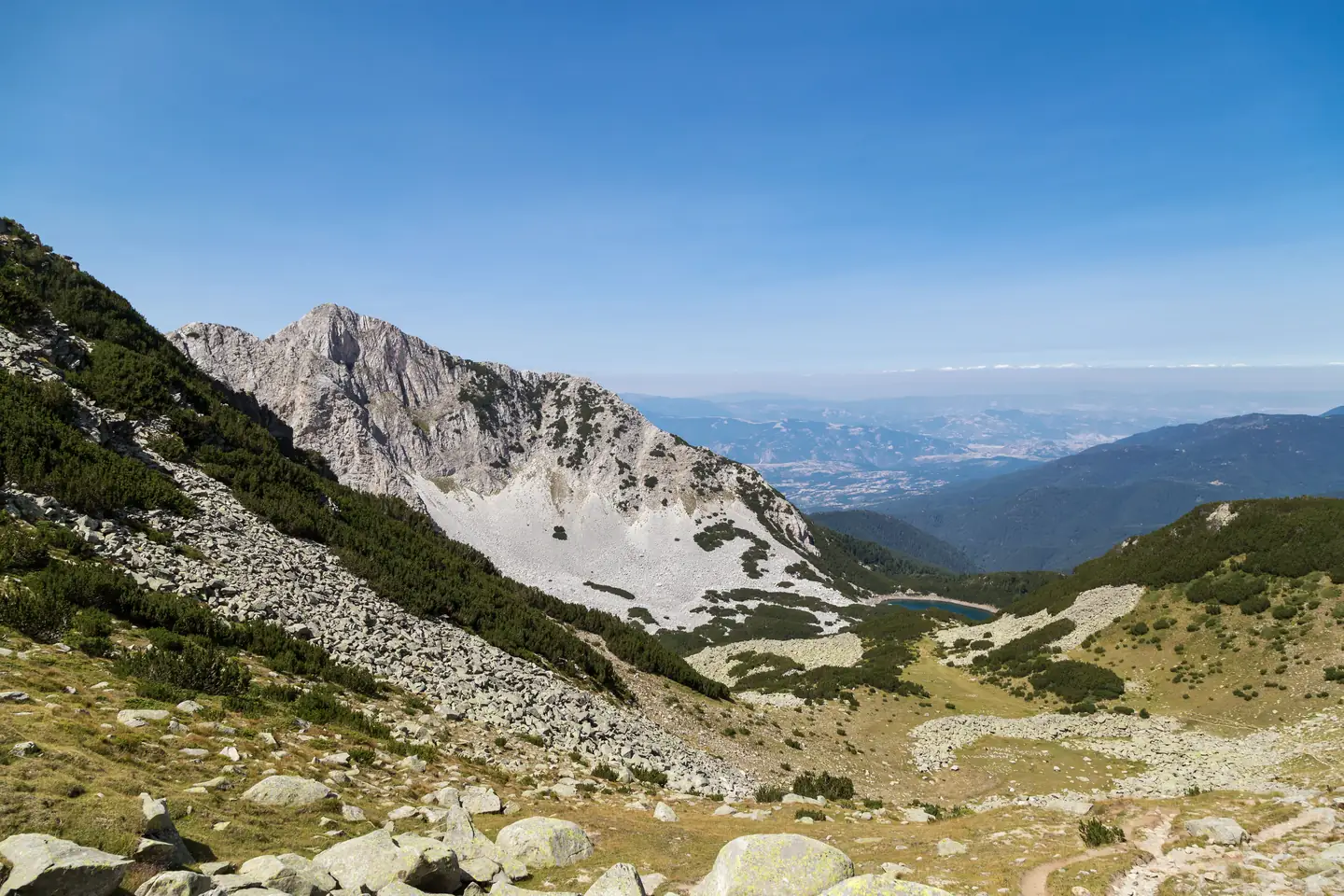
You are above 2,800 metres in the Pirin range. The trail has thinned out to almost nothing. The valley floor is a long way below. The next summit is visible ahead of you and there are five more after it across the following six days. Your legs are already talking to you and the hardest day has not arrived yet.
This is not the Alps. There are no crowds, no mountain restaurants, no groomed paths. This is Bulgaria. And it is one of the finest mountain experiences in Europe.
This guide answers the five questions I am asked most consistently about the Bulgaria 7 Summits challenge. The actual peaks. The real safety picture on Koncheto Ridge. The fitness level this traverse genuinely requires. What the mountain huts are like when you arrive at them tired. And when to go.
Read it carefully. The mountains reward preparation and they do not apologise for exposing the lack of it.
What Actually Are the Seven Peaks?
The Bulgaria 7 Summits links seven distinct summits across two national parks in southwestern and central Bulgaria. The traverse moves through the Pirin range first and then north into the Rila range, covering a total of eight days with the final summit being Musala, the highest point in the entire Balkan Peninsula.
Here are the seven peaks in order:
Polezhan — 2,852 metres The opening summit of the traverse. Accessed via lift to the Bezbog hut on Day 2, then a hike of five and a half to six hours with 950 metres of elevation gain. Polezhan sets the tone immediately. The views across the southern Pirin range from the summit are the first indication that Bulgaria has been quietly hiding something from the rest of Europe.
Bezbog — 2,645 metres Paired with Polezhan on Day 2. After tagging Polezhan, the route drops to Popovo Ezero lake for lunch before continuing to Bezbog. This is an efficient summit day that introduces you to the rhythm of the traverse: move early, summit by midday, recover in the afternoon.
Vihren — 2,914 metres The highest peak in the Pirin range and the gateway to the most demanding day on the expedition. Day 3 begins here before crossing Koncheto Ridge. Vihren is a serious mountain. Rocky, sustained, requiring solid footwork and cardiovascular fitness that has been built before you arrive. From the summit, Koncheto lies directly ahead.
Kutelo I and II — 2,908 and 2,907 metres These twin peaks sit on the far side of Koncheto Ridge and form the completion of the Day 3 loop. Reaching them means crossing the ridge first. Once you are through Koncheto and standing on Kutelo, the day’s technical demands are behind you. The descent back to Bansko is long but straightforward.
Malyovitsa — 2,729 metres The Rila range begins here on Day 5. The route starts from the Rila Lakes via chairlift and traverses Damga Peak and Dodov Peak before reaching Malyovitsa. Eight and a half to nine hours. 800 metres of elevation gain and 1,200 metres of descent. A long day with beautiful terrain.
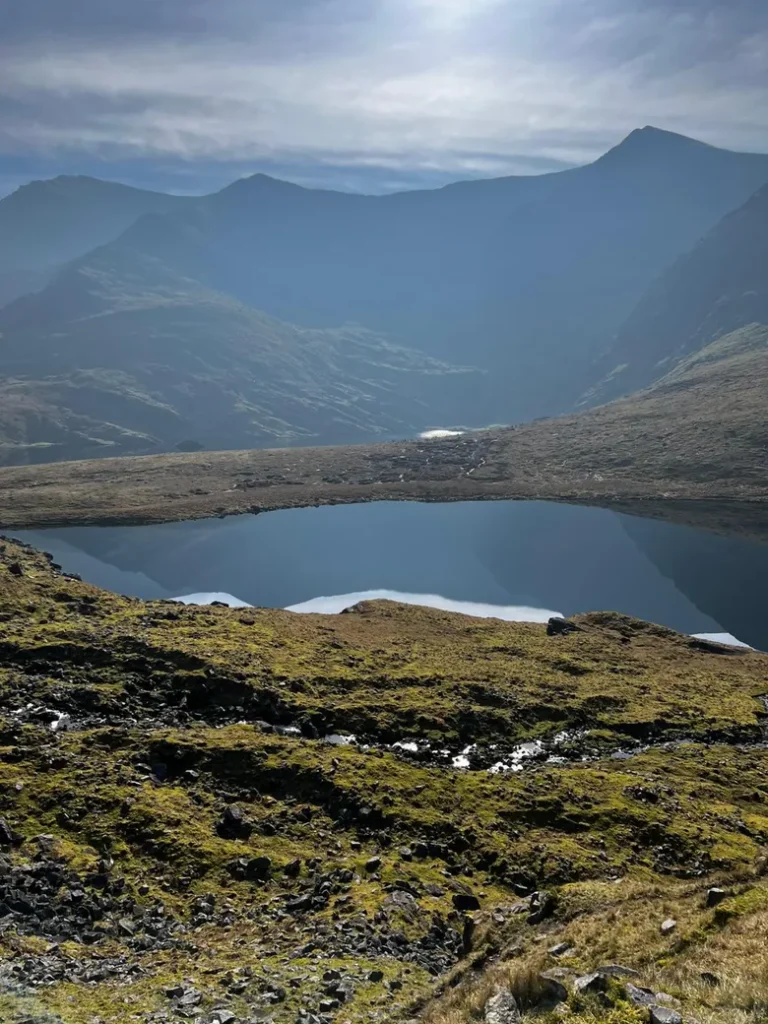
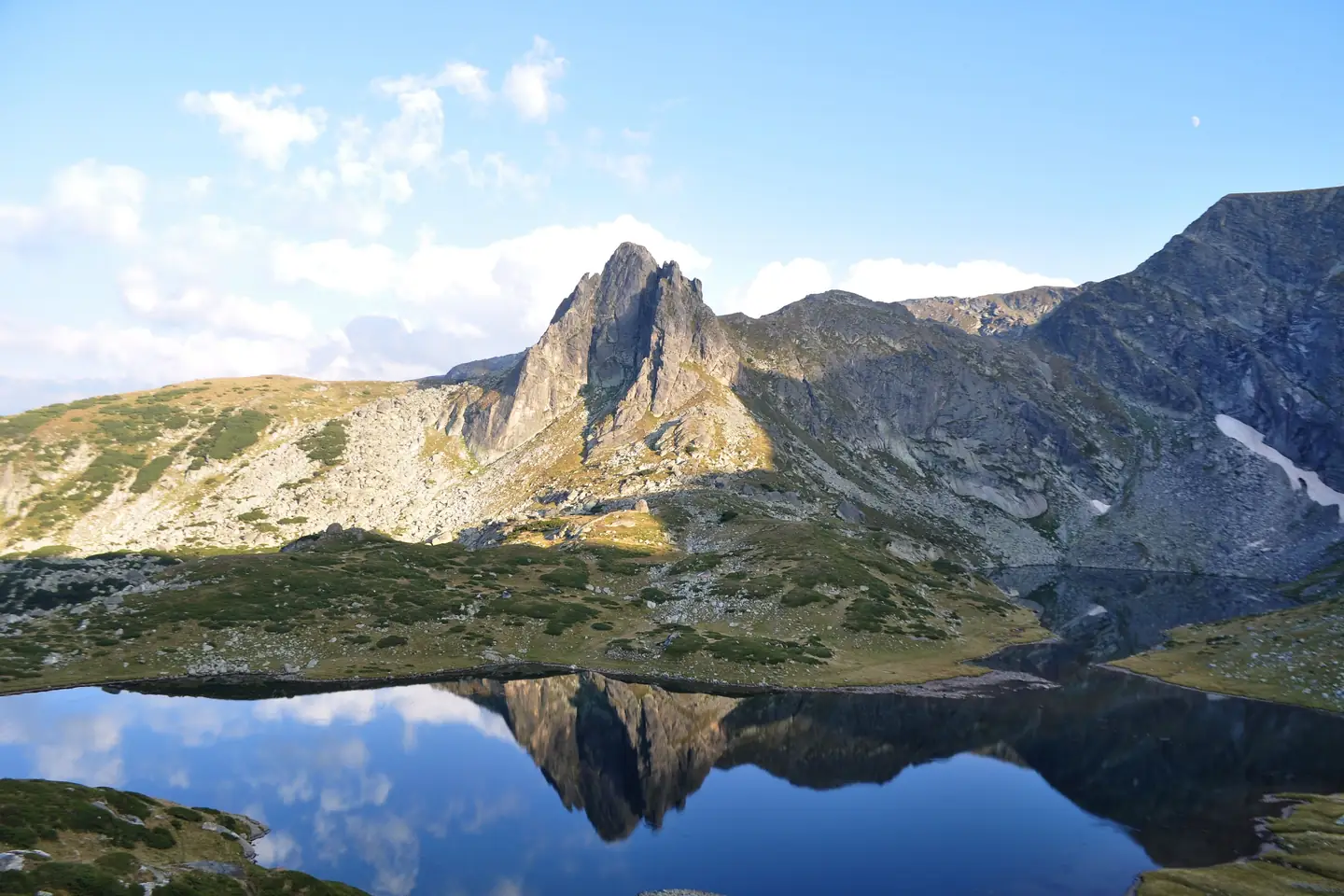
Popova Kapa — 2,698 metres Day 6 passes through Yonchevo Lake and the Strashnoto Lake, known locally as the Scary Lake, before reaching the summit. The name earns its reputation. The lake sits cold and still in a high rocky cirque and the approach to Popova Kapa from it is genuinely atmospheric.
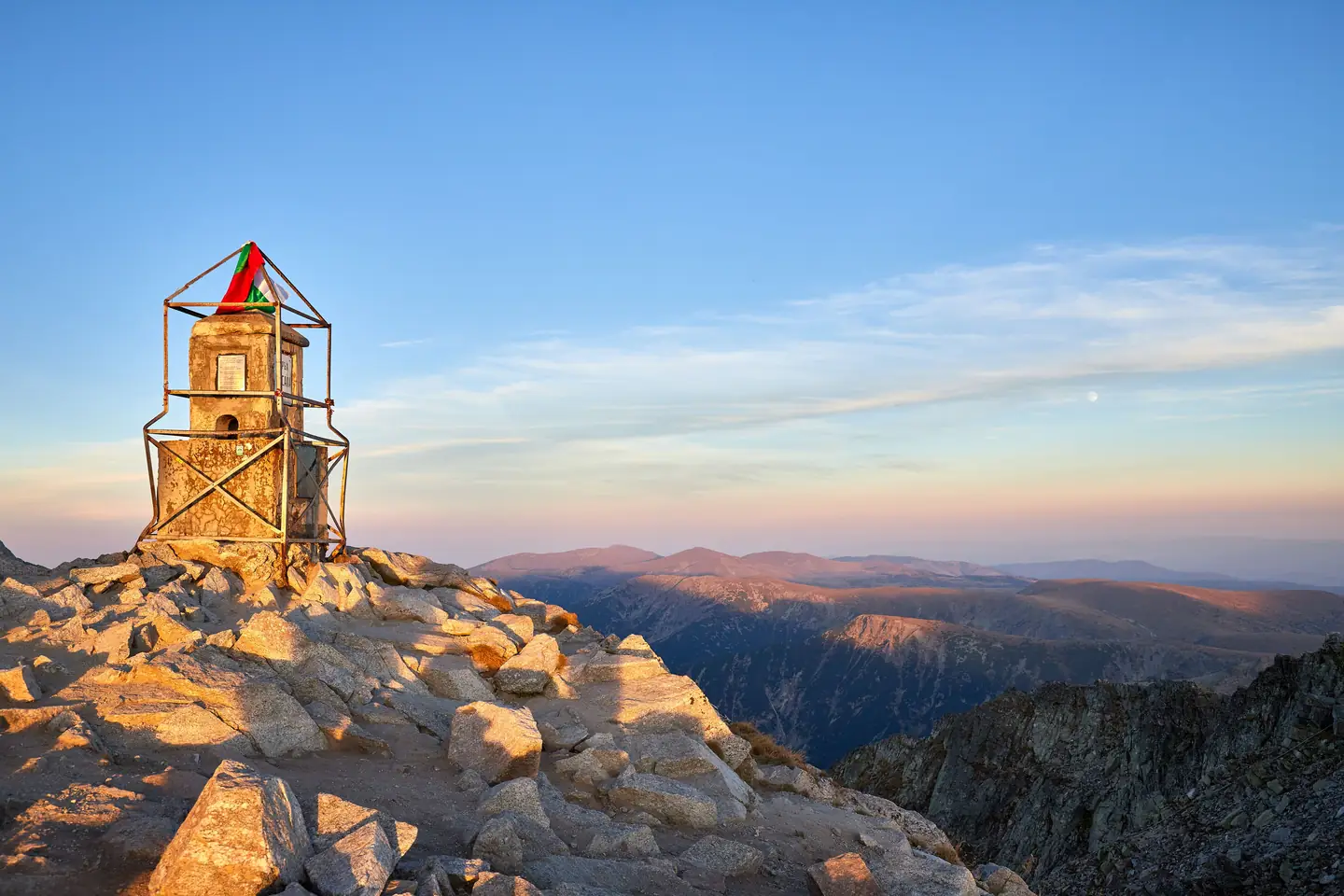
Musala — 2,925 metres The final summit and the highest point in the Balkans. Day 7 accesses Musala via gondola from Borovets to Yasterbets before a traverse that also takes in Aleko Peak and Lyudmil Yankov Peak. The descent returns to the lift through Ledeno Ezero shelter and Musala hut. Standing on Musala on Day 7 with six summits already behind you is the payoff for everything the preceding days have asked of you.
How Dangerous Is Koncheto Ridge?
This is the question I receive most often and it deserves a direct answer.
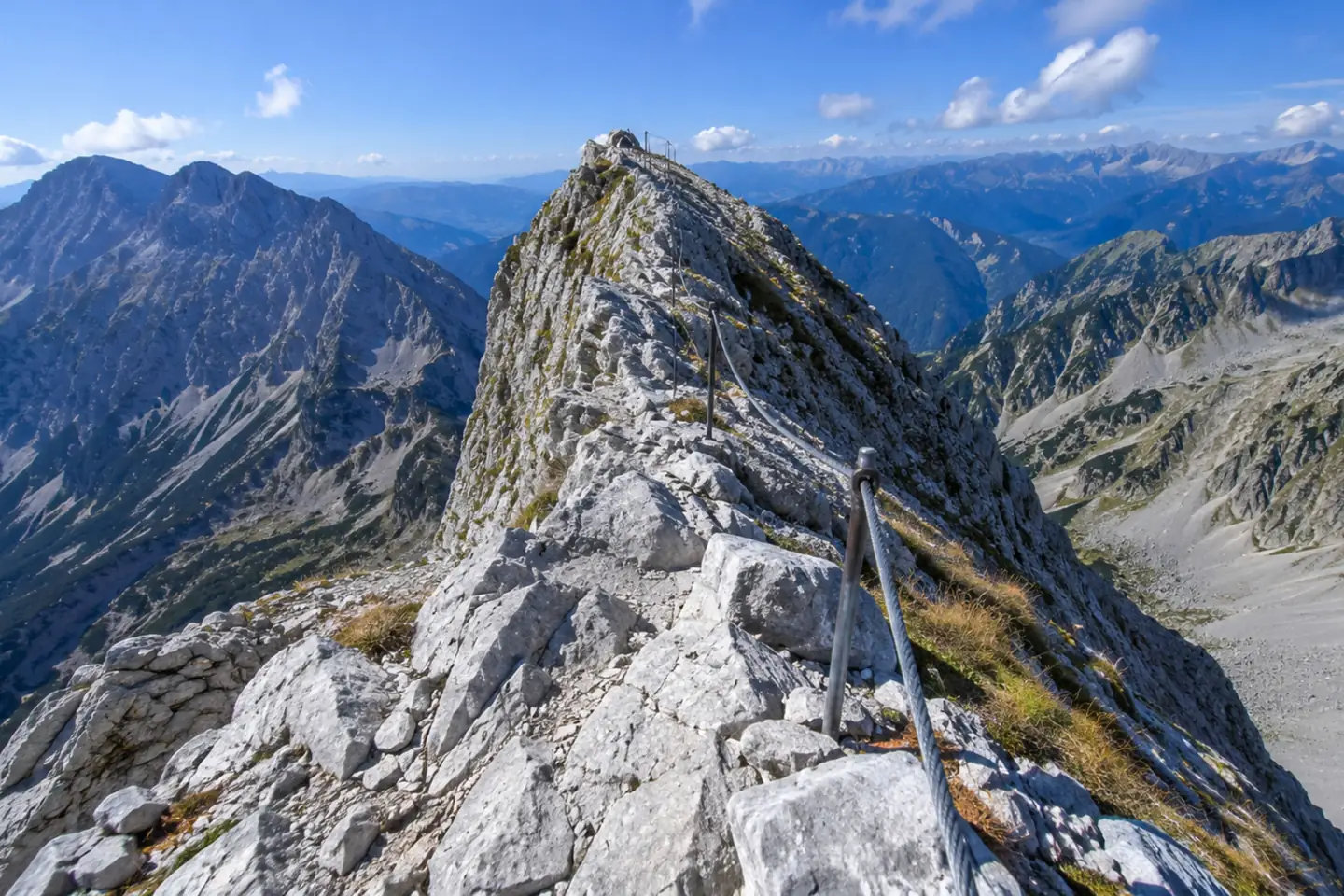
Koncheto is not a technical climb. You do not need ropes, harnesses, or prior mountaineering experience to traverse it. What you do need is solid footwork, a calm head under exposure, and genuine respect for terrain that does not forgive careless movement.
The ridge is made entirely of white marble, a geological feature unique to the Pirin range. In dry conditions the surface is grippy and manageable. In wet or icy conditions it becomes significantly more demanding and the decision to proceed is made by your guide based on a careful assessment of current conditions, not by a predetermined schedule.
Fixed steel cables run along the most exposed sections of the traverse. These are your primary safety aid and you use them with deliberate, controlled movement. One placement at a time. Weight properly balanced. Eyes on the next position before committing to the current one.
The exposure is real. The ridge drops away on both sides and on a clear day you are aware of both drops simultaneously. That awareness sharpens your focus rather than triggering panic, provided you have prepared adequately and you are moving with a team and a guide who know the terrain.
The elevation gain for Day 3 is 1,300 metres, the highest of any day on the traverse, with a total hiking time of nine and a half to ten and a half hours. This is the most physically demanding day on the expedition and it includes Vihren before Koncheto even begins.
The honest safety picture is this: Koncheto is serious mountain terrain that demands preparation, presence, and deliberate movement. It is not a place for rushed decisions or undertrained legs. With the right fitness behind you and experienced leadership in front of you, it is one of the most memorable traverses in European hiking.
Weather Is the Variable You Cannot Control
The Pirin range sits between Mediterranean and continental weather systems. In September, conditions can shift from clear morning skies to cloud, wind, and rain within a few hours. Wind on an exposed marble ridge at 2,900 metres amplifies cold significantly and changes the feel of the terrain beneath you.
Weather assessment before committing to Koncheto is non-negotiable. If conditions are marginal, the decision to hold or to route around the most exposed sections is made by the guide. That call is never subject to client pressure or schedule convenience. Safety margins are defined before pressure arrives.
What Level of Fitness Do I Need?
I will be direct with you here because the mountains will be direct with you on Day 1 regardless.
This traverse is classified as strenuous. Daily elevation gains range from 800 to 1,300 metres with six to ten hours of hiking every day for seven consecutive days. There are no full rest days built into the movement schedule. The terrain is consistently rocky, uneven, and demanding underfoot.
No technical climbing experience is required. Previous experience is beneficial but not essential. What is essential is genuine cardiovascular fitness, strong leg endurance, real back-to-back hill day experience, and the mental resilience to manage sustained fatigue as part of a team in conditions that may not cooperate.
The fitness standard is not punishing for its own sake. It is the minimum required to move safely and enjoyably through terrain that does not adjust itself to meet you.
What Preparation Actually Looks Like
The recommended preparation is a minimum of four significant hikes per month in the twelve weeks before departure. Six to eight hours at a steady pace, on consecutive days, carrying a loaded rucksack of around eight kilograms. Getting time on your feet consistently matters more than completing hikes quickly. This is about building stamina and endurance, not speed.
Supplement the hill work with at least two high intensity cardiovascular training sessions per week. Running, cycling, swimming, HIIT classes, whatever you will actually commit to. The type is secondary to the consistency.
If your leg strength is a weakness, add strength training. Developing muscle mass protects your joints and this matters most on the long descents that follow every summit day.
A structured twelve-week training plan is provided with the expedition. It covers Zone 2 running, hill repeats, HIIT sessions, and progressive strength work. Use it.
What Are the Mountain Huts Like?
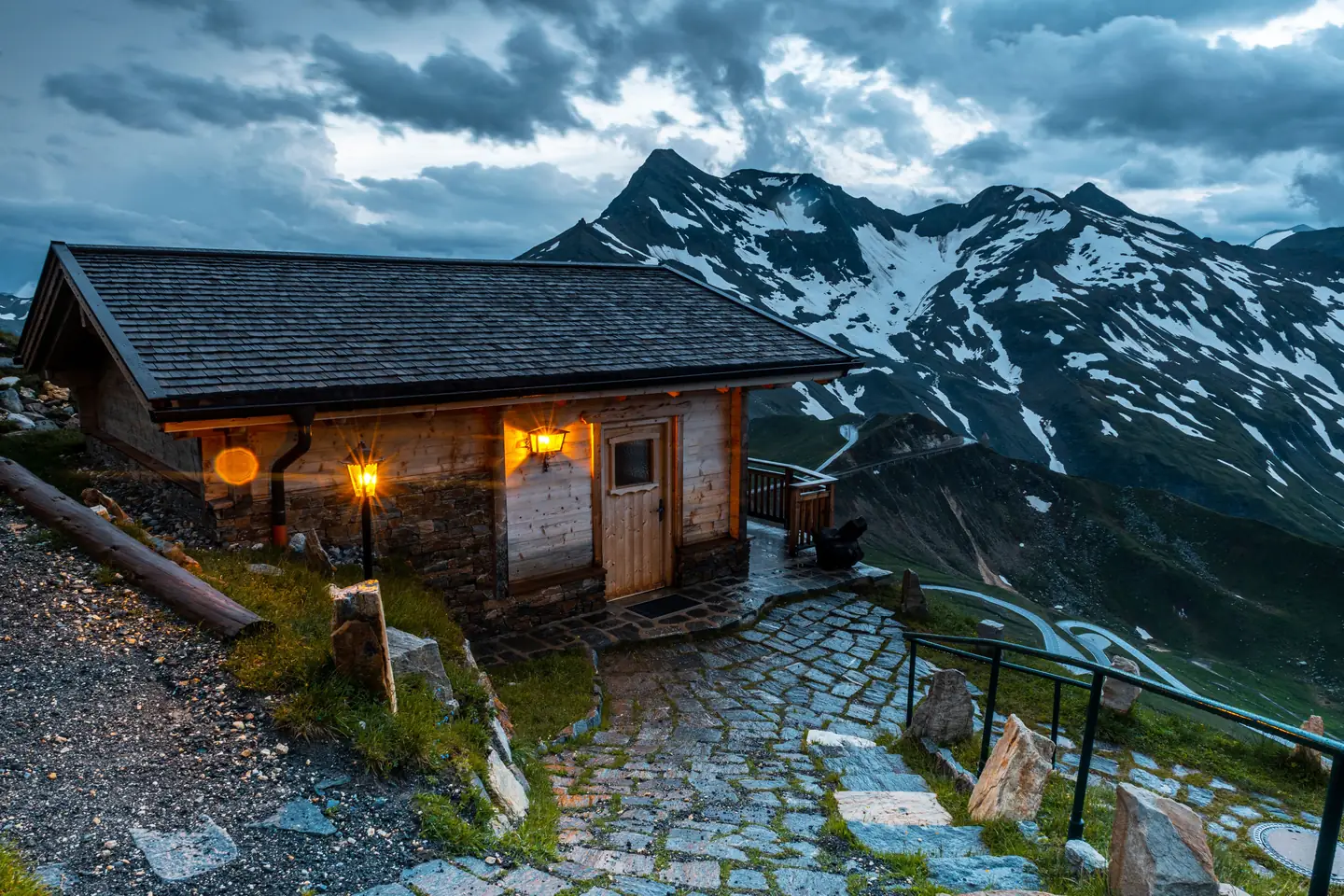
The Bulgaria 7 Summits is a hut-to-hut expedition in the truest sense of the phrase. Accommodation throughout the traverse is in three-star family-run hotels and guesthouses rather than basic mountain refuges, which distinguishes this route from more austere alpine traverses.
Seven nights are included in double rooms with private bathrooms. Meals are similarly substantial: seven breakfasts, two full lunches, five packed lunches, and seven dinners. This is not freeze-dried expedition food eaten in a tent. This is traditional Bulgarian mountain cuisine served at a table at the end of the day.
The cultural texture of where you stay is part of what makes this traverse different from a standard alpine route. The guesthouses are family-run businesses in mountain villages and small towns. The food reflects the region. The evenings have a local quality that you do not find on commercially developed trail systems.
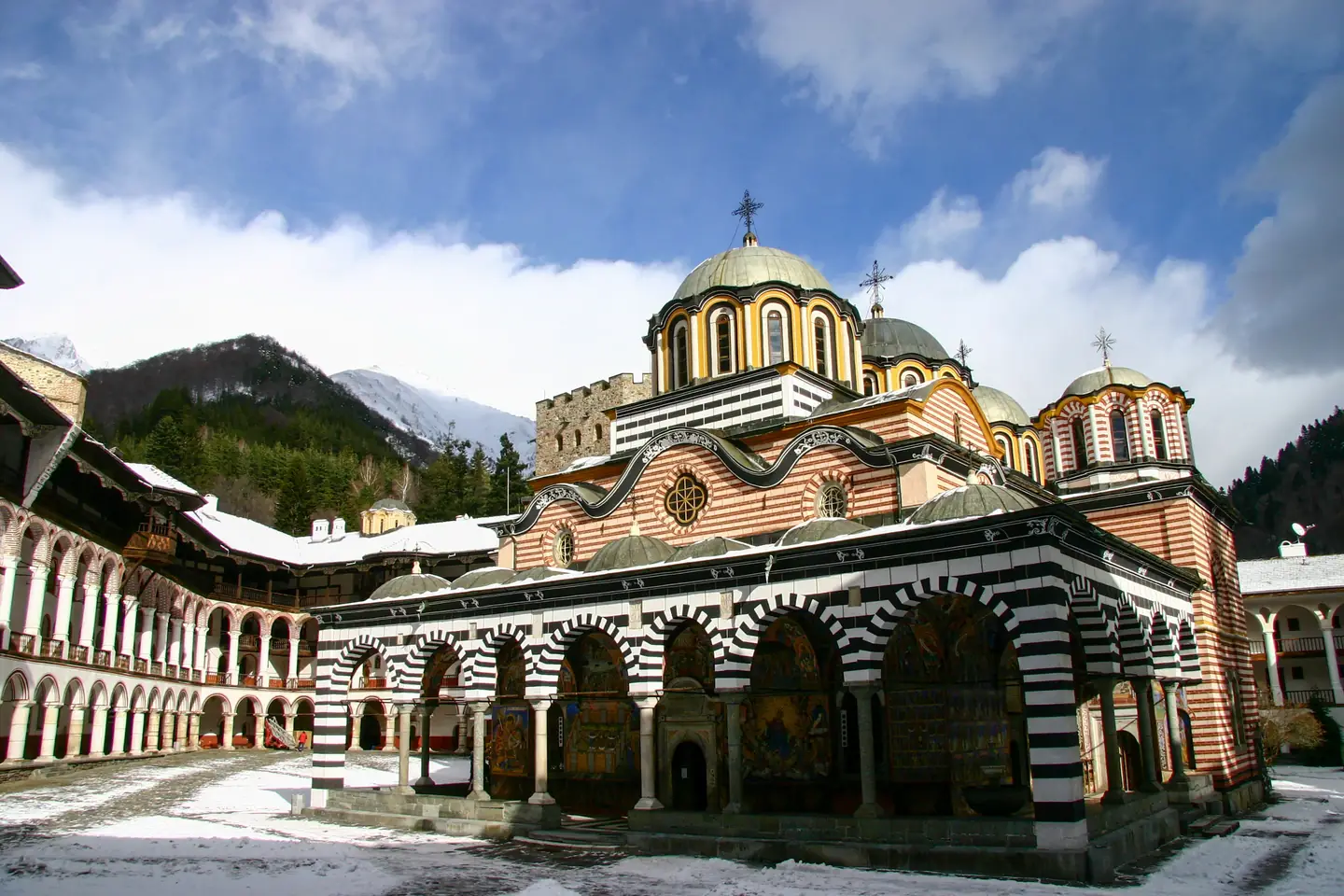
Day 4 is the expedition’s deliberate recovery point. After two demanding days in the Pirin range, the itinerary takes the team to Rila Monastery, a UNESCO World Heritage Site founded in the tenth century, and then to Sapareva Banya for an afternoon in natural thermal mineral pools. This is not a concession to softness. It is intelligent expedition design. The body needs what Day 4 gives it before Days 5, 6, and 7 begin.
When Is the Best Time for the Bulgaria 7 Summits?
The expedition runs in autumn, specifically September, and this timing is deliberate.
September in the Pirin and Rila ranges offers stable daytime conditions, cooler temperatures that are well suited to sustained high-output hiking, and the visual reward of early autumn colour in the forests below the ridgelines. The trails are clear of snow at summit level in September under normal conditions. The days are long enough to complete the required hiking windows comfortably.
Summer heat in July and August creates its own challenges on sustained alpine terrain. The high Pirin in particular retains warmth at altitude in a way that makes long days more taxing than necessary. September removes that variable while keeping the trails in full condition.
Winter snow arrives progressively through October and November at these elevations, making September the optimal window for the traverse in terms of conditions, daylight, and trail access.
The 2026 expedition date is 5 to 12 September. This is the single annual window for the Bulgaria 7 Summits with Black Mountaineering. It does not repeat.
Key Gear Checklist for the Bulgaria 7 Summits
Footwear Robust hiking boots with solid ankle support and proven grip on rocky terrain. Well broken in before departure. No trail runners.
Layering System Moisture-wicking base layer. Warm mid-layer fleece or light synthetic insulation. Waterproof jacket with helmet-compatible hood. Waterproof trousers in the pack regardless of the forecast.
Hands and Head Hat and buff. Two pairs of gloves including one spare dry pair. Wind at elevation is colder than it appears from below.
Safety Essentials Headtorch with fresh batteries. Personal first aid and blister kit. Emergency bivvy bag and whistle. Fully charged phone in a waterproof pouch with a power bank. Two to three litres of water capacity. High energy snacks for summit days.
Documents and Admin Valid passport with minimum six months validity. Travel insurance covering hillwalking and scrambling up to 3,000 metres including medical and helicopter evacuation. Policy details carried on the mountain.
Conclusion: What the Bulgaria 7 Summits Actually Gives You
Eight days in the Pirin and Rila ranges will show you something about yourself that a weekend in the hills cannot replicate.
The consecutive summit days accumulate in a particular way. By Day 5 you are not the same hiker who arrived in Sofia. Your pace has changed. Your reading of terrain has sharpened. The team around you has become something more than a group of people who booked the same expedition. You have moved through marble ridges and glacial lakes and ancient forests and UNESCO monasteries and thermal pools together. The mountain has tested every member of the group and you have all answered.
That is what the Bulgaria 7 Summits offers that most European alpine experiences do not. Not just altitude and scenery, although both are exceptional, but a sustained test across eight days that builds something in you that stays.
The Balkans have been here for millennia. The crowds have not found them yet.
Rise with the mountain.