Mt. Everest Mental Resilience in the Death Zone: How to Stay Calm When It Matters Most
At 8,848 m, the mountain does not care about your title, your salary, or how many people report to you. It cares whether you can make the next good decision with a slow brain, your mental resilience, numb hands, and a long way still to go.
I have spent more than two decades working at high altitude, and my own story began long before Everest. I have watched strong, successful people arrive at Base Camp fit and capable. Then they discover that fitness was never the whole question. The harder question is what happens to your judgement when the air thins, the cold gets into your thinking, and a summit window starts to close.
This guide comes from the way we lead our Mt. Everest South Route expedition, and it is written for people who spend their working lives making decisions under pressure. Everest will test that habit in ways a boardroom never can. The skills are learnable, though, and they are built long before you land in Kathmandu. If you want the logistics alongside the mindset, our step-by-step guide to summiting Everest and our Everest expedition advice library cover the rest.
What the Death Zone Does to Your Thinking
Above roughly 8,000 m, the body stops adapting and starts slowly running down. You move slower. Simple tasks take longer than they should. Small mistakes arrive quietly, a glove dropped, a carabiner half clipped, a radio call misheard.
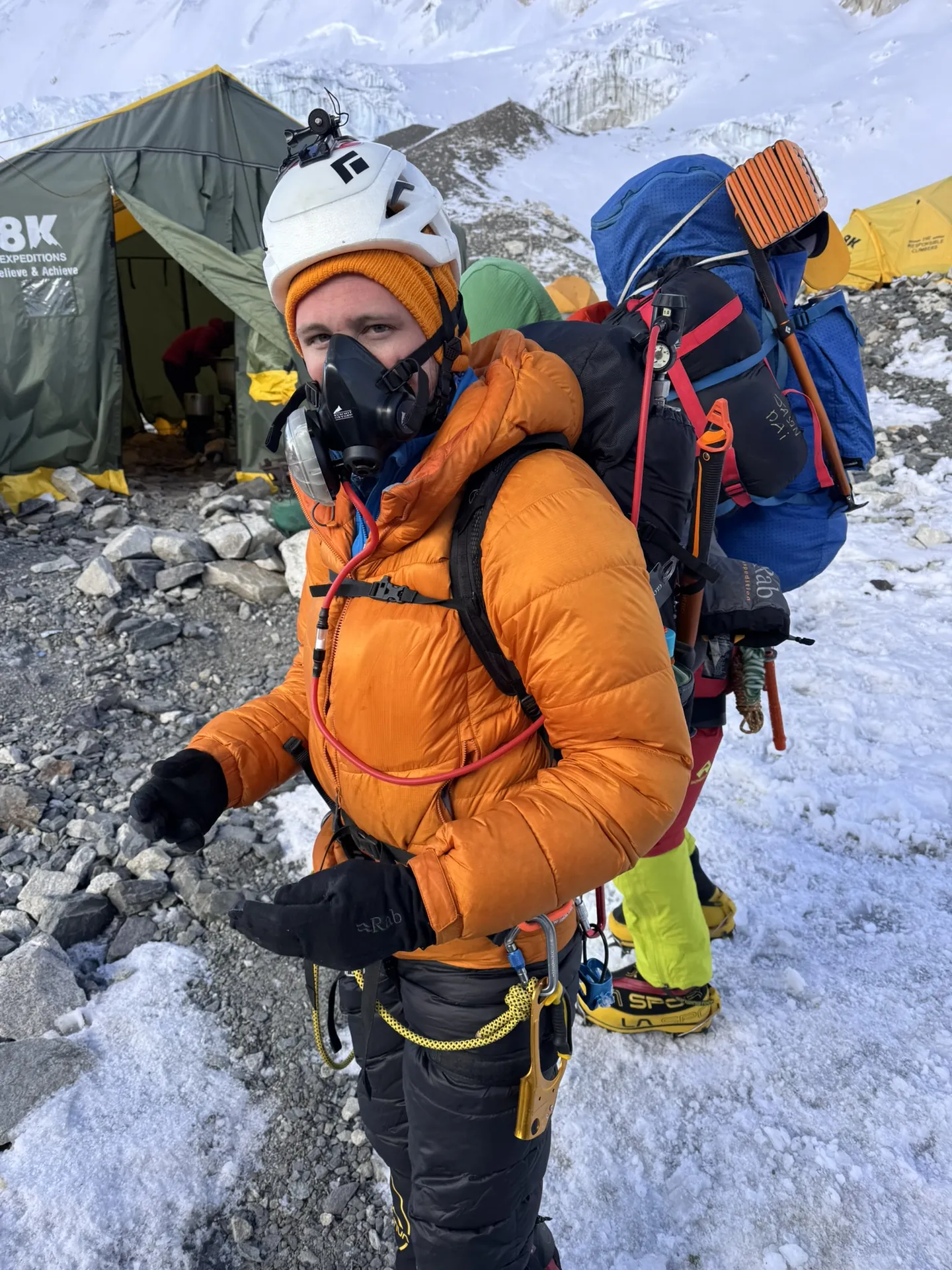
On our South Route expedition we use supplemental oxygen from the climb to Camp 3 onward, and every climber trains with the mask and regulator before it matters. Oxygen helps. It does not make the mountain easy, and it does not remove cold, fatigue, or fear from the equation. Our guide to dealing with high altitude sickness covers the physical side. This piece is about what the altitude does to your head.
The real danger up high is rarely drama. It is a tired mind that wants discomfort to end and starts agreeing with whatever ends it fastest. Cold narrows your attention. Fatigue shrinks your patience. If you have never noticed how your own judgement bends under those two pressures, the death zone is a poor place to find out. We grade this expedition very difficult, and our expedition grades page shows how we grade every climb we lead.
Decide Before the Mountain Decides for You
Set your rules while you are warm and rested.
The best decisions on Everest are made at Base Camp, over tea, with a full stomach and a clear head. Weather limits, pacing, turnaround times, and the conditions under which we stop are all agreed upon before we climb. On the mountain, the lead guide’s calls on weather, pacing, route, and turnaround are final, and every climber knows that on day one.
If you work in a high-pressure career, you know the feeling of making a call with half the information and a deadline breathing down your neck. That instinct has served you. At altitude it can hurt you because the stress is physical and your instincts are running on less oxygen. Pre-agreed rules take the argument out of the moment. You are not deciding whether to turn around at 8,600 m. You decided weeks ago, and now you are simply following your own good judgment.
Turning around is a skill, and we write about it often. Read knowing when to turn back and the real reason most high altitude climbers turn back before you commit to a summit window. We plan around the spring season, and why everyone climbs Everest in May explains the reasoning.
Trust the system around you.
We keep the team deliberately small, and one climbing Sherpa stays beside each climber from Base Camp to the summit and back. That is not a luxury. It is a second set of eyes on you when yours are tired. Our forecasts come from Meteotest in Bern throughout the expedition and shape every movement and the summit window itself. Every climber has two medical checks at Base Camp before any summit attempt, and a written crisis management plan sits behind every expedition we run.
Learning to lean on that structure is part of the mental work. Many capable people find it hard to hand over judgment. On Everest, accepting help early is a sign of experience, not weakness.
The Long Middle: Patience at Base Camp
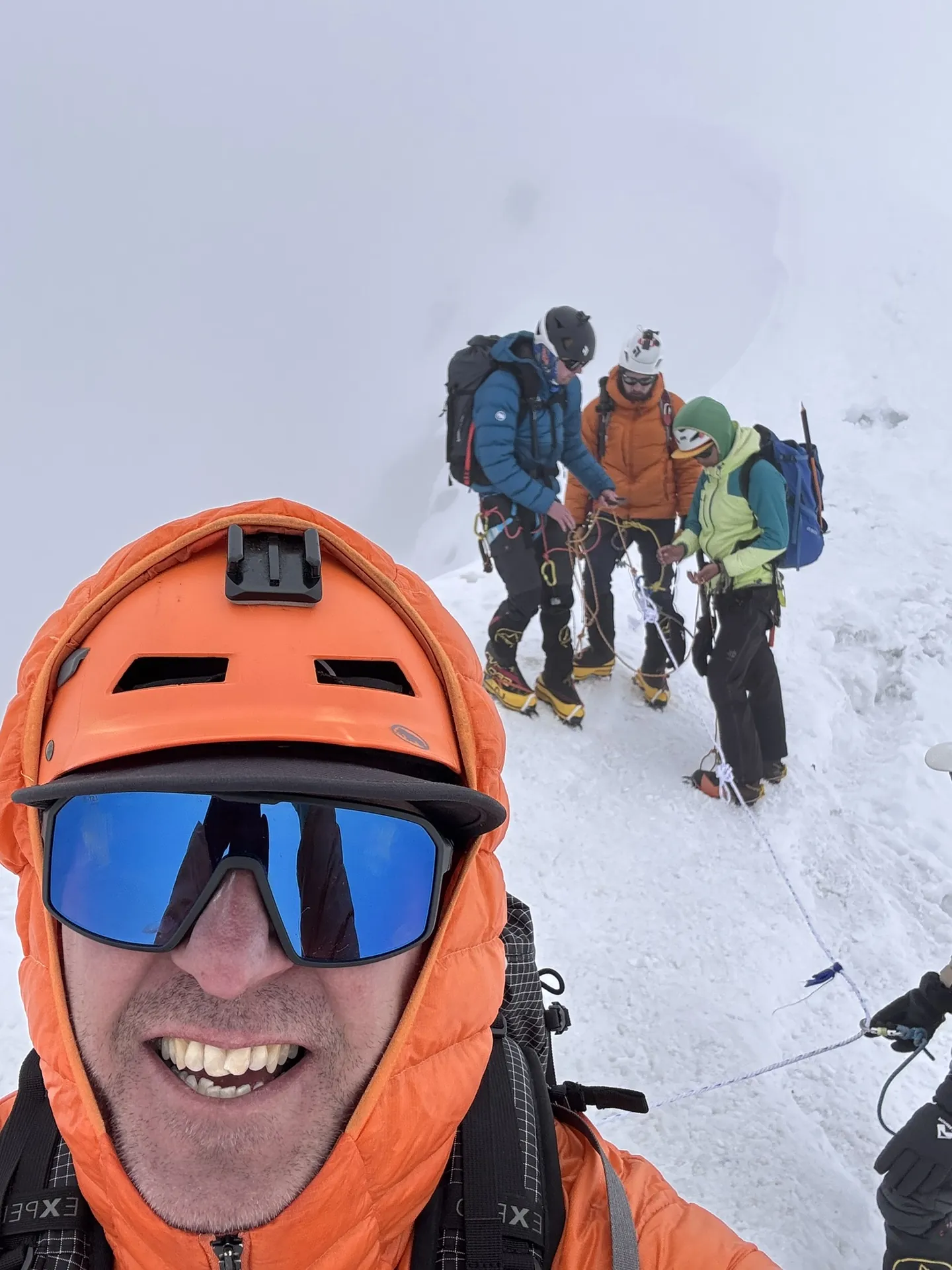
Most people imagine the summit. Fewer picture Days 10 to 32, the three weeks of acclimatisation rotations through Camps 1, 2 and 3. We climb high, return to Base Camp at 5,364 m, and rest. Then we do it again. Daily activity runs about 7 to 10 hours when we are moving, and the days in between are quiet, cold, and repetitive.
For high performers, this stretch can be the hardest. There is nothing to optimize, nothing to push, and no result to chase. You wait. You rest. You eat when you are not hungry and sleep badly in a tent in the Khumbu. Waiting properly is a skill, and rest is part of the work, not a pause from it.
If you want to feel that altitude before you commit to the full climb, our Everest Base Camp standard route trek walks you into the Khumbu and gives you days at height to learn how your own mind behaves. Our advice on how to prepare for the Everest Base Camp trek and how fit you really need to be will help you plan it.
Low days will come. Doubt arrives, homesickness arrives, and sometimes a flat grey mood arrives that has nothing to do with the mountain. That is normal, and I say so at the start of every expedition. Say it out loud to your leader or your tent mate. Silence makes a hard day heavier, and a shared word makes it lighter. I write more about this in climbing as collective care and in mountaineering, purpose and mental health. Mental health on an expedition is part of safety, and we treat it that way.
Calm is a skill you practice.
Find the gap
Between something happening and your reaction to it, there is a small space. On Everest, widening that space is the difference between a clean response and a rushed one. Slow your breathing before you speak. Look at the problem before you touch it. A few seconds of stillness on a fixed line costs almost nothing, and it can prevent a long chain of mistakes.
One task at a time
When the day feels enormous, shrink it. Clip the carabiner. Check the anchor. Take the next step. Then the next. Nobody climbs Everest in one thought. You climb it in thousands of small, completed actions, each one done properly. Professionals who are used to holding ten problems at once often struggle here at first and then find a strange relief in it. Our posts on how to stay focused and motivated on tough climbs and balancing physical strength and mental toughness go deeper on this.
Name the fear
Fear is information. Pretending it is not there makes it louder. Name it quietly, tell the person beside you, and ask what it is pointing at. Often it is pointing at something real: a cold hand, a tight boot, or a feeling that the weather has changed. On our expeditions, reporting distress immediately is mandatory, and that rule exists because honest early communication solves problems that silence turns into emergencies. If you lead people for a living, the parallels are close, and I set them out in leadership lessons for executives.
Practise discomfort on purpose
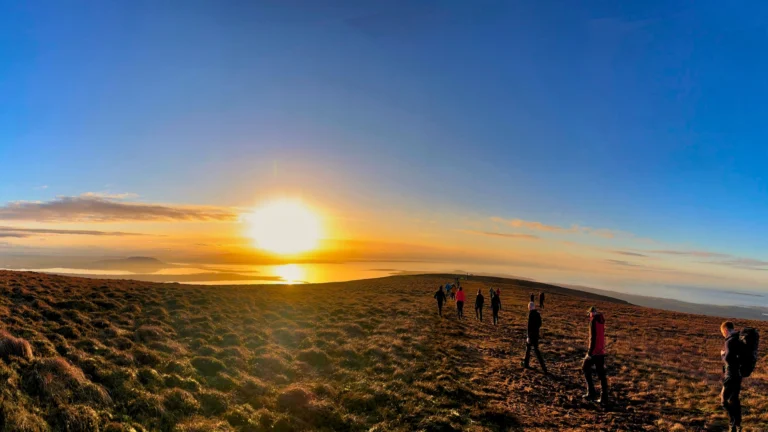
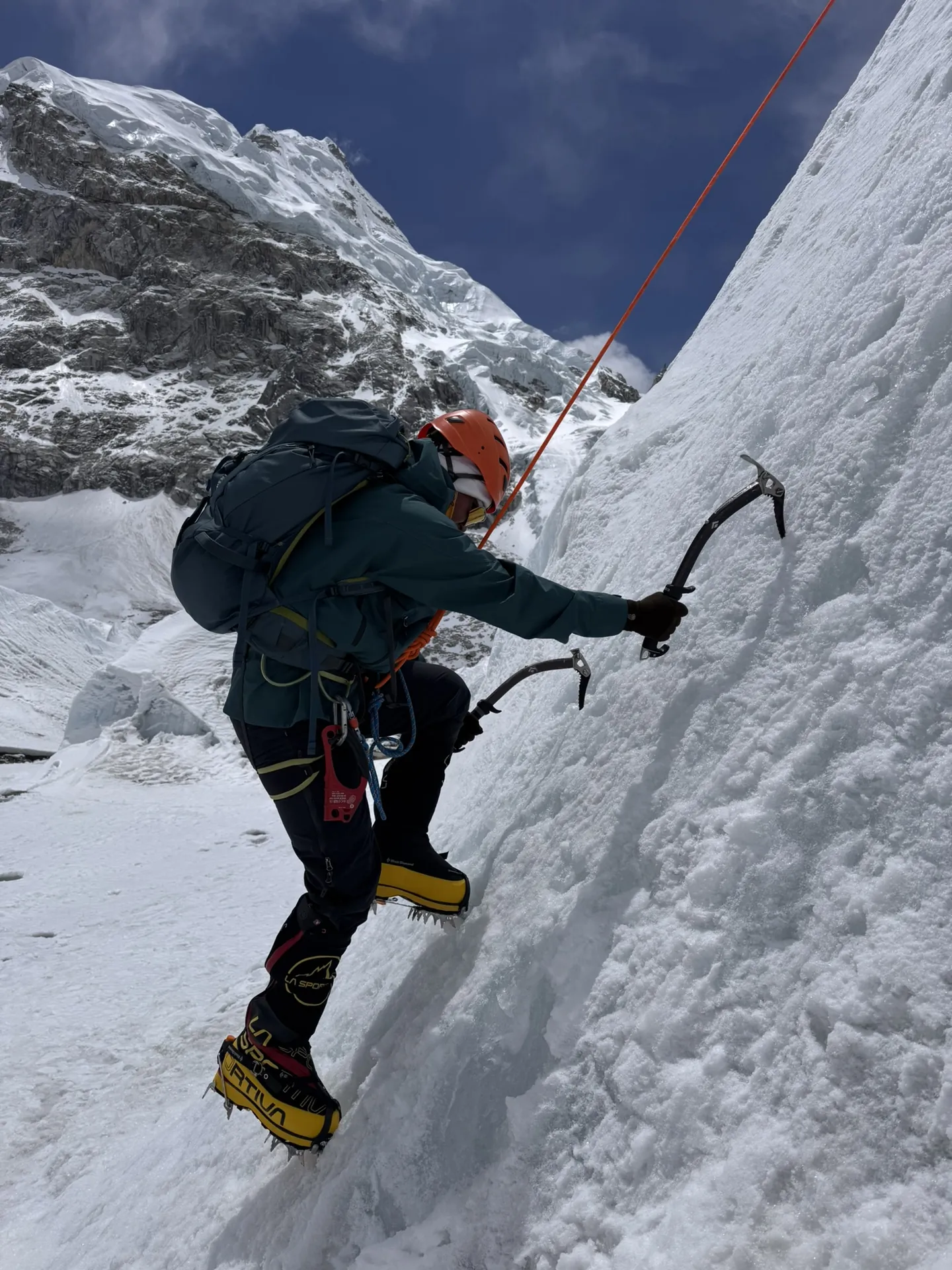
Cold, wind, and fatigue are not strangers if you have met them in training. Walk in bad weather. Our Ireland Winter Hiking Series gives you short days, wind, and rain to test your layers and your ability to stay organized when you would rather quit. If your fundamentals need work first, our mountain skills programme and the Beyond the Hike mountain skills course one and course two are the places to start. Everything you will rely on boots, socks, pack, poles, and food should be tested long before departure. Every unknown you remove in training is one less source of stress at altitude.
Training the Mind Alongside the Body
Our Everest preparation follows a 16-week training plan in four phases: Foundation, Build, Specific, and Peak and Taper. The plan builds long hill days from 2 hours to a peak day of 7 to 8 hours, and adds a two-day simulation before the taper. The mental benefit hides inside the physical structure.
Back-to-back days teach you to perform again on tired legs, which is exactly what summit week asks. Long loaded days teach you what your mind does at hour six when everything hurts and the finish is still far off. The taper teaches restraint, because arriving fresh matters more than one last heroic session. For the wider picture, read our guide to preparing your body for mountaineering, how to be better at mountain climbing and our fitness advice.
One line from our training guide sums it up: “Move well. Recover well. Carry the load. Climb steadily.” Consistency beats intensity. A mind that has repeated a hard effort many times in training meets the real thing with less surprise.
How We Choose the People We Take
Every climber is personally vetted before joining. We review experience and fitness data, and we expect proven time on multiple 6,000 m and 7,000 m peaks. If you are still building that record, climbs such as Island Peak, Mera Peak, Ama Dablam, Aconcagua and Denali give you 6,000 m ground. Himlung Himal takes you above 7,000 m, and our notes on Himlung as a gateway to the 8,000 m peaks and how to train for a 7,000 m expedition show how that step fits.
Mental resilience is one of our five minimum requirements, described simply as the determination to keep going through extreme altitude, cold, and long summit days. We ask for it because we cannot supply it on the mountain. We can supply Sherpa support, fixed ropes, oxygen, weather data, and medical checks. We cannot supply your willingness to stay present when it is hard. That part you bring, and the small team around you will help you keep it.
Respect for the Mountain and the People Who Live Beneath It
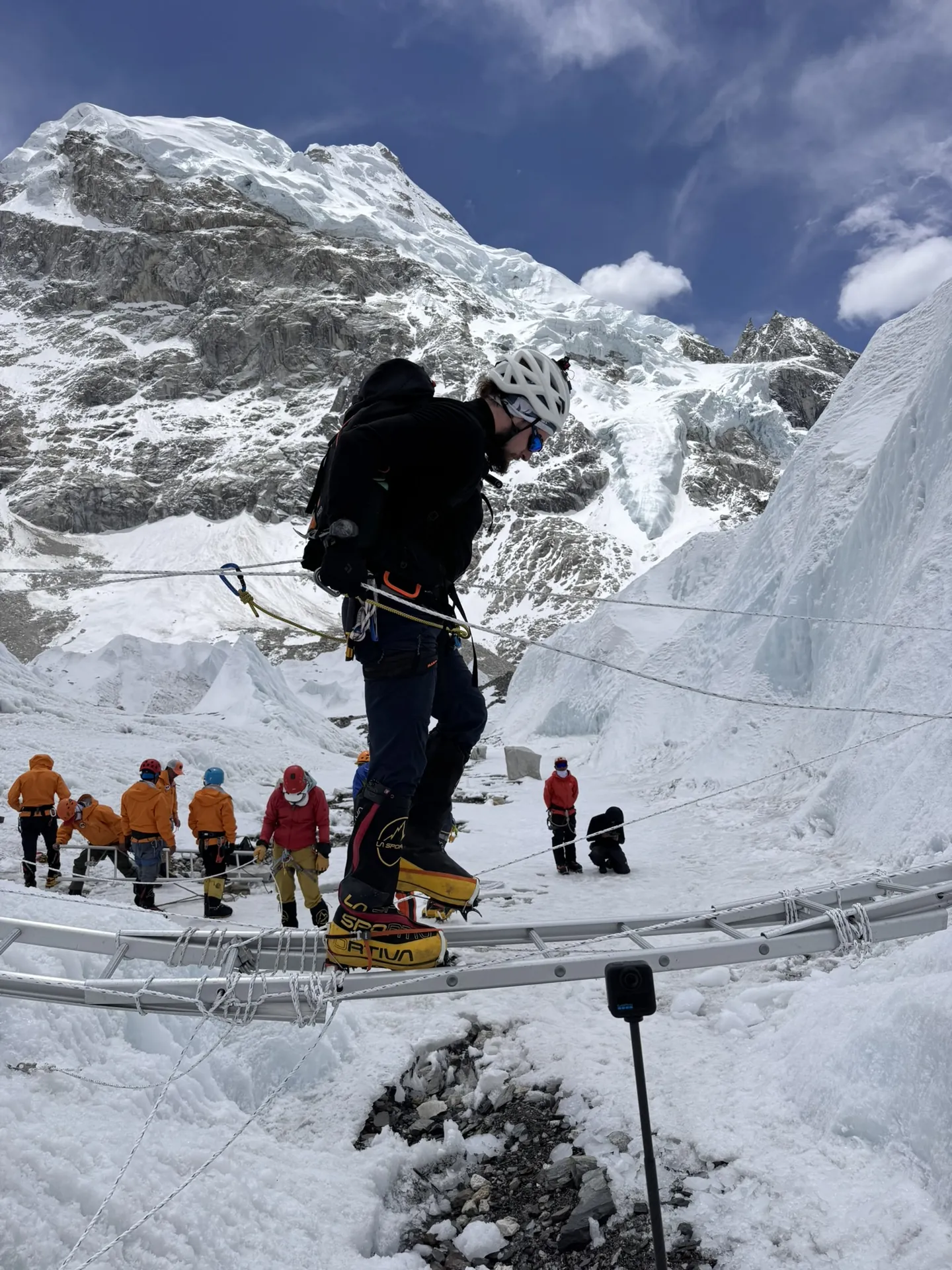
Nobody reaches the top of Everest alone. Sherpa communities have shaped the story of Himalayan climbing for generations, and a dedicated Sherpa team fixes the route ahead of every climber. The icefall, the ladders, and the ropes exist because skilled people did that work first, in cold and dangerous conditions that most visitors only glimpse. You can read how that partnership played out in Ireland’s historic Everest summit in 2026.
We hold ourselves to written standards here, set out in our ethical expedition standard, our porter welfare and ethical trekking policy and our policy on the employment of porters. Gratitude is part of resilience. When you remember how many people stand behind each step you take, your own struggle sits in better proportion. That perspective is steadying, and it keeps the climb honest.
Calm Starts With Kit You Trust
A climber who doubts a boot or a sleeping bag spends mental energy that belongs elsewhere. Read our advice on choosing mountaineering boots, selecting crampons, choosing an ice axe and understanding sleeping bag temperature ratings. Our essential mountaineering gear guide ties it together.
Key Takeaways
- Make your critical decisions at Base Camp, not in the death zone. Agree on turnaround rules early and honor them.
- Accept support. A Sherpa beside you and a leader who watches you closely are part of the plan.
- Treat waiting and rest as skills. The long middle of the expedition tests patience more than strength.
- Practice calm. Find the pause, take one task at a time and name your fear out loud.
- Train in discomfort and test every piece of kit before you leave.
- Report distress early. Honest communication is a safety tool.
Conclusion
Everest does not reward the loudest or the fastest. It rewards people who stay steady while conditions try to pull them apart, and who know when the sensible choice is also the hard one. You do not need to be fearless. You need to be prepared, honest, present, and willing to let the mountain set the pace.
Standing on top is only half the climb, and my reflections on the art of descent are a good reminder of that. Some people come to Everest to reach a summit. Many leave having learned how they think when everything is stripped away, and that is knowledge you carry home long after the cold has left your fingers.